Beyond 2030: President Ruto Outlines Plan for New Economic Blueprint
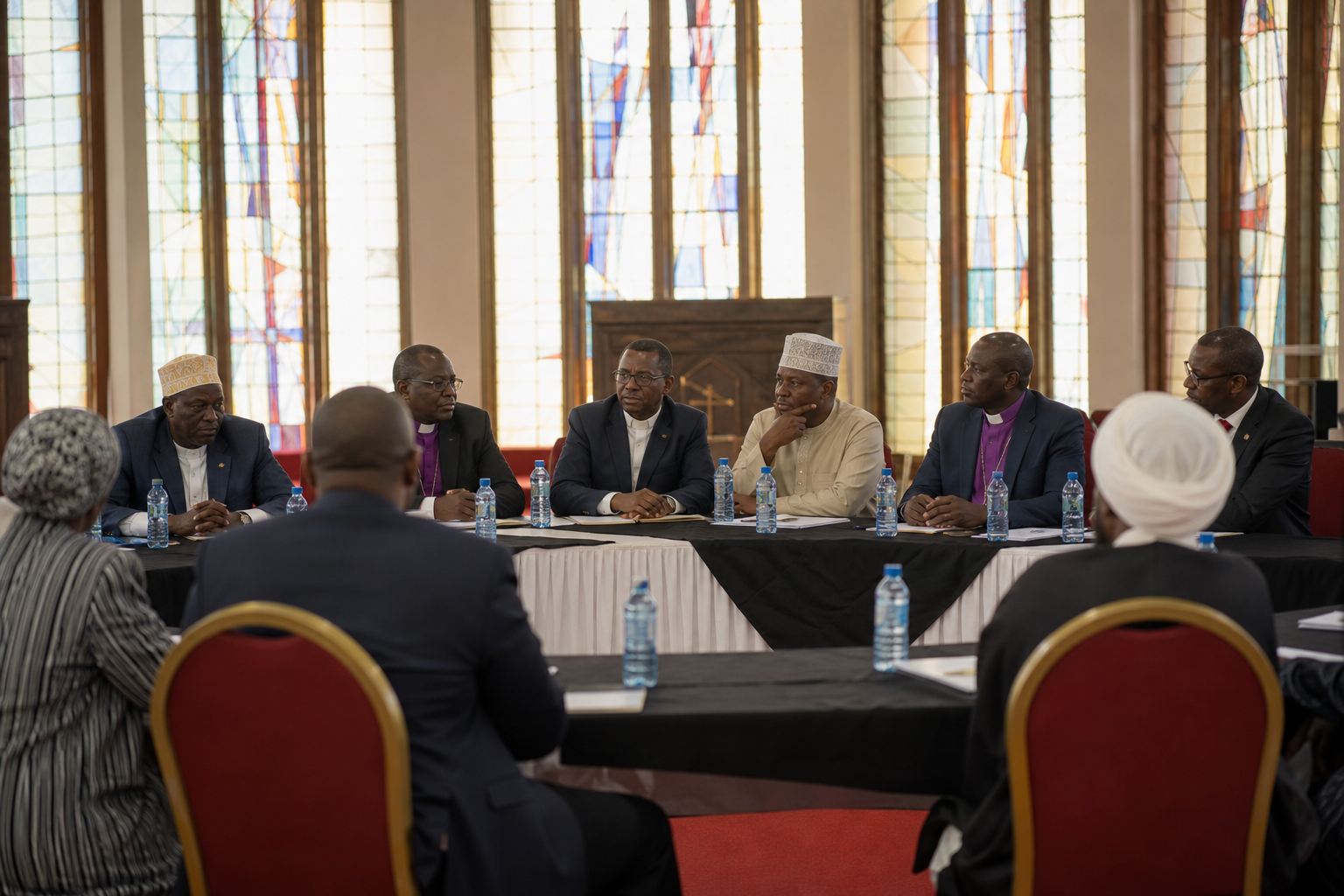
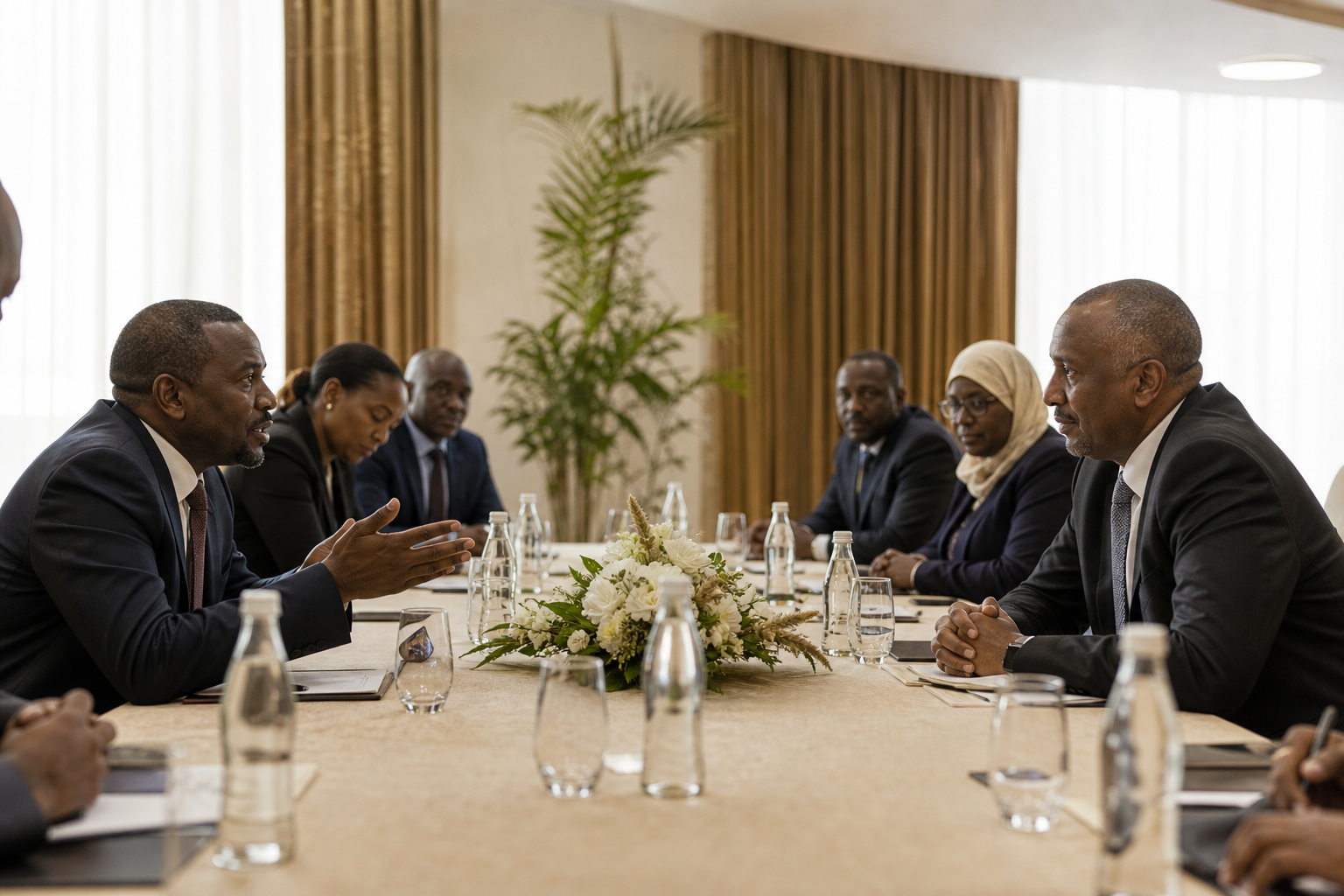
President William Ruto has outlined the consultation framework for Kenya's post-2030 economic strategy, urging civil and religious leaders to join the planning process.
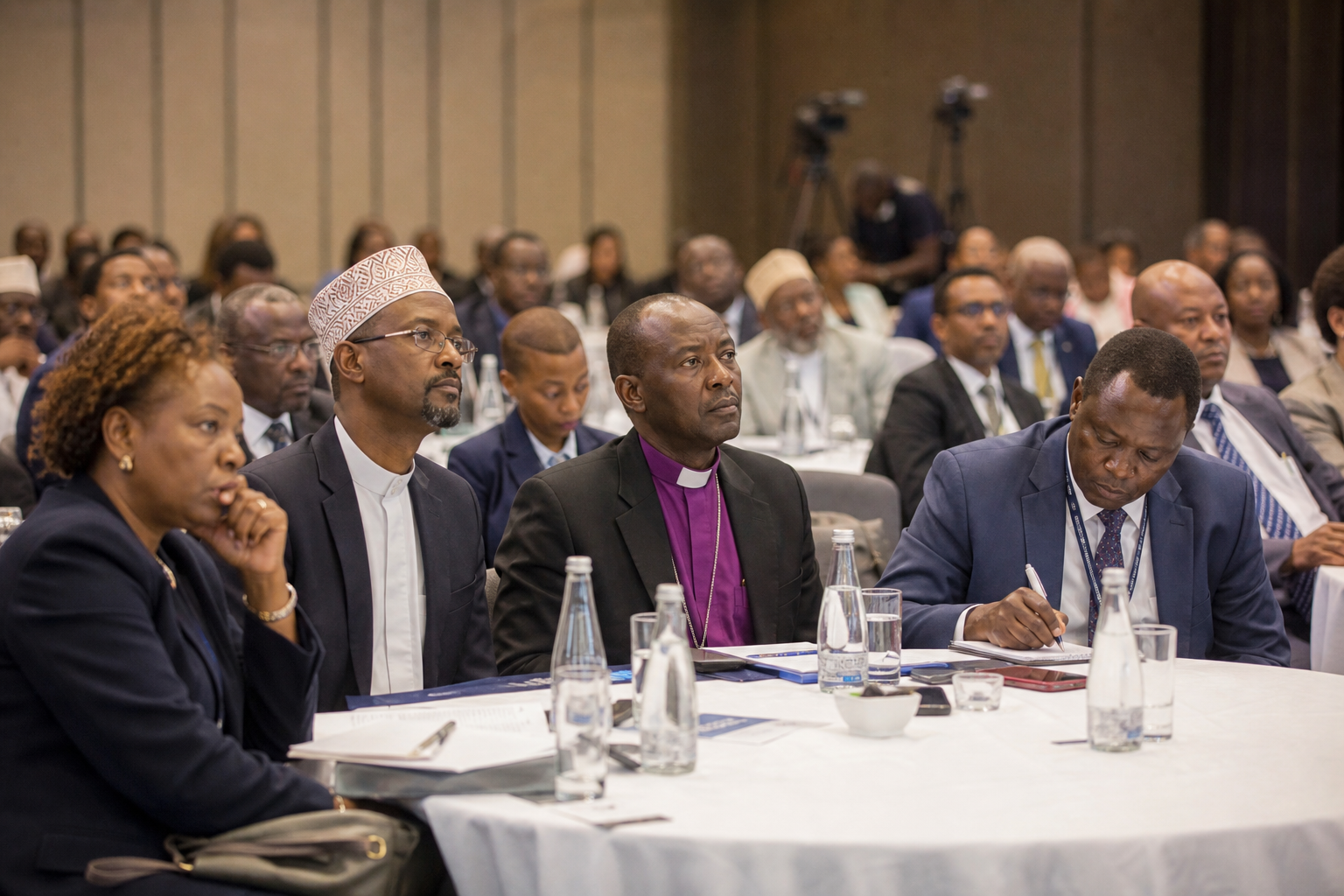
President William Ruto has called on stakeholders, including the church, to help shape the design and implementation of Kenya's next economic blueprint to guide national development beyond 2030.
Speaking as the country prepares its long-term strategy, the President outlined an inclusive approach aimed at securing sustainable growth. The initiative seeks to build on existing structural reforms while addressing core productivity challenges across key economic sectors.
The announcement comes as policymakers focus on establishing a broad consensus for future national goals, balancing public sector delivery with private investment to support long-term economic stability.
What Happened?
President Ruto has asked religious institutions and other civil society groups to actively participate in formulating the nation's post-2030 economic framework.
The planned framework is intended to succeed current development milestones, establishing new priorities for infrastructure, digital transformation, and social investment. By engaging a broad range of domestic stakeholders, the administration aims to build widespread backing for the proposed economic policies.
Government officials expect the new plan to address structural bottlenecks while reinforcing regional competitiveness across East Africa.
Why It Matters?
Kenya faces a changing economic landscape where long-term strategy directly influences investor confidence and fiscal planning.
Clear planning is also vital for the private sector. Citizen Digital reported that domestic business leaders have warned that a growing trust deficit is increasing the cost of doing business across the country, making institutional transparency essential for future growth.
Furthermore, regional dynamics remain a crucial factor. Reporting by The EastAfrican highlights how Kenya and Tanzania are competing to become East Africa's primary economic gateway, increasing the urgency for Kenya to maintain competitive infrastructure and trade policies.
How Markets Respond?
Despite broader economic debates, key corporate sectors continue to demonstrate underlying resilience.
Ensuring that future policies support capital markets while maintaining fiscal discipline will be central to keeping Kenya attractive to international and local investors.
What Changes Now?
The administration plans to commence formal consultations to gather submissions from the public, private, and institutional sectors.
These inputs will be integrated into technical drafting stages before the blueprint is submitted for policy validation. The strategy will focus heavily on fiscal sustainability, job creation, and economic resilience.
Earlier national initiatives, including broad-based government consultations and regional infrastructure projects, will serve as reference points for the upcoming technical frameworks.
What Comes Next?
The government is expected to release timelines for consultative forums and sectoral draft reviews over the coming months.
Policy experts and business leaders will evaluate the proposals to ensure they offer actionable solutions to economic pressure points.
M360 News will track the development of the economic blueprint, reporting on key policy proposals, stakeholder responses, and their long-term implications for the Kenyan economy.