A Long-Overdue Shift: Why Maternal Mental Health Is Finally Getting Global Attention
Public health experts say the growing focus on maternal mental well-being is a critical, long-overdue evolution in healthcare systems worldwide.
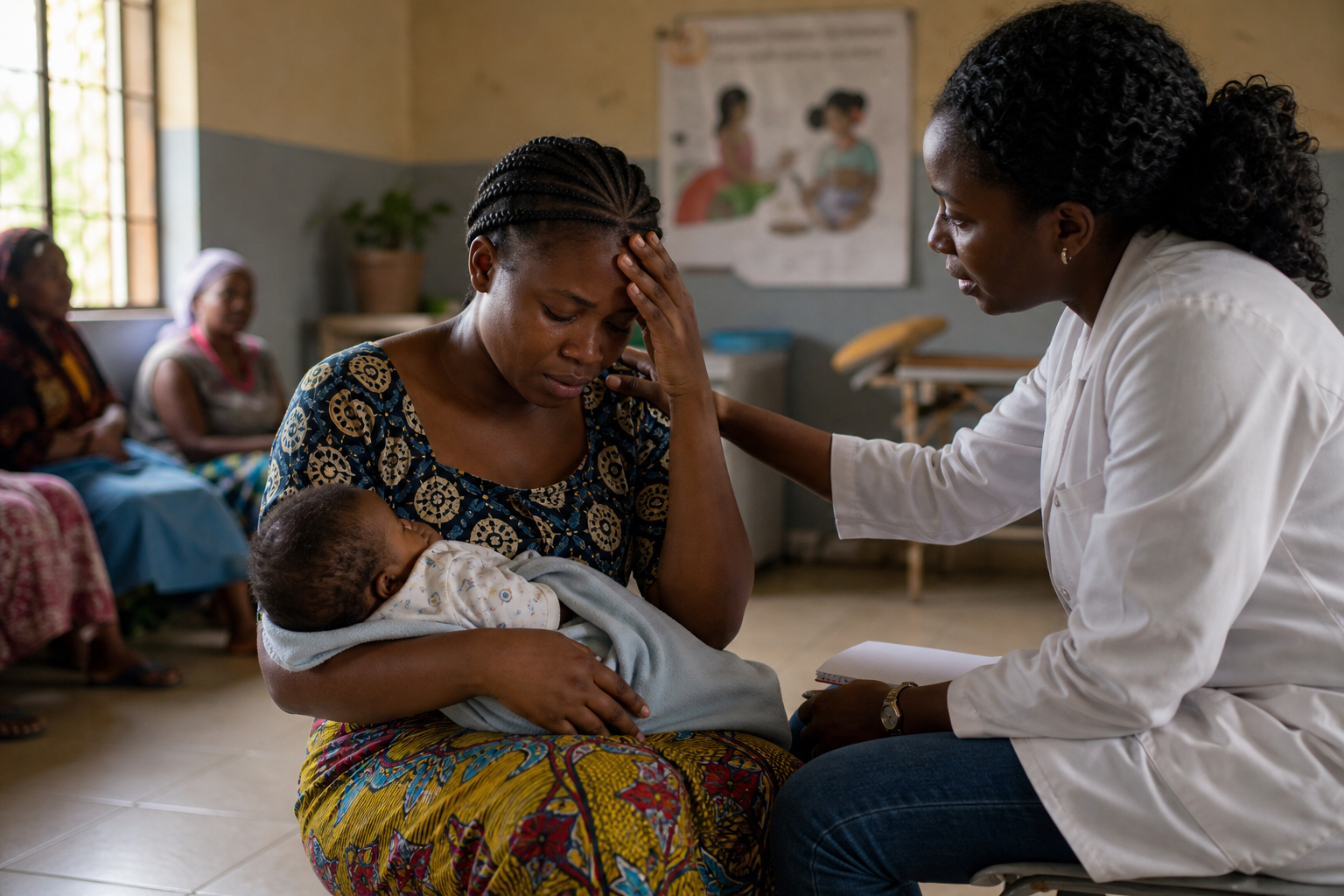
A growing recognition of maternal mental health is transforming public health conversations worldwide. Medical professionals and global healthcare advocates report that psychological well-being during and after pregnancy is finally receiving dedicated focus, a shift they describe as essential for family outcomes and broader societal health. The heightened visibility comes as maternal health programs increasingly integrate psychological support alongside routine clinical services. For decades, traditional maternal healthcare focused primarily on physical markers, including obstetric care, nutritional monitoring, and routine post-natal check-ups. However, public health specialists stress that emotional and psychological conditions such as post-partum depression, anxiety, and severe stress represent significant clinical burdens that require equal priority. Global healthcare organisations, including the World Health Organization, have consistently urged health systems to embed mental health screening directly into primary maternal care. The aim is to identify early signs of psychological distress before they escalate into long-term medical challenges for mothers and infants. ## Why now? The expanded focus on maternal mental wellness reflects a broader re-evaluation of post-natal care standards across both emerging and developed economies. Public health experts note that untreated maternal mental conditions can severely impair infant bonding, early child development, and family stability. In Kenya, structural partnerships demonstrate how healthcare providers are expanding their scope of care. Collaborative efforts between local institutions and international health bodies, such as the Ministry of Health partnership with organizations like Jhpiego, highlight a unified push to strengthen overall maternal and newborn health systems. Clinicians emphasize that integrated care models, which treat mental health as a core component of reproductive medicine, significantly improve clinical outcomes. Despite this progress, significant barriers remain in expanding access to psychological services. Primary care facilities in many developing health systems face shortages of trained mental health personnel, leaving routine screening under-resourced. ## What comes next? Public health advocates continue to call for increased budgetary allocation, workforce training, and community-level interventions to normalise psychological care during pregnancy. As awareness expands through public discussions and news reporting, as highlighted in reports by CNN, experts maintain that sustaining momentum will require institutionalizing mental healthcare as a standard, non-negotiable part of universal maternal healthcare protocols worldwide.