The Legal Architecture: How Global Climate Commitments Actually Function
Global climate pledges rely on complex legal frameworks, carbon markets and domestic laws, yet execution gaps continue to stall meaningful progress.
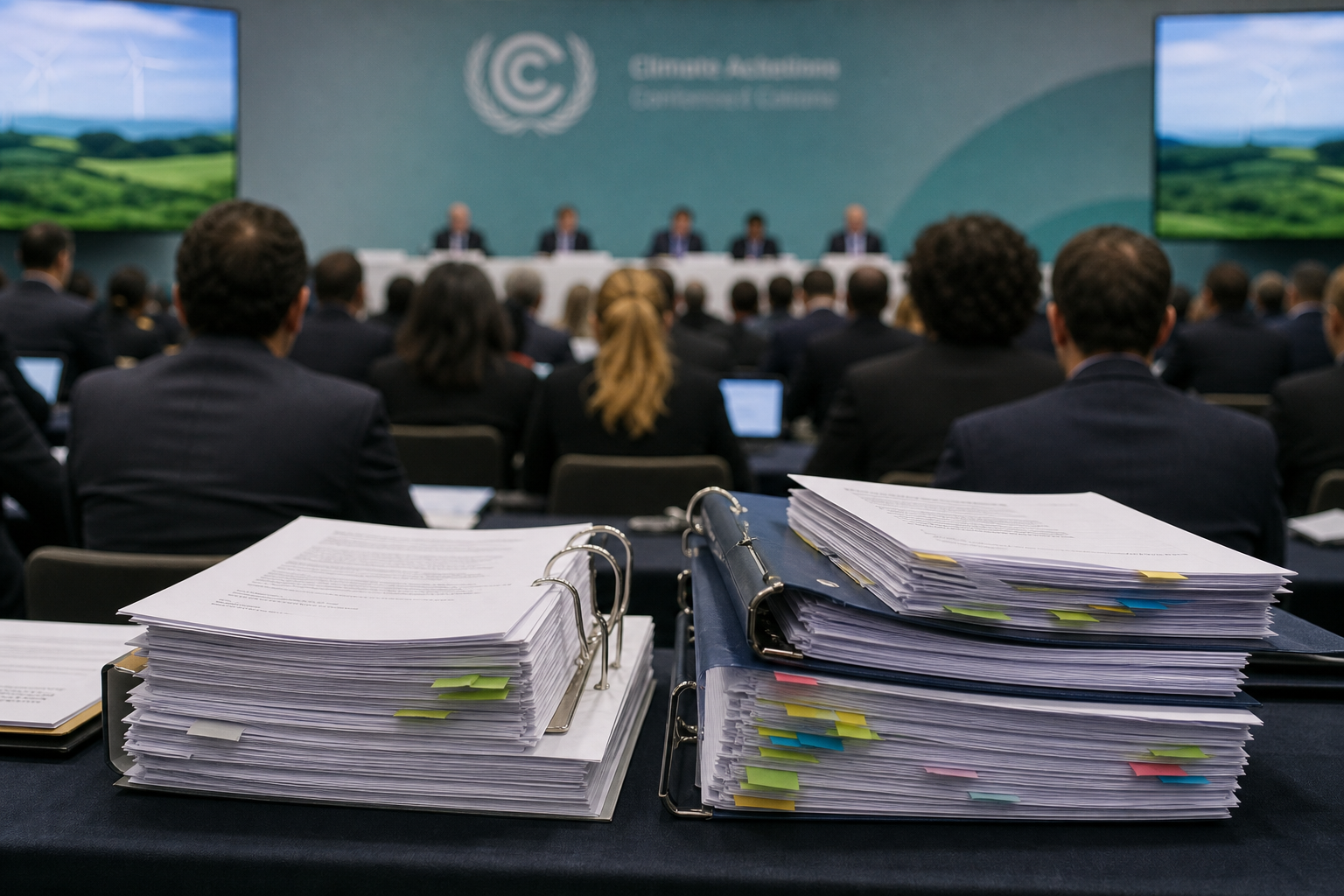
Global climate governance relies on a complex mesh of international treaties, domestic legislation, carbon trading structures and statutory reporting frameworks designed to turn high-level pledges into measurable emission reductions. While nations gather annually under the United Nations Framework Convention on Climate Change (UNFCCC) process to refine commitments, the functional success of these targets depends entirely on domestic implementation, legal enforcement mechanisms and dedicated financing channels.
International commitments, such as those made under the 2015 Paris Agreement, operate through Nationally Determined Contributions (NDCs). These are self-defined climate targets that member states are required to submit and update every five years. The legally binding core of this system requires countries to report transparently on their progress, even if the specific emission reduction targets themselves lack international punitive enforcement mechanisms.
To turn policy commitments into operational reality, governments rely on domestic legislation that establishes legal carbon budgets, mandates renewable energy quotas and sets statutory net-zero targets. In developing regions, including East Africa, these commitments are heavily tied to international climate finance mechanisms, where execution depends on capital transfers from historic emitters to fund adaptation and mitigation projects.
How Commitments Work?
The foundation of modern climate implementation rests on nationally enacted legislation that binds state agencies to specific emission pathways. Statutory targets force ministries of energy, transport and agriculture to align long-term planning with national decarbonisation goals. Without domestic legal frameworks, international pledges remain politically voluntary and vulnerable to shifts in government.
Alongside statutory mandates, financial architectures play a central role in driving transition efforts. Mechanism design relies on carbon pricing, which assigns a financial cost to greenhouse gas emissions through direct carbon taxes or cap-and-trade systems. In cap-and-trade markets, regulatory authorities set an overall limit on emissions and issue tradable allowances, creating a financial incentive for industrial emitters to reduce output or purchase excess permits from lower-emitting entities.
Why Delivery Lags?
A significant gap persists between international commitments and real-world implementation. A primary driver of this implementation deficit is the mismatch between political target setting and the institutional capacity required for execution. Public policy frameworks often lack clear enforcement tools, technical monitoring capabilities or adequate budget allocations to implement green technology deployments at scale.
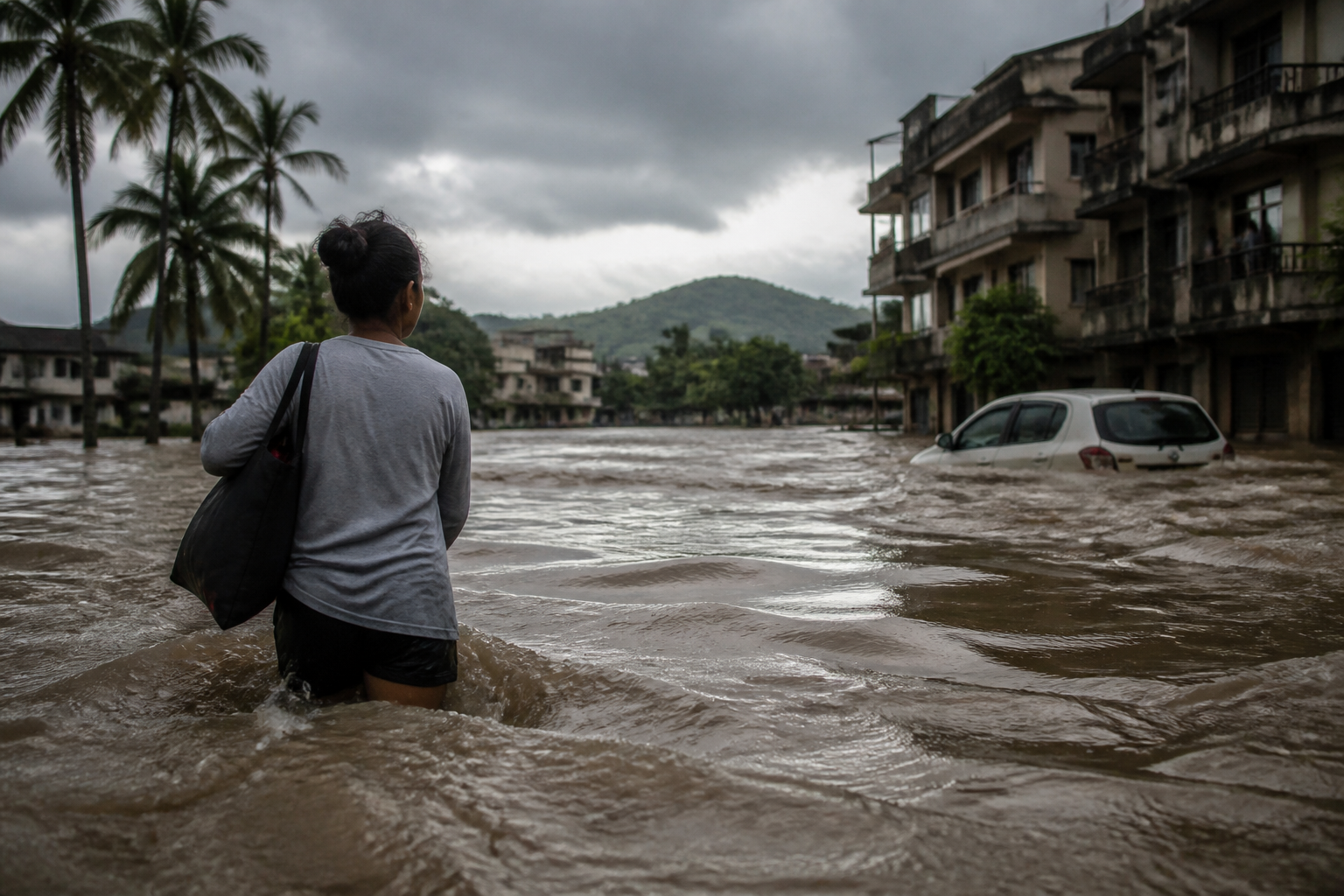
In developing nations, implementation gaps are frequently compounded by unpredictable funding mechanisms. Mitigation and adaptation targets outlined in regional NDCs are often explicit about being conditional on receiving external financial support. When international adaptation funds or multilateral transfers fall short of pledged levels, statutory national plans stall, leaving vulnerable communities exposed to compounding weather extremes.
Environmental and economic disruptions further illustrate the connected nature of regional resource pressures. Climate change, biodiversity loss, land degradation and natural disasters form interconnected challenges that require unified institutional responses, as highlighted in analysis published by the United Nations University. When policy frameworks address these areas in isolation, interventions often fail to achieve sustained systemic impact.
Who Pays The Price?
The economic and human consequences of the implementation gap fall disproportionately on vulnerable populations and agricultural communities. Severe climate anomalies directly disrupt regional food security, straining national reserves and emergency infrastructure. Countries across East Africa face prolonged food insecurity as erratic weather patterns and recurring climate oscillations disrupt agricultural cycles, according to reporting by The EastAfrican.
The societal burden of delayed climate adaptation is further felt at the community level, where structural inequalities compound environmental shocks.
When domestic adaptation infrastructure fails to materialise, regional economies face severe financial drains, diverting national revenue toward immediate disaster relief rather than long-term economic development.
What Changes Now?
To bridge the gap between promises and implementation, international governance mechanisms are shifting toward stricter accountability tools and standardised carbon accounting protocols. Global reporting frameworks are increasingly integrating rigorous carbon disclosure rules to prevent double-counting of emission reductions and ensure that private sector transition claims match audited metrics.
Multilateral bodies are also focusing on integrated policy designs that combine land management, disaster preparedness and biodiversity protection into single national strategies. By treating environmental management as a unified discipline, governments aim to maximize the economic efficiency of climate adaptation spending.
What Comes Next?
The focus of global climate policy is rapidly moving from negotiating new targets to auditing operational delivery. Future international summits will evaluate nations based on verified emission trajectories rather than future target declarations.
For emerging economies, securing predictable, low-interest climate finance remains the essential prerequisite for closing national implementation gaps. Unless statutory frameworks are paired with accessible global capital and institutional enforcement, international pledges will continue to lag behind actual environmental pressures.
The coming decade will determine whether legal mandates, carbon market instruments and international finance mechanisms can deliver the operational scale necessary to align global emissions with stated targets.