The Atmospheric Shift: Why Destructive Floods Are Intensifying Across Nations
Rising global temperatures and degraded natural ecosystems are amplifying atmospheric moisture, transforming routine storms into catastrophic flooding events that threaten communities and infrastructure.
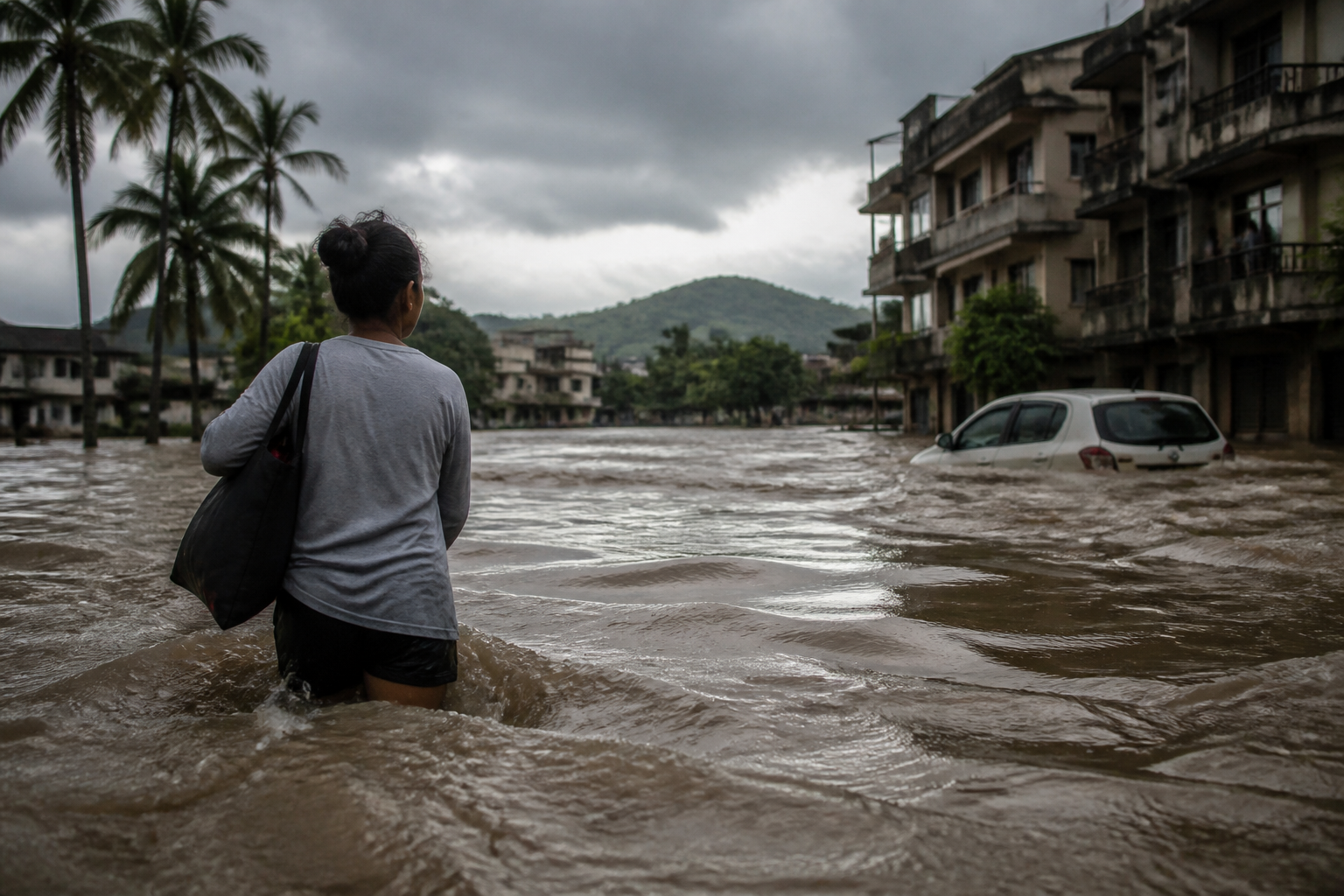
A fundamental atmospheric shift is transforming standard weather patterns into destructive flooding events across the United States.
As atmospheric temperatures rise, the air gains the capacity to hold significantly more moisture. This basic thermodynamic principle creates an environment where storm systems draw up vast reserves of water vapour before releasing it in sudden, overwhelming deluges. The resulting inundations frequently overpower physical infrastructure designed for a previous climate era.
While localized storms historically produced predictable seasonal overflows, modern rainfall events are increasingly characterized by high-intensity moisture drops. These atmospheric dynamics, combined with changing surface conditions, mean that communities far removed from traditional coastal or riverine flood zones now face elevated risks of flash flooding.
Why Are Floods Intensifying?
The mechanics behind the surge in destructive flooding extend beyond heavy rain. According to analysis on systemic environmental connections from the United Nations University, climate shifts, land degradation, biodiversity loss, and disaster risks operate as an interconnected web rather than isolated phenomena.
When extreme rainfall strikes land that has been degraded, deforested, or heavily paved through urban expansion, the natural absorption capacity of the soil is severely compromised. Instead of soaking into the ground to replenish subterranean aquifers, rainwater acts as surface runoff, rapidly filling drainage channels, rivers, and low-lying urban sectors.
The environmental feedback loop intensifies as surface disruption accelerates. Intact ecosystems, such as wetlands and natural forests, act as sponge-like buffers that slow the velocity of water flow. When these natural defenses are removed or degraded, even moderate increases in atmospheric moisture release translate into catastrophic surface water surges.
What Are The Global Lessons?
The environmental mechanisms causing severe flooding in the United States parallel climate pressures emerging globally, particularly across vulnerable regions in Africa.
In East Africa, shifting weather patterns continue to disrupt agricultural stability and community safety. Regional environmental developments highlighted by The EastAfrican show how recurring shifts like El Niño threaten to trigger prolonged food crises due to alternating extremes of severe drought and intense flooding.
Similarly, local interventions demonstrate growing recognition of the need for coordinated land and climate management.
These initiatives mirror the global consensus articulated by the United Nations University: disaster mitigation efforts cannot treat atmospheric science, land use, and biodiversity protection as separate fields. Effective flood prevention requires managing the entire landscape along with the atmosphere above it.
What Impact Does Infrastructure Face?
Much of the civil infrastructure across major economies was constructed using historical weather averages that no longer reflect current realities. Stormwater drainage networks, culverts, and flood levees built decades ago were sized for lower rainfall volumes and less intense storm events.
When atmospheric systems release extreme volumes of water over short durations, standard municipal drainage systems are quickly overwhelmed. The economic toll extends beyond immediate property damage, affecting critical transport corridors, energy grids, and agricultural production zones.
Financial exposure is also escalating. Insurance systems and public disaster recovery funds are facing unprecedented pressure as claims from non-traditional flood zones increase. The cost of upgrading physical infrastructure to withstand higher volume thresholds runs into hundreds of billions of dollars globally.
What Happens Next?
Addressing the rising trajectory of flood destruction requires integrating atmospheric data into urban planning and ecosystem restoration. Engineers and planners are increasingly turning to green infrastructure projects, such as urban wetland restoration and permeable paving, to assist aging concrete infrastructure.
Governments and international bodies are expected to tighten land-use regulations in high-risk zones while expanding early-warning monitoring networks. As atmospheric moisture levels continue to reflect global temperature trends, the focus is shifting from simple disaster response toward structural adaptation and natural ecosystem recovery.