Cheaper Inputs Promised: How Ruto’s Agricultural Subsidies Impact Food Prices
The government’s decision to slash maize seed prices by 50 per cent and slice KSh 500 off fertiliser costs aims to ease farm production expenses, but the long-term impact on retail food prices depends on market distribution and yield outcomes.
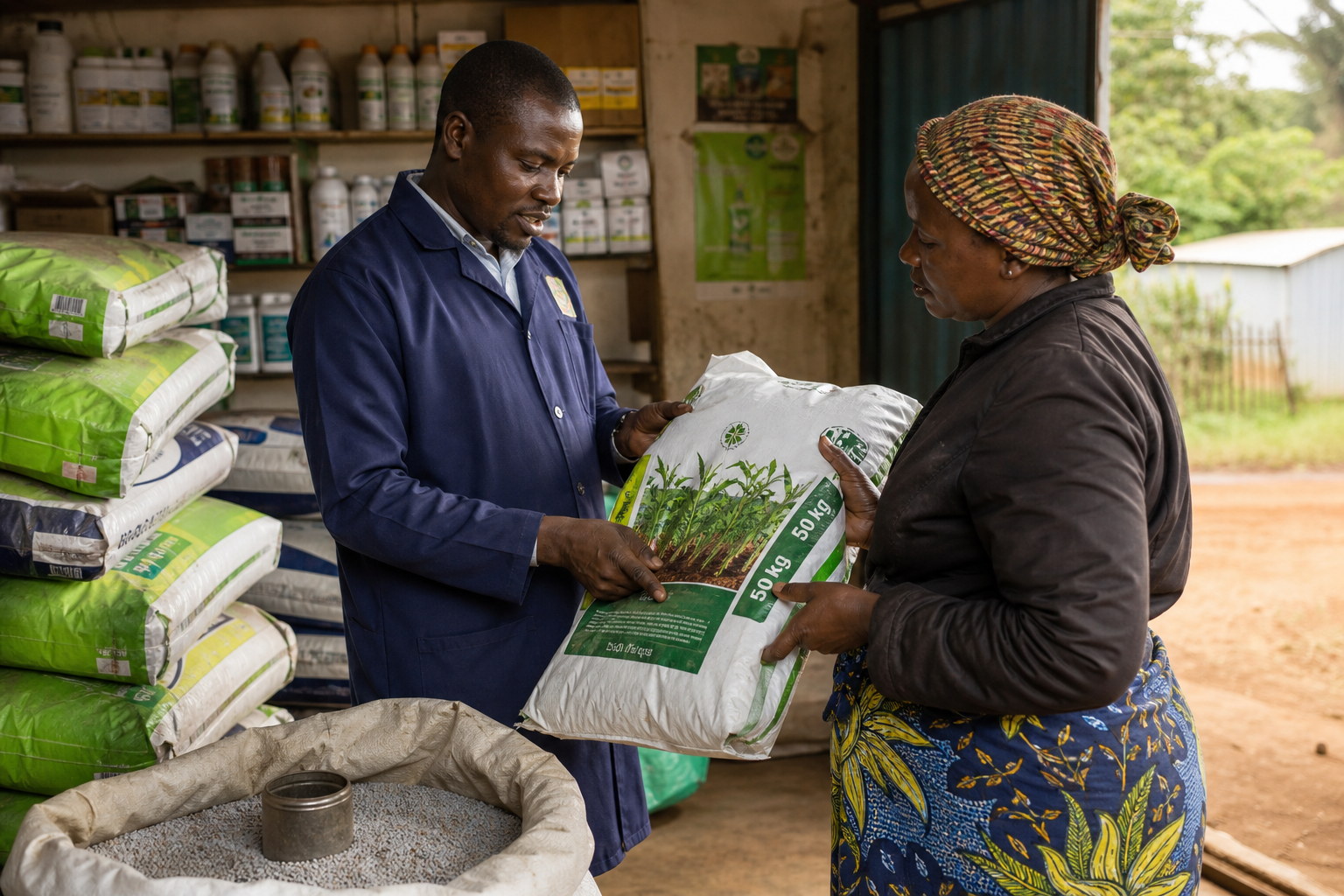
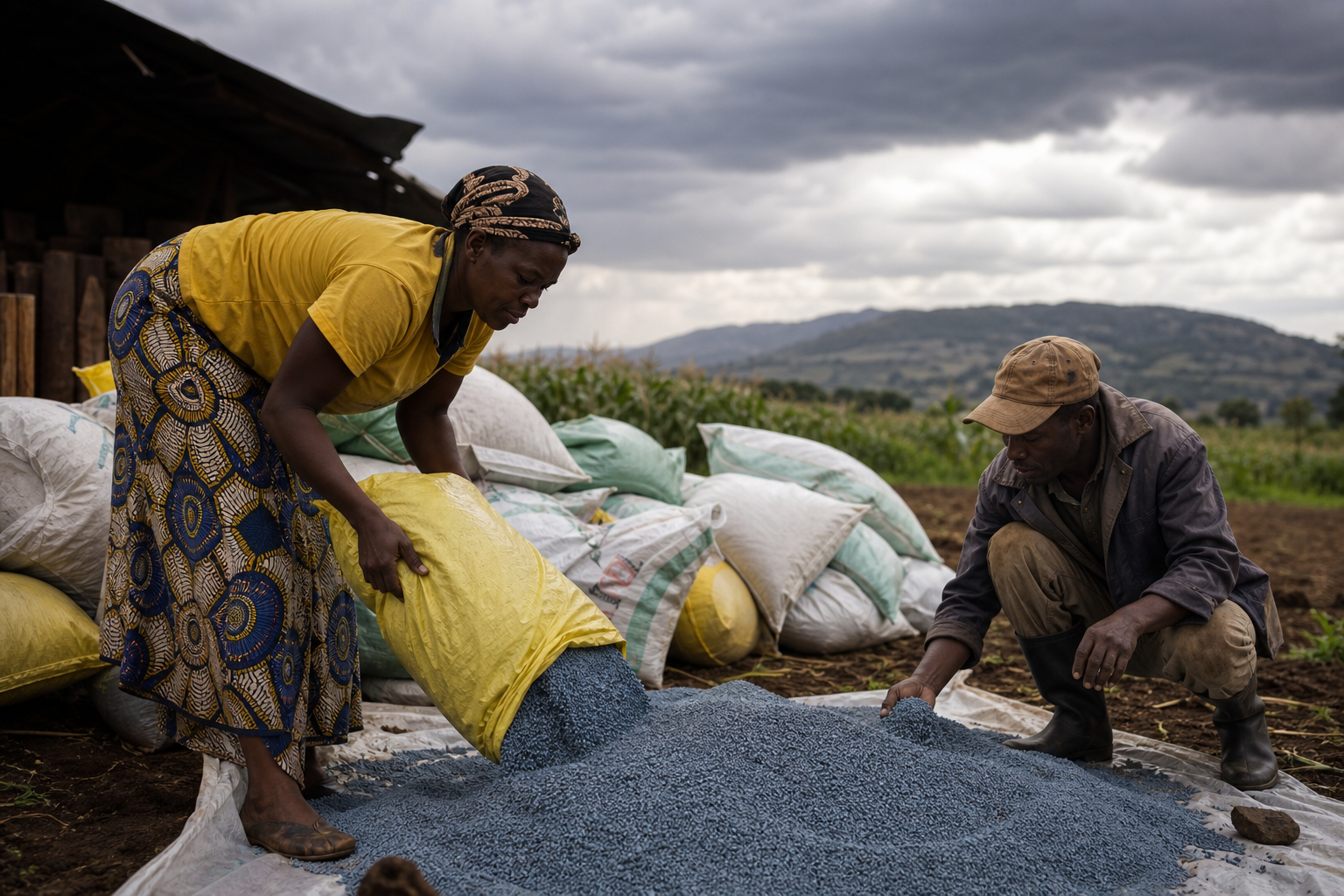
The government has stepped up direct intervention in the agricultural sector, offering a 50 per cent price reduction on certified maize seeds alongside an additional KSh 500 price cut per bag of fertiliser.
Speaking at a church on Sunday, August 23, President William Ruto urged growers across the country to capitalize on anticipated heavy rainfall to boost crop yields. The measures are intended to lower production costs for primary food producers and ultimately suppress consumer food inflation.
The state intervention addresses input cost pressures that have historically elevated market prices for household staples, particularly unga (maize flour). While the direct savings provide immediate relief for household farming budgets, market analysts examine how state subsidies affect retail food pricing, farm output economics, and wider commercial distribution networks.
Will inputs lower prices?
Input costs represent one of the largest expenditure categories for smallholder farmers. By halving seed expenses and discounting fertiliser by a further KSh 500 ($3.86), the state aims to alter the economic dynamics of crop production.
An official report published by KBC details the price reduction on certified maize seeds alongside the KSh 500 fertiliser reduction. Lowering production costs gives growers capacity to increase planting density and expand acreage.
If reduced input expenses translate to higher harvest volumes, increased supply can exert downward pressure on wholesale grain markets. Lower farm gate prices typically flow through to consumers via lower retail prices for maize meal, providing budget relief for urban households facing broader cost-of-living challenges.
Do subsidies distort markets?
While lower costs support primary producers, sustained state price interventions carry structural economic risks. Artificially low input pricing can alter commercial supply chains and create market imbalances if distribution mechanisms fail to match actual farm demand.
Subsidised pricing structures can reduce commercial agro-dealer margins if state supply chains bypass traditional private-sector distribution networks. Large-scale subsidy programmes also place recurring demands on state fiscal reserves, requiring consistent funding allocations to prevent supply shortages during peak planting seasons.
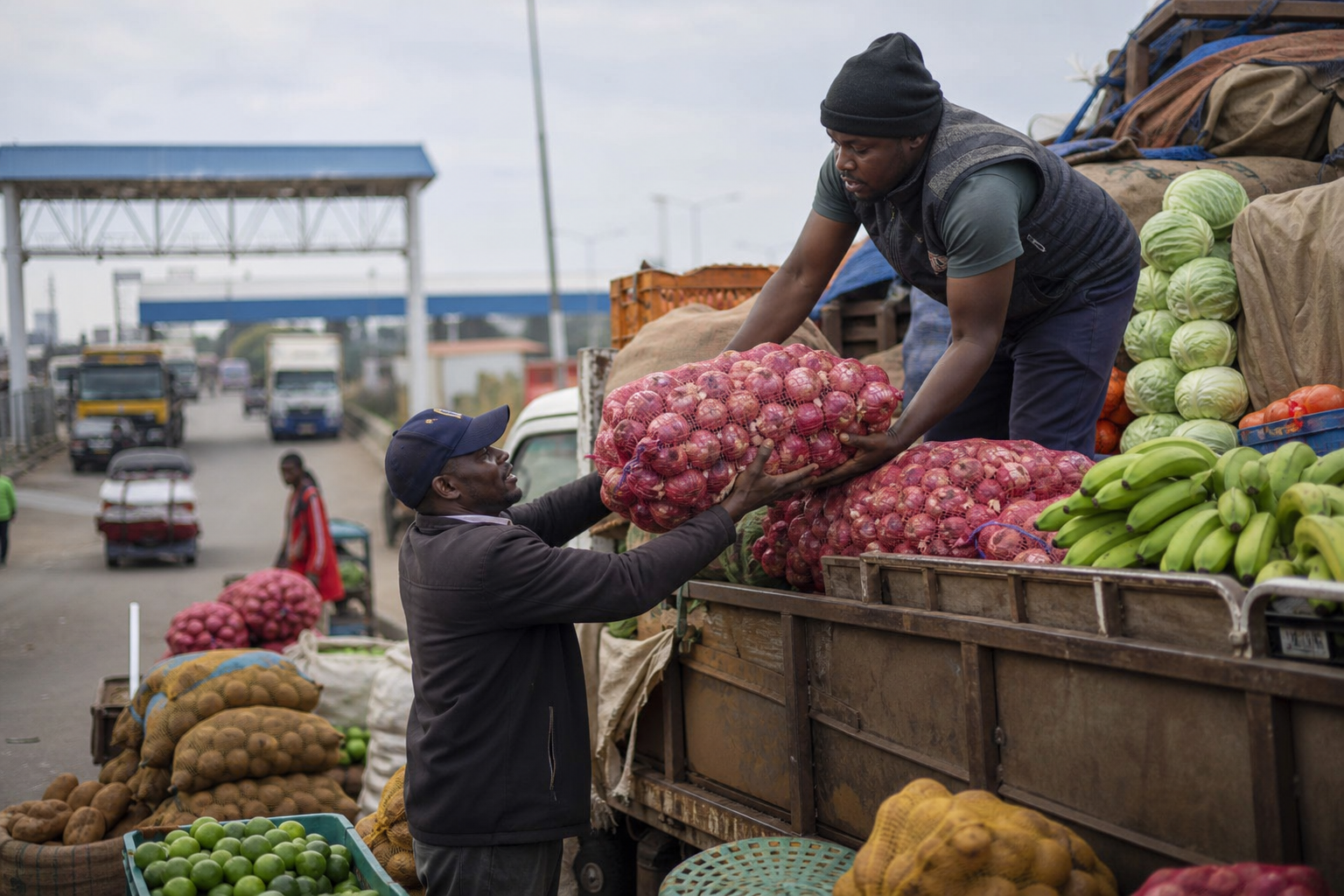
Furthermore, price reductions at the input stage do not automatically guarantee cheaper food for final consumers. Aggregate crop yields remain susceptible to post-harvest losses, transport logistics costs, middleman trading margins, and global fuel price fluctuations, all of which can erode initial farm-level savings before produce reaches urban markets.
How do farmers benefit?
For agricultural households operating on tight profit margins, direct input discounts provide immediate liquidity management relief. Reducing initial capital demands allows growers to allocate financial resources toward field preparation, pest control, and seasonal labour.
By pairing input discounts with weather forecasts predicting heavy rainfall, the government aims to maximise total seasonal yields. High agricultural output increases farm earnings, strengthening rural economies and enhancing household financial security.
The long-term economic effectiveness of the intervention depends on operational efficiency. Timely distribution of subsidised seeds and fertiliser to local depots will determine whether smallholder growers can fully utilize the price cuts during active planting windows.
What happens next?
County agricultural departments and national distribution agencies are tasked with overseeing input allocation to prevent bottlenecks and ensure rural growers access the discounted supplies.
Market monitors will track seasonal planting figures, input absorption rates, and eventual harvest output to measure the programme's actual effect on national grain reserves.
Retail food price trends in late 2026 will serve as the primary indicator of whether early-stage production subsidies successfully stabilize market prices for household consumers.