Duty of Care: What School Safety Regulations Require in Kenya
Kenyan secondary schools face strict legal requirements to guarantee student safety under the Children Act and the Basic Education Act, but operational gaps in boarding institutions continue to trigger public concern.
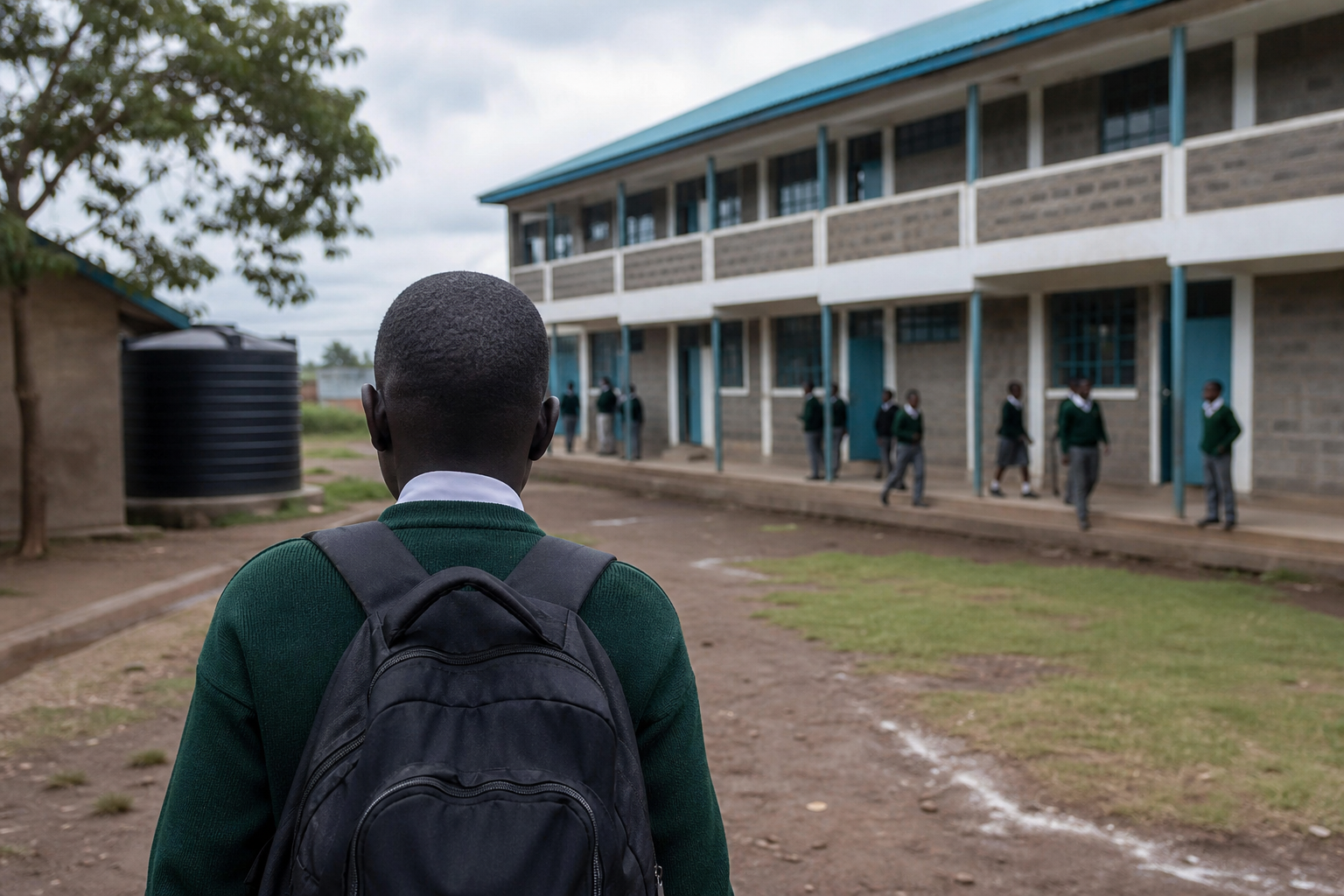
Kenyan secondary schools operate under statutory legal obligations designed to protect learners from physical, emotional, and systemic harm. Known legally as a duty of care, school administrations assume direct responsibility for student welfare the moment a learner enters the institution. (Citizen)
Under the Basic Education Act of 2013 and guidelines set by the Ministry of Education, administrators must maintain safe physical infrastructure and establish clear administrative procedures for emergency response. These standards apply across boarders and day scholars in both public and private institutions nationwide.
Systemic failures in student welfare frequently spark public debate over compliance.
How Does the Legal Framework Function?
The legal concept of duty of care requires school managers, teachers, and administrative staff to act as a reasonable parent would to prevent foreseeable harm. The Children Act of 2022 reinforces these statutory obligations, declaring every child entitled to protection from neglect, injury, and administrative indifference within learning institutions.
Ministry guidelines outline mandatory requirements for school facilities, including secure perimeter fencing, regular health inspections, clear fire exit pathways, and supervised access to potentially hazardous areas like kitchens and laboratories.
When a safety failure occurs, legal liability can extend from civil claims against school boards to individual criminal proceedings against staff found negligent. Educational institutions must maintain functional first aid infrastructure, trained staff, and immediate transport procedures to move injured or ill students to accredited medical centers.
What Standards Govern Boarding Facilities?
Boarding institutions face strict administrative guidelines regarding student dormitories, dining areas, and sanitation utilities. Standard safety specifications mandate that dormitories remain unlocked from the inside during sleeping hours, feature outward-opening doors, and maintain clear access paths to prevent overcrowding traps during fires or structural emergencies.
Refectory and kitchen operations must comply with public health codes enforced by county health inspectors. Access to high-risk areas, including commercial water boilers and high-voltage electrical distribution panels, must remain restricted to authorized personnel.
Despite clear regulatory definitions, compliance audits often expose operational gaps. Schools struggling with limited operational budgets frequently face challenges updating aging infrastructure or retaining sufficient non-teaching safety staff, leaving learners vulnerable to preventable domestic incidents inside institutional facilities.
Who Enforces Safety Compliance in Schools?
Enforcement falls under the Quality Assurance and Standards Directorate within the Ministry of Education, working in coordination with county education boards and public health departments. Inspectors retain statutory authority to conduct unannounced visits, examine facilities, and recommend administrative penalties or school closures for non-compliant institutions.
When safety breaches occur, internal school boards of management must initiate immediate administrative reviews. Serious incidents triggering severe injury or loss of life involve the Directorate of Criminal Investigations and county security teams to establish whether criminal negligence took place.
Parents and guardians retain legal rights to demand institutional accountability through statutory administrative channels, public petitions, or civil suits targeting the National Government Boarding Schools Fund, municipal authorities, or private owners.
What Changes Are Next for School Safety?
Parliamentary committees on education continue to evaluate measures aimed at tightening oversight mechanisms within public and private schools. Proposed policy updates focus on introducing mandatory emergency response training for non-teaching personnel and strengthening funding mechanisms for safety infrastructure retrofits.
Education policy experts suggest expanding local public health reporting to ensure all minor injuries and environmental hazards inside educational facilities are logged directly with county health databases.
As public scrutiny over student welfare increases, compliance with existing legal duty-of-care frameworks remains essential to guaranteeing that Kenyan schools provide a safe learning environment.
What Happens Next?
The Ministry of Education is scheduled to continue standard quality assurance monitoring across secondary institutions, while regional officers evaluate compliance reports from public boarding schools. Institutional management boards face mounting calls from education stakeholders to audit campus infrastructure, secure high-risk operational areas, and review emergency response procedures. Parents and legal representatives are increasingly relying on the statutory protections outlined in the Children Act of 2022 to seek formal accountability when institutional safety measures fail.