Constitutional Safeguards: How Kenyan Courts Determine Custodial Pre-Trial Detention Periods
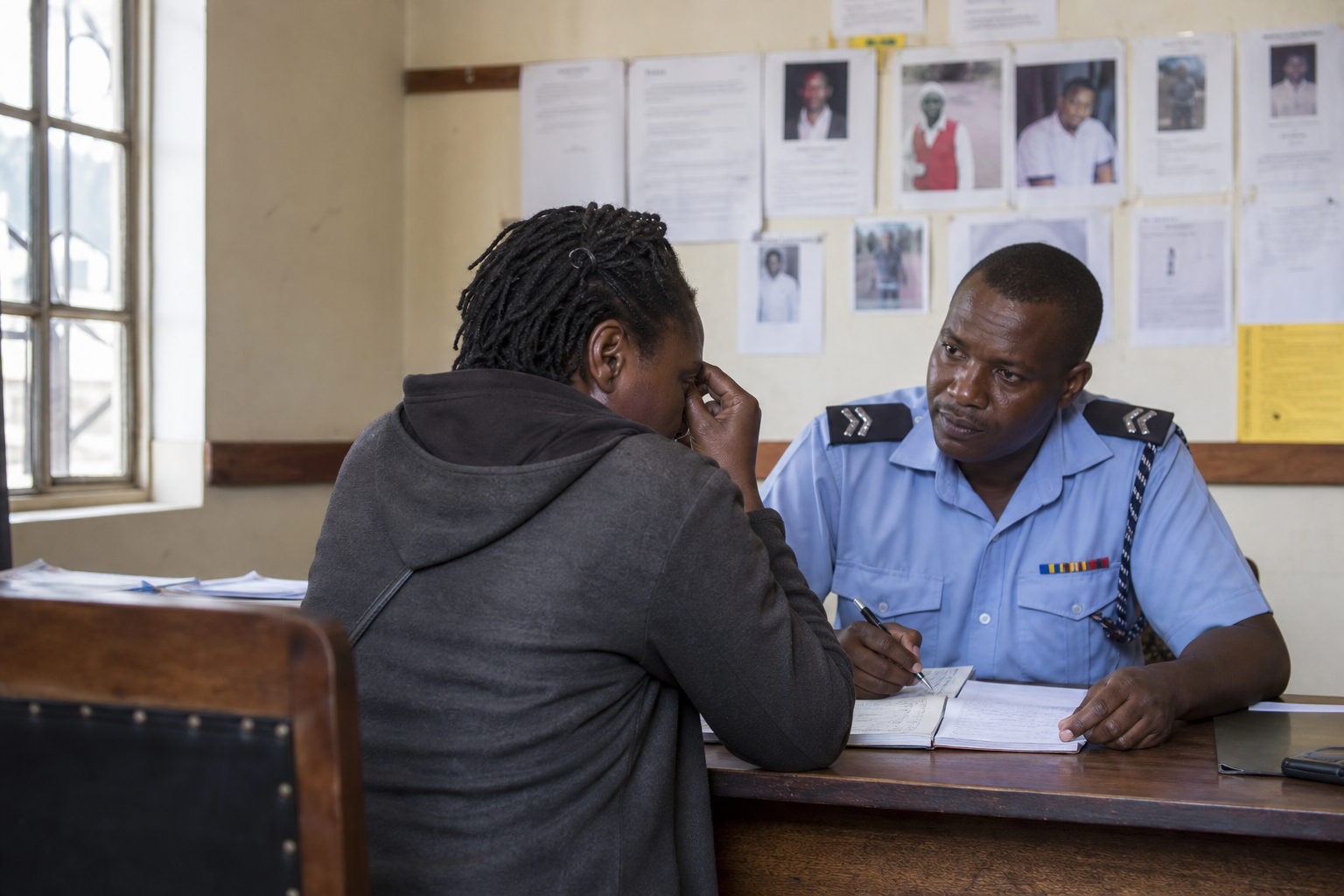
Kenyan courts operate under strict constitutional limits when granting police requests to detain suspects pending investigations, balancing public safety, human rights, and procedural justice.
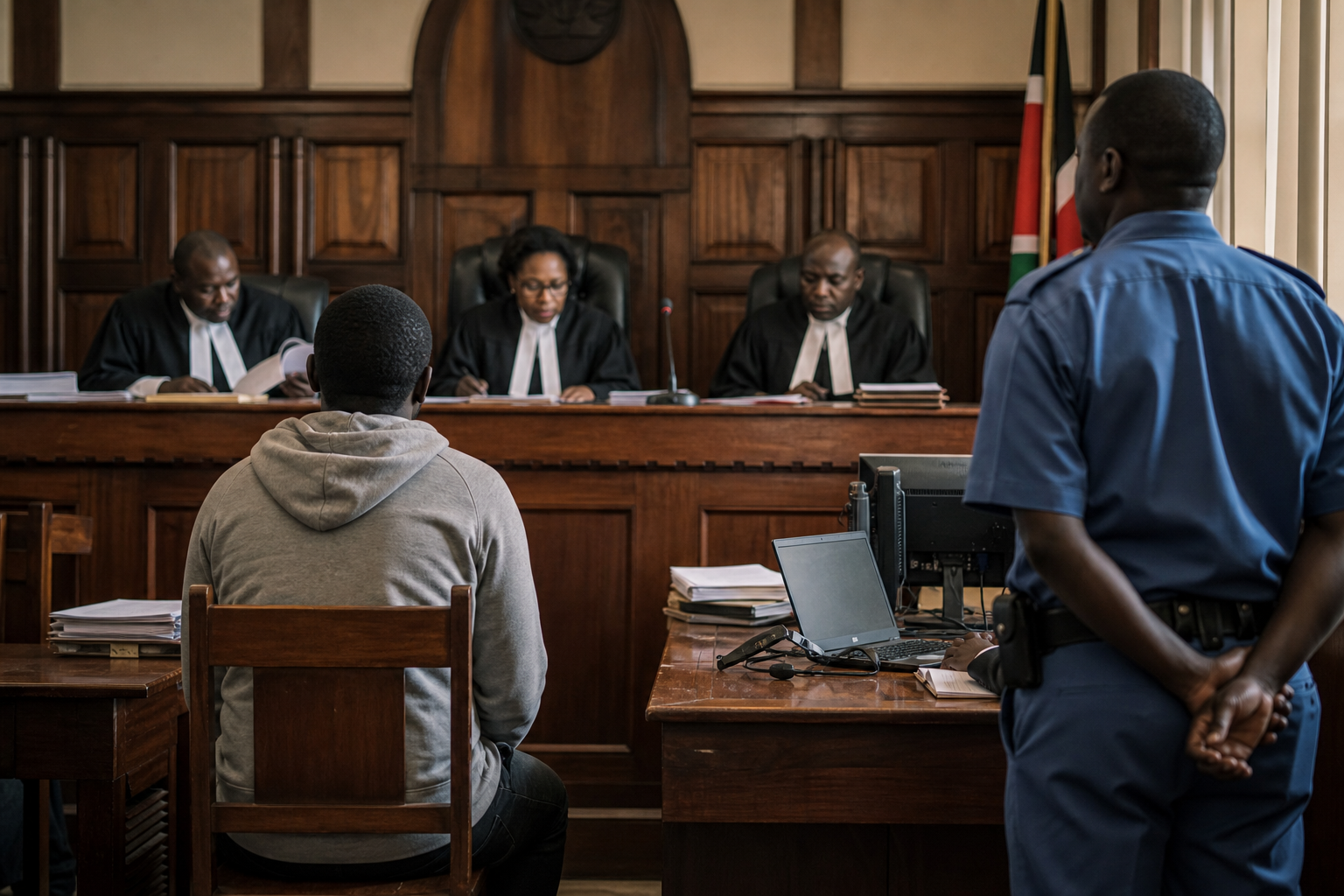
The mechanics of pre-trial custodial detention in Kenya represent a delicate balance between individual liberty guaranteed by the Constitution and the investigative requirements of law enforcement agencies. (Standardmedia)
Under the 2010 Constitution of Kenya, any person arrested for an alleged offence must be brought before a court as soon as reasonably possible, but no later than 24 hours after arrest. If the 24-hour period expires outside ordinary court hours or on a day that is not a regular court day, the suspect must be produced in court by the end of the next court day.
When investigative agencies, such as the Directorate of Criminal Investigations, require additional time to complete inquiries before formal charges are filed, they must submit a formal application to a magistrate for extended custodial detention.
Courts do not automatically grant these requests. The prosecution must demonstrate compelling reasons why holding an individual without formal charges is necessary for the administration of justice.
What Governs Custodial Limits?
Section 49 of the Kenyan Constitution establishes the fundamental right of an arrested person to be released on bond or bail on reasonable conditions, pending a trial, unless there are compelling reasons not to release them.
When police request extended detention, magistrates evaluate several legal benchmarks, including whether the suspect presents a flight risk, the risk of witness interference, the complexity of the forensic or financial investigation, and potential threats to public safety or the suspect's own protection.
During pre-trial applications, courts frequently order detention periods ranging from 7 to 30 days depending on the severity of the alleged offence and the scope of work required by investigating officers.
Courts are particularly cautious when handling cases involving vulnerable individuals, such as minors or mothers with young children. In such instances, magistrates weigh the best interests of the child against the state's interest in conducting a thorough investigation.
How Do Magistrates Decide?
The decision to grant an extension rests entirely on judicial discretion guided by statutory provisions and constitutional precedents. Investigating officers must present a sworn affidavit detailing the status of the investigation and specific outstanding tasks.
Common justifications presented by state prosecutors include waiting for forensic lab results, retrieving digital evidence, interviewing key witnesses, or verifying official documents.
If the magistrate finds that police have failed to demonstrate sufficient progress or that the requested period is disproportionate, the court may reduce the requested detention time, order immediate filing of charges, or release the suspect on cash bail or bond.
What Happens Next?
Upon the expiration of an approved detention period, state prosecutors face a strict legal timeline. They must either formally present a charge sheet and arraign the suspect for plea taking, request a final brief extension if exceptional circumstances exist, or release the suspect unconditionally or on police bond.
Legal experts note that ongoing public scrutiny of pre-trial detention limits continues to shape legislative debates surrounding criminal procedure reforms in Kenya, ensuring that administrative convenience for law enforcement does not override statutory protections.