Navigating the Uncertainty: How Missing Persons Investigations Operate in Kenya
Understanding the legal protocols and administrative processes is crucial for families searching for missing loved ones in Kenya.
When a person vanishes in Kenya, family members usually face a chaotic search for answers.
Establishing the legal and procedural steps required to locate missing persons is vital for navigating the country's law enforcement system. The statutory frameworks, administrative guidelines, and practical protocols govern missing persons investigations in Kenya, offering a structured pathway through a complex process.
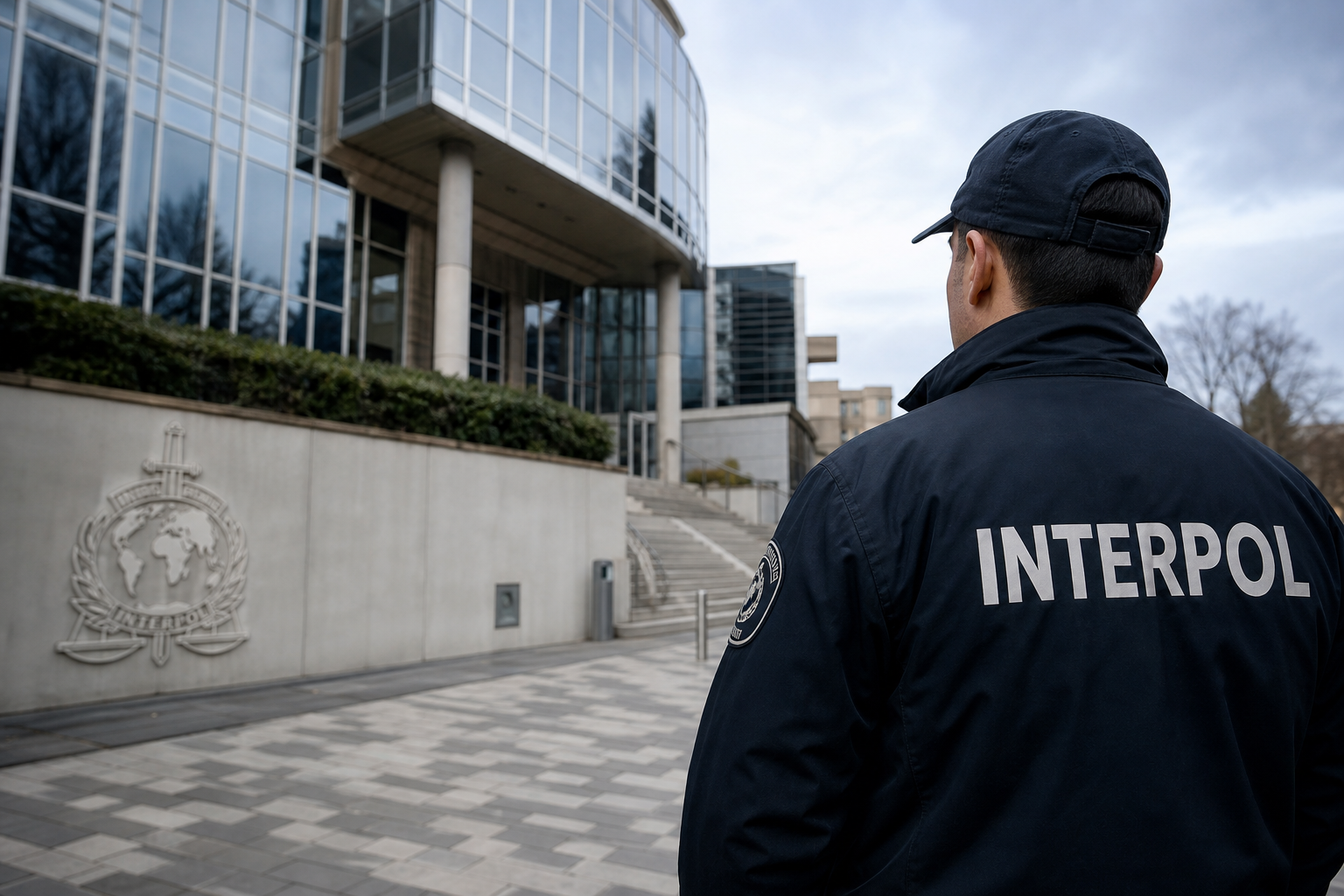
Initial reports typically trigger a sequence of actions by law enforcement agencies, led by the National Police Service and the Directorate of Criminal Investigations.
How Are Cases Opened?
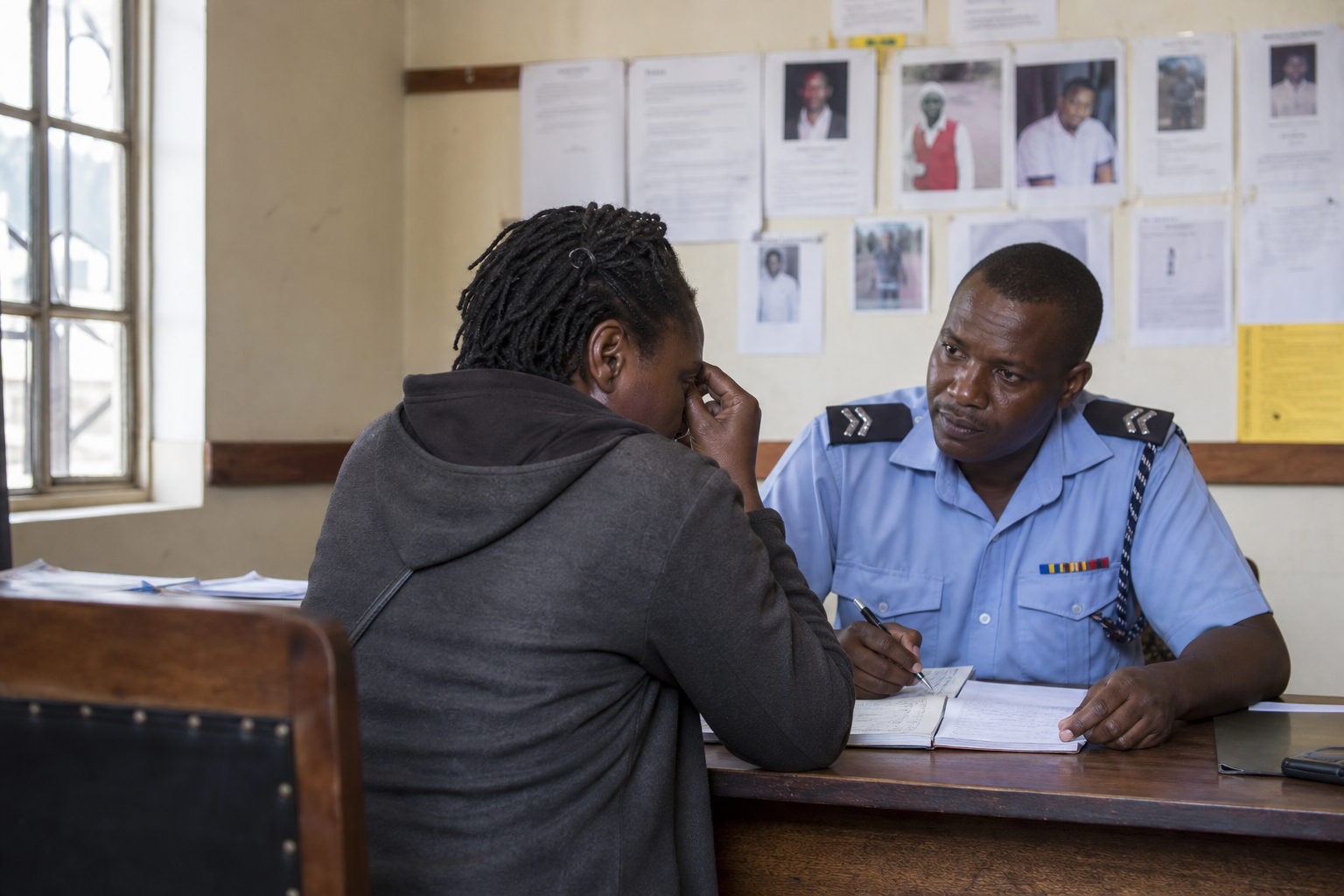
The process begins at a local police station, where a report is formally logged in the Occurrence Book, commonly known as the OB.
Under Kenyan police procedures, there is no legal requirement to wait 24 hours before reporting a missing person. A report can be made immediately if there is reasonable concern for an individual's safety or whereabouts.
When filing a report, relatives must provide essential details, including recent photographs, physical descriptions, last known contacts, and any relevant medical or personal background.
Once the report is entered into the OB, officers assign an OB number to the case. This reference code serves as the official tracking identifier for all subsequent investigative inquiries and public updates.
What Actions Do Police Take?
Following the entry in the OB, the police station commander or designated investigating officer initiates initial tracing protocols.
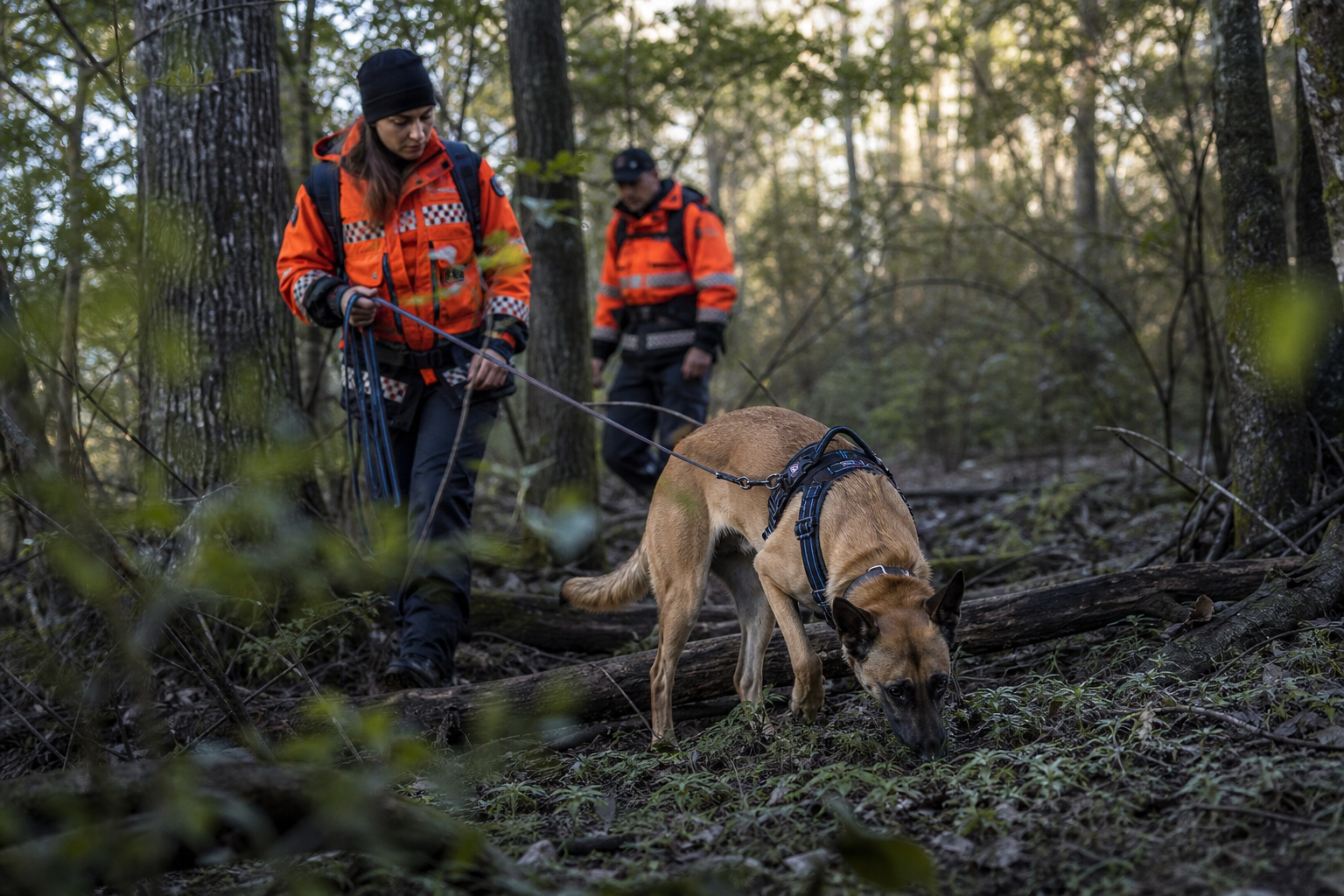
Investigators begin by broadcasting details across police communication channels, alerting nearby stations, border control posts, and transit hubs. Officers also check local hospitals, mortuaries, and detention facilities to verify whether the missing person has been admitted, detained, or involved in an accident.
If foul play, abduction, or high-risk circumstances are suspected, the case is typically escalated to specialised units within the Directorate of Criminal Investigations.
These specialised teams utilise forensic analysis, call data records, and mobile phone tracking to establish the individual's last known location and identify potential leads.
What Role Do Families Play?
While official channels conduct structural inquiries, families often maintain parallel search efforts to support the investigation.
Relatatives frequently collaborate with local community leaders, non-governmental organisations, and civil society groups to raise public awareness. Engaging local media outlets and leveraging social platforms have become standard mechanisms to distribute photographs and contact details widely.
Rights organisations recommend that families maintain detailed logs of all interactions with law enforcement, including officer names, station designations, and updates provided during the investigation.
Legal experts also advise families to seek assistance from legal aid organisations or human rights bodies if investigations stall or face administrative delays.
What Challenges Slow Investigations?
Despite clear administrative frameworks, search processes in Kenya frequently encounter operational hurdles.
Resource constraints within regional police stations, limited access to advanced forensic technology, and delays in obtaining telecommunication tracking warrants can slow down search operations. Communication gaps between different police jurisdictions can also affect information sharing across county boundaries.
To mitigate these challenges, legal experts advocate for centralised missing persons registries and streamlined coordination between law enforcement, healthcare providers, and civil society organisations.
What Happens Next?
If an investigation successfully locates the missing person, law enforcement formally closes the case in the Occurrence Book after confirming the individual's safety and recording their statement.
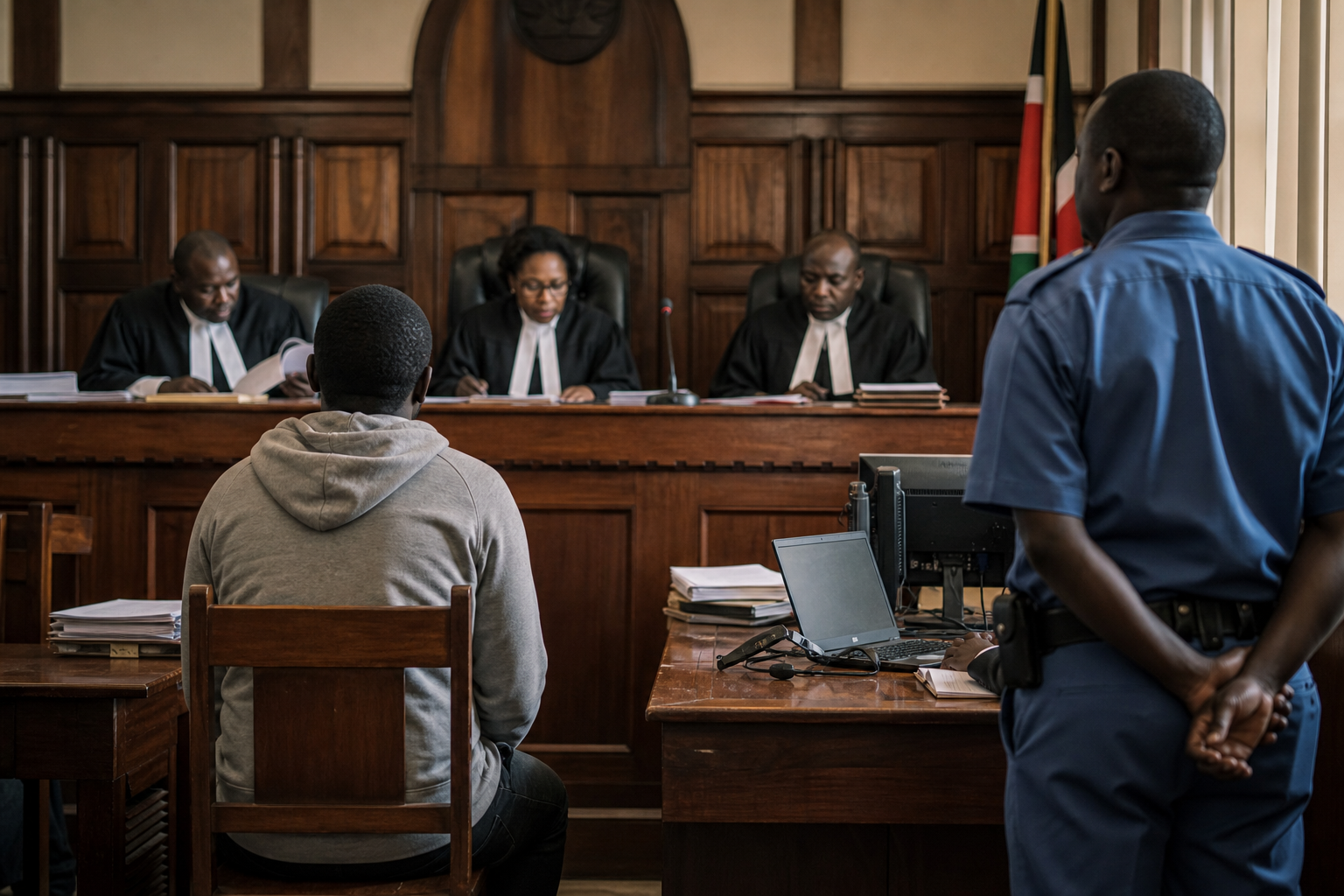
If the search yields evidence of a crime, investigators transition the missing person case into an active criminal inquiry, filing evidence for prosecution through the Office of the Director of Public Prosecutions.
When a search yields no immediate results, the case remains open under law enforcement tracking systems, requiring periodic reviews by designated investigative officers. Legal professionals continue to push for institutional reforms, including automated national tracking databases, to shorten response times and enhance missing person search outcomes across Kenya.