Constitutional Guarantees: How Kenyan Law Defines Freedom of Speech
Kenya's legal structure establishes clear protections for freedom of speech while defining precise boundaries for public discourse and political criticism.
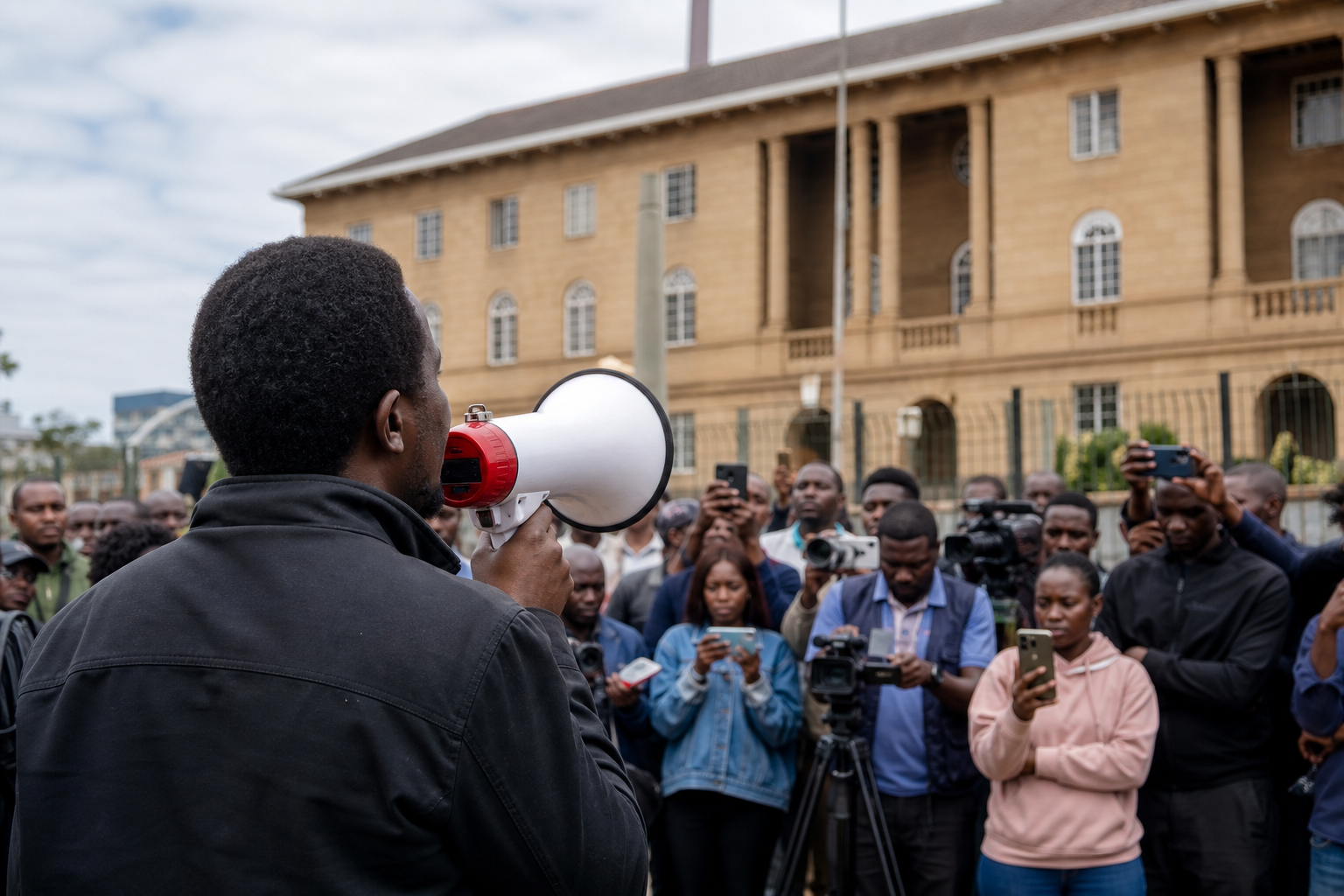
The legal safeguards governing public debate in Kenya rest on clear constitutional provisions designed to protect open expression and political discourse.
Under Article 33 of the Constitution of Kenya, every citizen possesses the right to freedom of expression. This includes the freedom to seek, receive, or impart information and ideas, alongside freedom of artistic creativity and academic freedom.
However, the constitutional text establishes explicit limits. Freedom of speech does not extend to propaganda for war, incitement to violence, hate speech, or the advocacy of hatred that constitutes incitement to discrimination, hostility, or violence. When citizens exercise their right to free expression, the Constitution mandates respect for the rights and reputations of others.
What Limits Speech?
Legal provisions within statutory frameworks further define where public commentary crosses into unlawful conduct. Laws addressing defamation, cybercrime, and public order regulate how opinions and reports are published across print, broadcast, and digital channels.
Defamation laws distinguish between civil injury to personal reputation and legal political commentary. Under Kenyan civil law, public figures face a high threshold when demonstrating that public criticism damages their professional reputation, as courts weigh personal standing against the public interest in open scrutiny.
Similarly, the Computer Misuse and Cybercrimes Act targets the intentional dissemination of false information designed to cause panic or destroy reputations online. Civil liberties advocates frequently review the implementation of these statutes to ensure enforcement actions remain strictly within constitutional bounds.
How Are Rights Enforced?
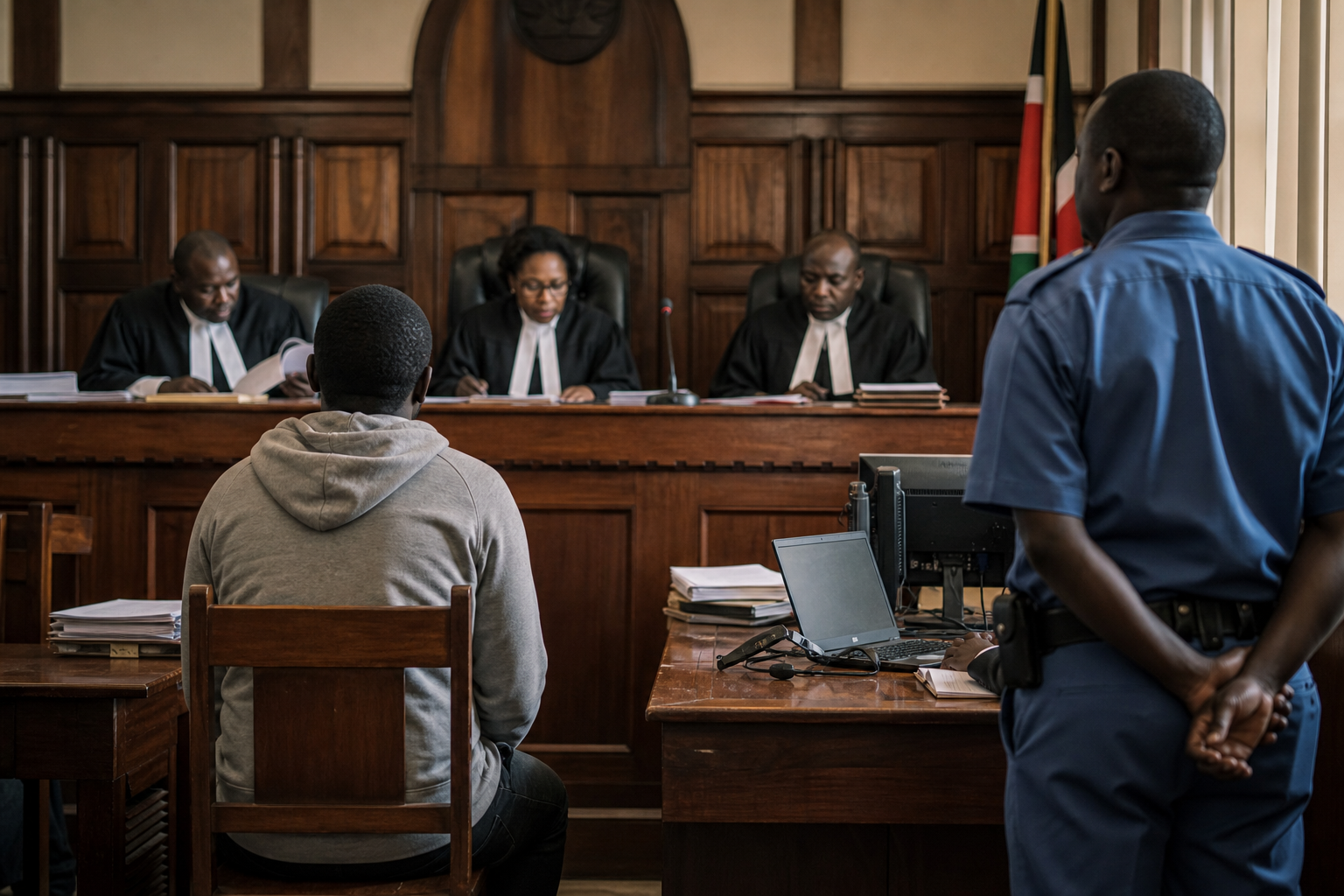
The High Court of Kenya holds primary constitutional jurisdiction over disputes concerning free expression. Citizens who allege that state agencies or private entities have violated their Article 33 rights can file constitutional petitions seeking protection or legal remedies.
Independent oversight bodies also monitor public commentary and state actions:
- The Kenya National Commission on Human Rights tracks enforcement actions to ensure compliance with constitutional standards.
- The Media Council of Kenya oversees professional media standards and arbitrates complaints against journalists and media houses.
- The National Cohesion and Integration Commission monitors public speeches and digital platforms for instances of illegal hate speech.
These institutions operate to balance public order with individual liberties, ensuring that regulation does not suppress legitimate dissent.
What Shifts Ahead?
The expansion of digital publishing and social media platforms presents ongoing questions for legal oversight in East Africa. Courts continue to evaluate how existing statutes apply to online commentary, digital news distribution, and real-time public debate.
Legal experts and civil society groups monitor upcoming judicial rulings and legislative proposals to ensure statutory amendments do not restrict constitutional rights. The evolution of Kenya's jurisprudence will determine how state institutions maintain the balance between national security, public safety, and fundamental freedoms.