The Three-Year Countdown: How Kenya’s IEBC Manages Election Logistics Cycles
Preparing for a national election in Kenya involves a multi-year institutional cycle governed by strict statutory deadlines, complex technology procurement, and continuous voter registration long before voters head to the polls.
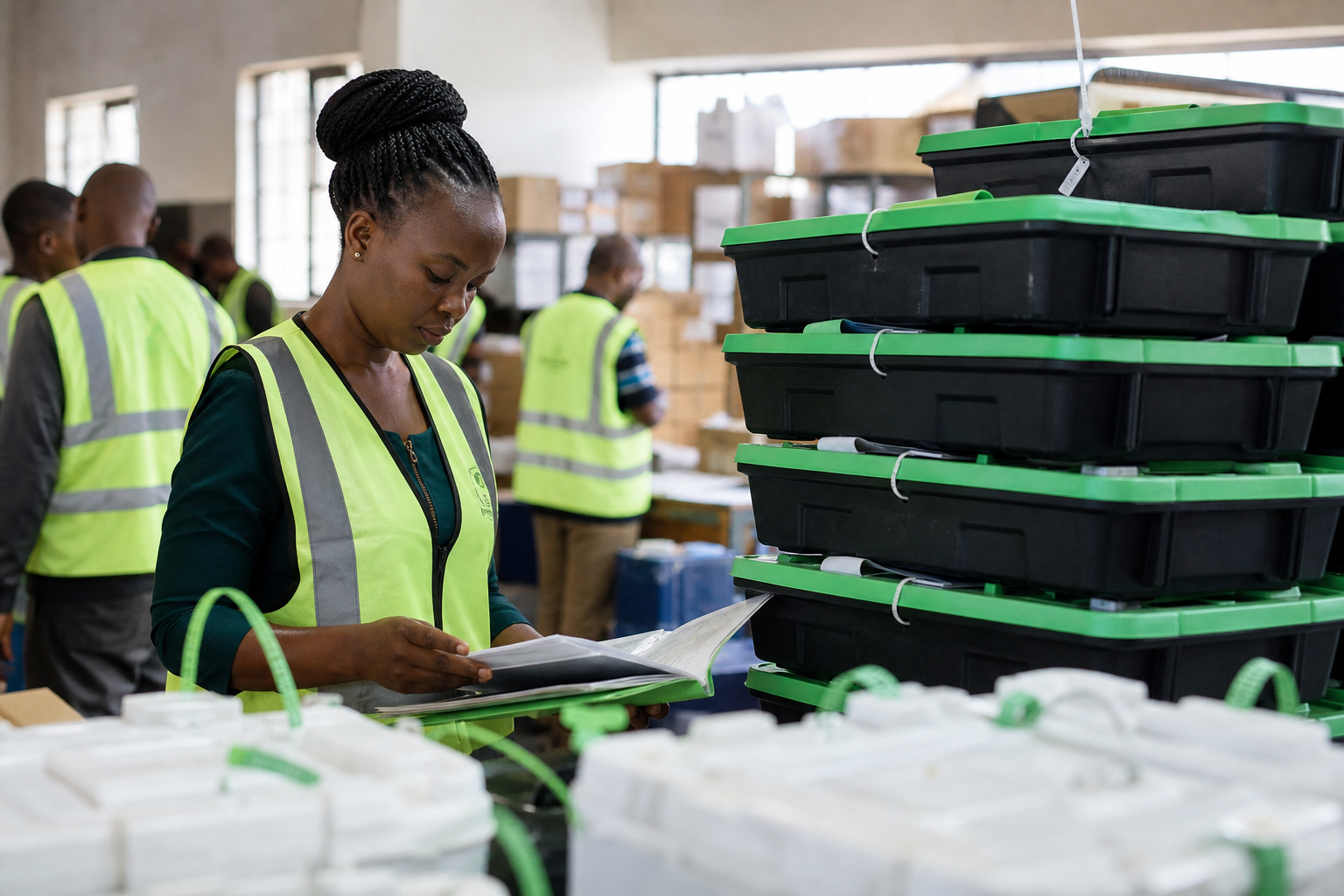
The logistical architecture of a national election is rarely built in the months immediately preceding a vote. In Kenya, operational readiness for a general election relies on a strict multi-year statutory timetable managed by the Independent Electoral and Boundaries Commission (IEBC). (Standardmedia)
This technical process requires boundary reviews, voter register audits, procurement of electronic voting infrastructure, and extensive civic education long before political campaigns hit their peak. When political figures debate electoral readiness, they are touching on a complex institutional schedule dictated by the Constitution and statutory timelines.
The commission operates under fixed statutory obligations that govern everything from legal compliance to technical testing. Understanding how the electoral body manages this multi-year countdown clarifies why institutional preparation, rather than political rhetoric, determines the integrity of a national poll.
How Does the Planning Cycle Work?
Kenya's electoral framework mandates continuous operational cycles rather than periodic preparations. The foundation of this system is the voter register. Under Kenyan law, voter registration is a continuous exercise, but the commission must periodically suspend registration to clean, audit, and certify the register before an election.
A major requirement in the early phase of the cycle is the legal requirement for an independent audit of the voter register. This step ensures that deceased voters are removed, duplicate entries are cleared, and voter transfers are updated across the country's polling stations.
Alongside register management, the commission must review electoral boundaries. The Constitution requires the electoral body to review the names and boundaries of constituencies and wards at intervals of not less than eight years and not more than 12 years. This process involves extensive public participation, demographic analysis, and mapping to maintain equitable representation across regions.
Why Does Technology Procurement Start Early?
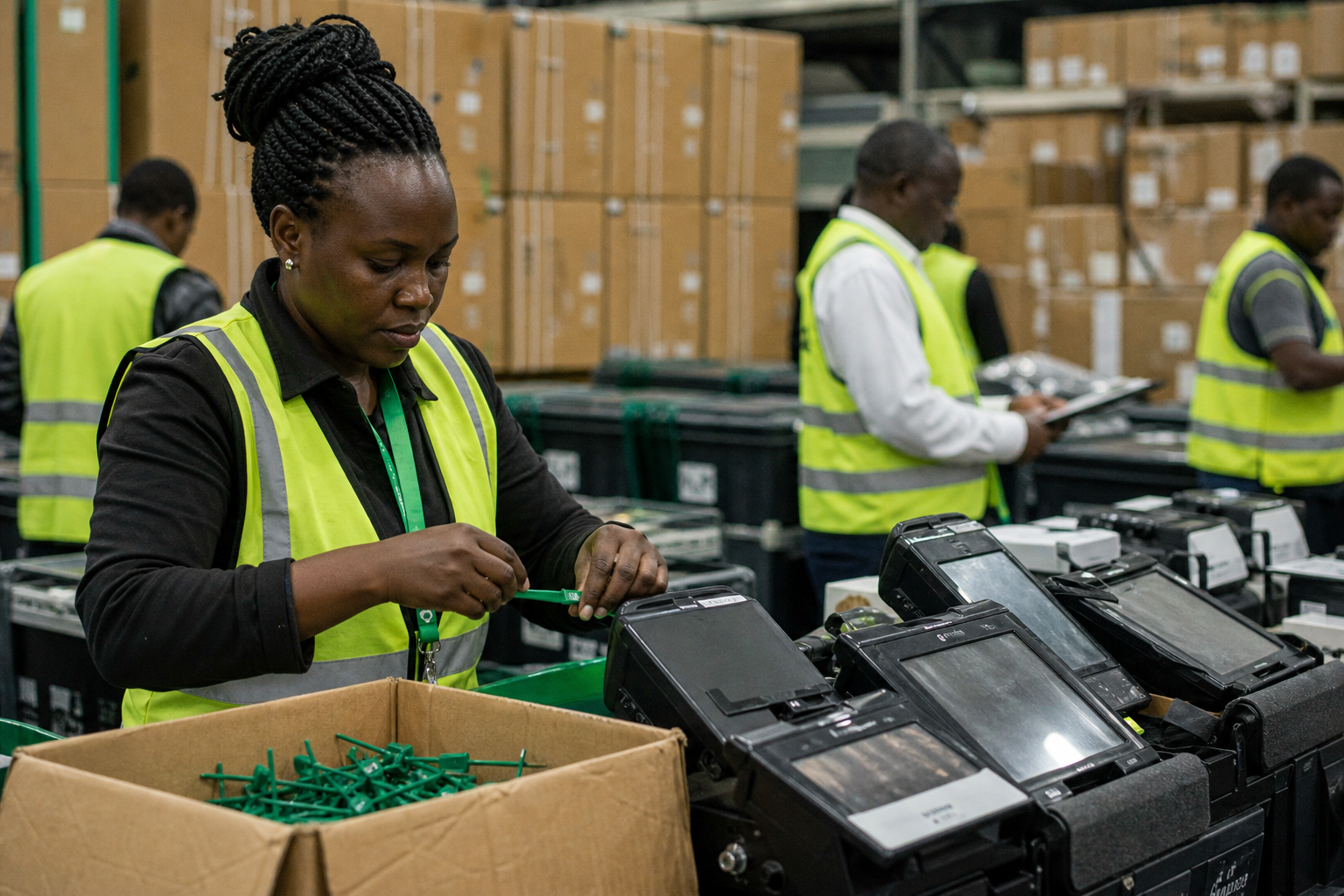
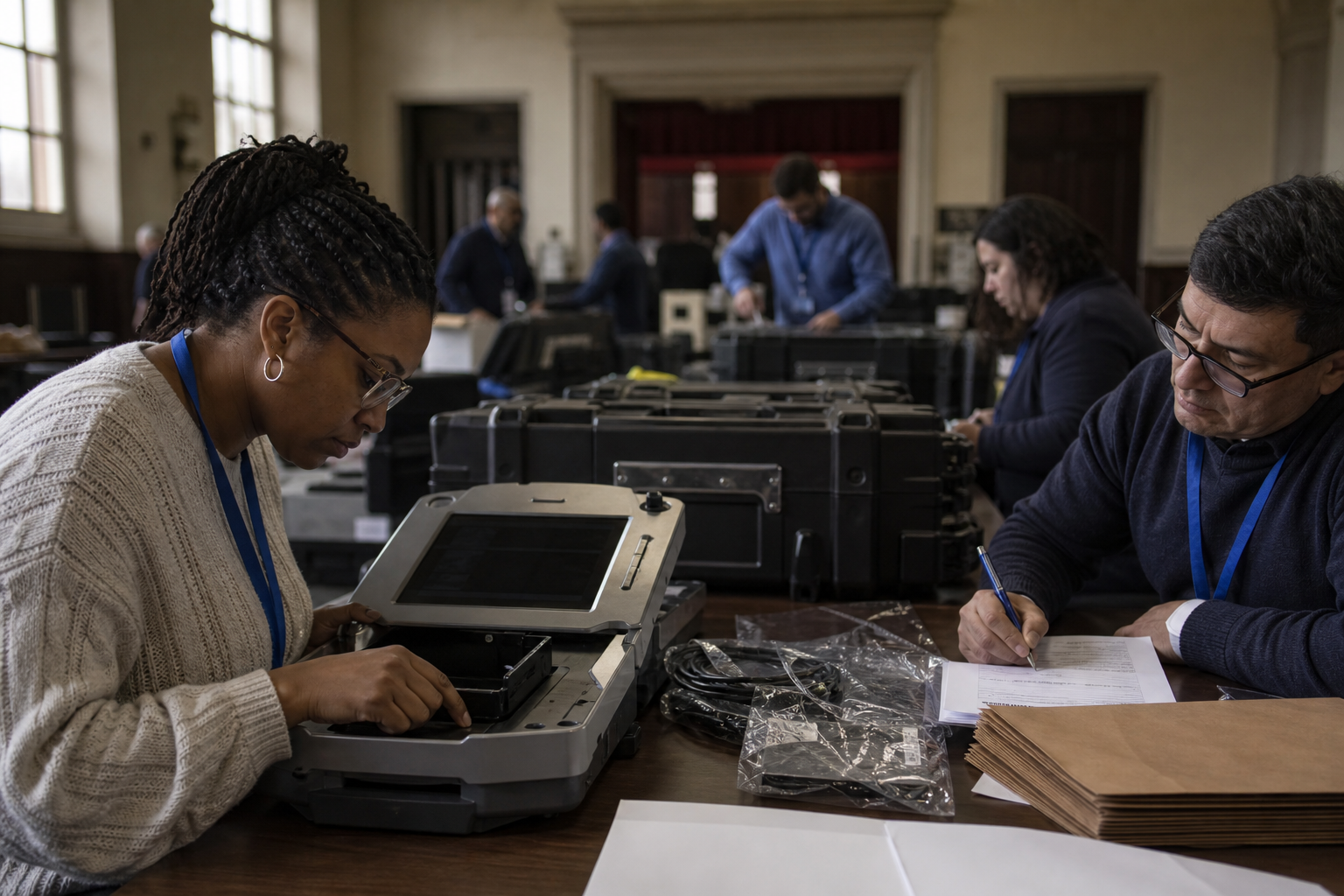
The procurement and testing of election technology represent one of the most critical phases in the institutional schedule. Under the Kenya Integrated Election Management System (KIEMS), the commission relies on biometric kits for voter identification and digital transmission of results from polling stations.
Procuring, configuring, and testing this hardware and software requires a long lead time. International standards and domestic legal guidelines dictate that technology must be acquired, integrated, and subjected to public testing well before polling day.
Delays in acquiring or testing KIEMS kits can create legal and operational vulnerabilities. Consequently, the commission must secure funding, manage public tenders, navigate potential legal challenges from unsuccessful bidders, and deploy the equipment across thousands of polling centres nationwide.
What Are the Financial and Human Requirements?
Running a national election requires massive logistical deployment. The commission must recruit and train hundreds of thousands of temporary poll workers, including presiding officers, polling clerks, and security personnel.
Financially, the commission depends on timely budget allocations from the National Treasury. A standard electoral cycle involves considerable expenditure divided into distinct phases:
- Initial Phase: Boundary reviews, continuous voter registration, and legal framework adjustments.
- Mid-Cycle Phase: Biometric hardware updates, voter register audits, and public civic education.
- Final Phase: Ballot printing, nationwide staff training, distribution of voting materials, and polling day operations.
Securing full funding early in the budget cycle allows the electoral body to sign contracts for ballot paper printing and logistical transport without resorting to emergency procurement methods, which carry higher financial and administrative risks.
How Do Legal Deadlines Shape Operations?
Every step of the electoral cycle is bound by strict statutory deadlines. Disputes over candidate nominations, party lists, and voter eligibility must be resolved within established legal windows to prevent delays on polling day.
The commission must also coordinate with judicial mechanisms. Special electoral dispute resolution committees operate within fixed statutory timelines to resolve disputes arising from party primaries and candidate clearance.
Furthermore, operational transparency requires regular briefings with political parties, civil society organisations, and international observers. Maintaining this structured engagement ensures that all stakeholders understand the technical progress and security protocols of the upcoming election.
What Comes Next for Electoral Operations?
As the electoral calendar progresses, focus shifts from legal planning to field operations. The commission must conduct mock runs of the result transmission system to test network coverage across remote polling stations.
Cooperation with telecommunication providers is essential during this stage to ensure primary and backup satellite networks are operational. Any dead zones identified during dry runs require alternative transmission measures to satisfy statutory requirements for real-time results streaming.
Ultimately, election preparedness in Kenya depends on maintaining the momentum of this institutional calendar. By sticking to statutory deadlines for technology testing, voter register verification, and staff recruitment, the commission builds the operational backbone required to conduct a nationwide vote.