The Rules of the Game: How Kenya Procures Election Technology
Kenya's electoral law sets strict statutory rules and timelines for procuring voting technology. Here is how the legal framework governs the IEBC's operational mandate.

Kenya's election management framework establishes strict legal standards for acquiring the technology used to identify voters and transmit election results. (Nation)
Under the Kenyan Constitution and the Elections Act, the Independent Electoral and Boundaries Commission (IEBC) holds the exclusive constitutional mandate to plan, procure, and deploy election infrastructure. As political debates intensify ahead of upcoming electoral cycles, the legal mechanisms governing election technology procurement remain anchored in statutory timelines designed to ensure transparency, public participation, and technical reliability.
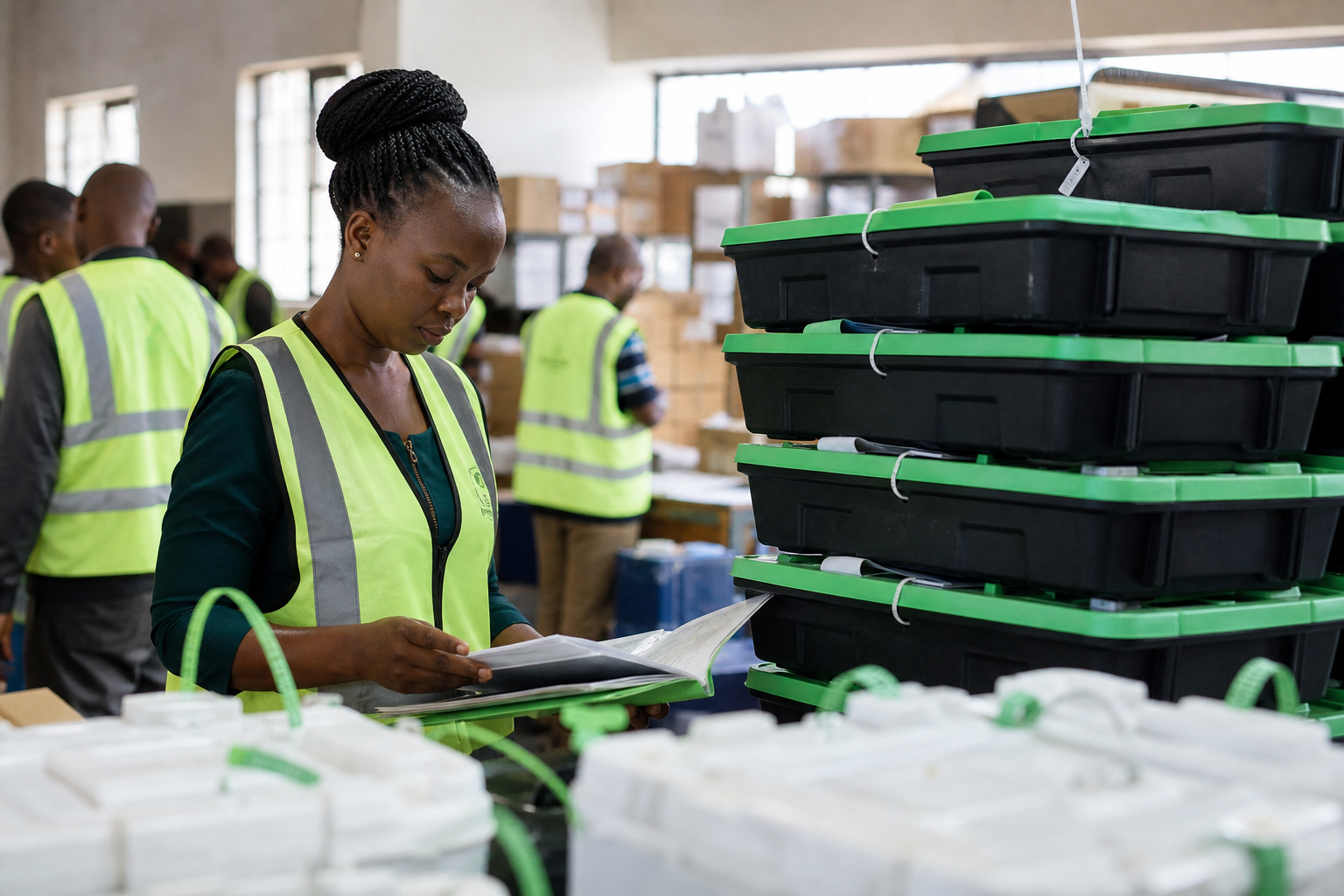
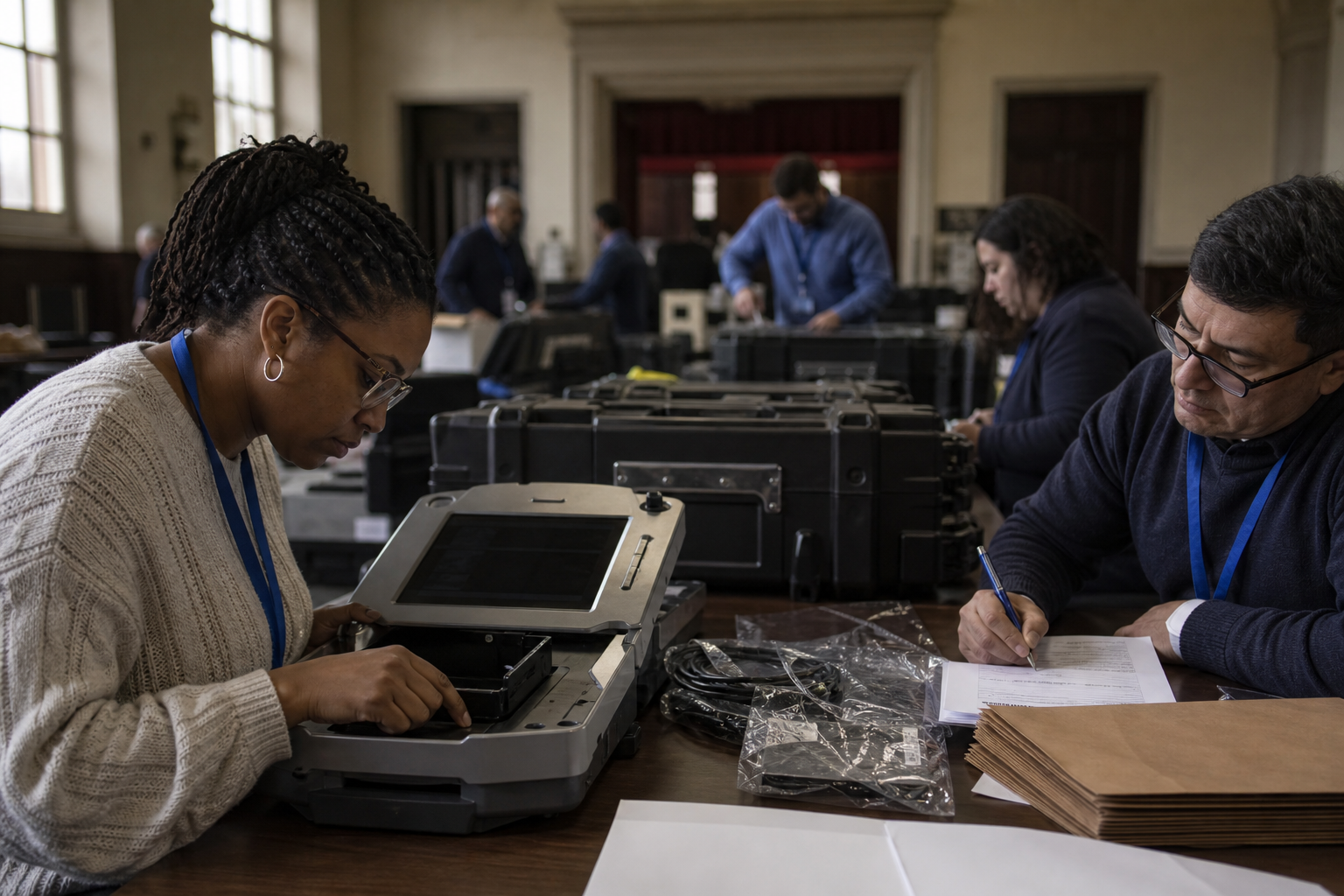
The statutory foundation for Kenya's digital voting infrastructure is primarily defined by the Elections Act of 2011 alongside the Elections (Technology) Regulations. These laws require the electoral body to maintain an integrated electronic electoral system. This framework includes the Kenya Integrated Election Management System (KIEMS), which handles voter registration, voter identification on polling day, and the secure transmission of election results from polling stations to national tallying centres.
Who Controls Election Procurement?
Under Article 88 of the Constitution, the IEBC is an independent commission subject only to the Constitution and the law, operating free from the direction or control of any person or authority. This independence extends directly to public procurement processes.
When procuring critical technology, the commission operates under the Public Procurement and Asset Disposal Act. This legislation mandates competitive international bidding for major public contracts, setting defined periods for tendering, evaluation, award, and administrative review.
The public procurement laws allow aggrieved vendors or interested parties to file appeals through the Public Procurement Administrative Review Board (PPARB) and subsequently the High Court. These legal avenues regularly shape the exact calendar of electoral preparations, as administrative disputes must be fully resolved before contracts can be signed and equipment manufactured.
How Do Timelines Work?
The law sets firm deadlines for testing and deploying technology before any general election. According to the Elections Act, the commission must procure, test, and audit all election technology well in advance of polling day.
The law requires that the electoral technology undergo a comprehensive system audit by an independent professional firm at least six months before a general election. This audit verifies the integrity, security, and operational readiness of both the hardware and software components.
System integration and field testing follow a strict statutory schedule:
- Procurement and Contract Award: Bidding processes must conclude sufficiently early to accommodate legal appeals and manufacturing timelines for specialised hardware.
- Independent Audit: An external audit firm evaluates system security, source code, and data centres at least six months prior to the election.
- Public Testing: The commission must conduct user acceptance testing and a simulated public demonstration of the technology at least 60 days before the election to verify data transmission channels.
These statutory cut-offs are designed to prevent last-minute technological changes that could compromise the stability of the election environment.
What Are The Next Steps?
As the electoral commission prepares for future electoral activities, its immediate operational focus centres on filling existing administrative vacancies, establishing early procurement plans, and securing budgetary approvals from Parliament.
The operational budget for technology acquisition remains subject to parliamentary appropriation. The commission must present its procurement plans to the National Assembly to secure funding for system maintenance, software licensing, and hardware upgrades.
The formal commencement of technology procurement begins when the commission publishes international tenders in the public domain. This step initiates the legal countdown for vendor selection, technical evaluations, and statutory system testing ahead of the next general election.