Beyond the Deepfake: How AI Voice Synthesis Technology Actually Works
Generative speech tools can clone a human voice within seconds using short audio clips. Here is how the technology works, why it creates unique vulnerabilities during election campaigns, and how forensic teams detect synthetic audio.
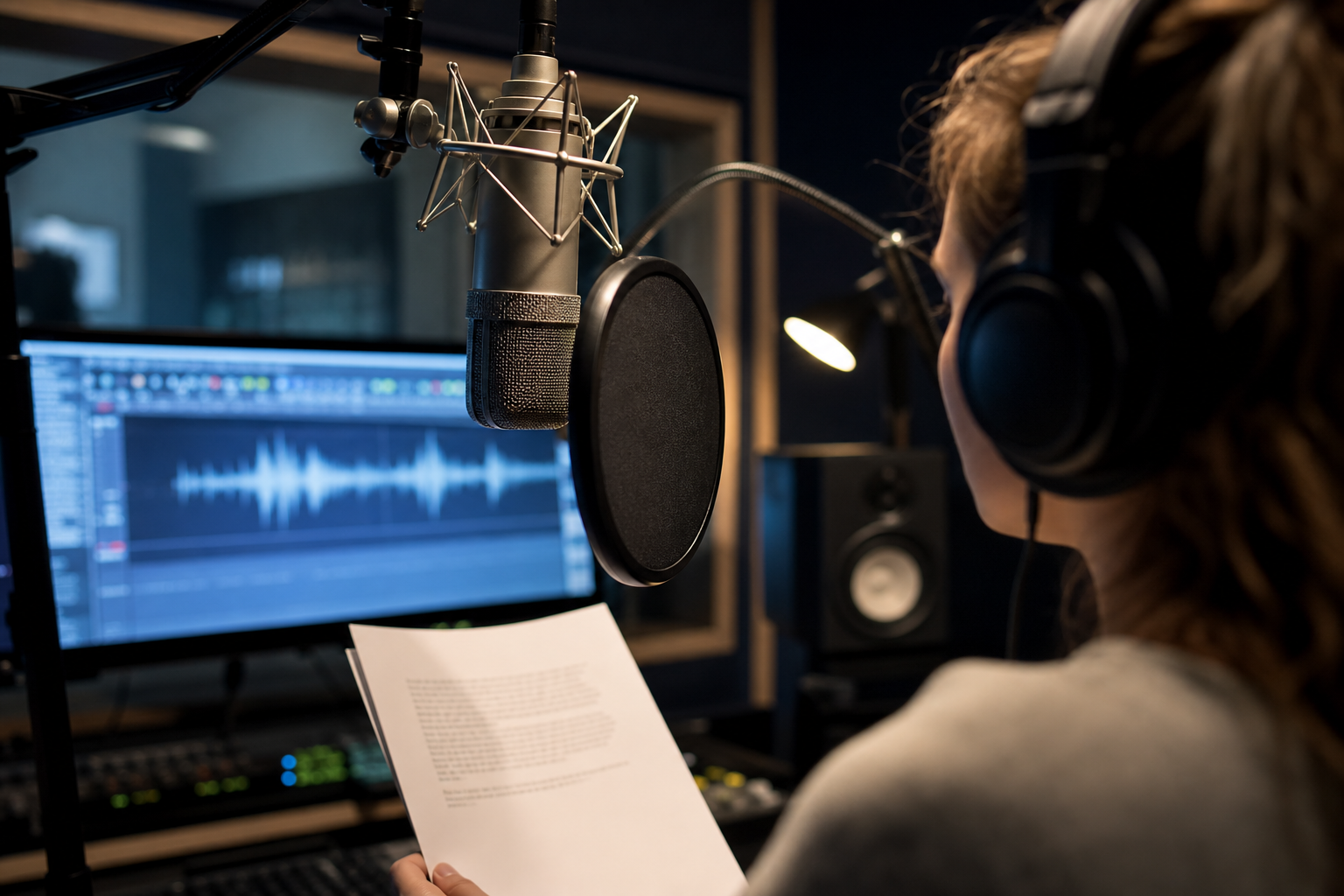
Audio generation platforms can now replicate a human voice using just a few seconds of clear reference audio. (Theguardian)
These software systems extract unique vocal characteristics, such as tone, cadence, and pitch, to build a digital model capable of reading any custom text.
While voice synthesis was once restricted to high-budget entertainment production, cheap public tools have made synthetic audio accessible to anyone with an internet connection.
How Does Voice Synthesis Work?
Modern voice synthesis relies on deep learning neural networks trained on vast datasets of human speech.
The software breaks down an audio recording into tiny acoustic components, analysing vocal resonance, accent variations, and speech rhythms.
Once the digital profile is built, the system uses text-to-speech algorithms to generate fresh audio that mirrors the original speaker's acoustic footprint.
Digital safety researchers note that the technology has progressed from robocall-style monotone output to expressive, natural-sounding audio that includes realistic pauses and breathing sounds.
Why Do Elections Present Risks?
Synthetic speech poses a unique threat during electoral cycles because audio clips are easy to share on messaging platforms and often lack visual context.
Unlike video deepfakes, which require significant rendering time and visual alignment, synthetic voice files can be created in minutes using small snippets of public speeches.
Audio files distributed via private chat groups can spread widely before fact-checkers or political candidates are able to verify their authenticity.
Security analysts point out that voters frequently evaluate audio recordings on low-quality mobile phone speakers, making subtle digital distortions harder to detect.
How Can Deepfakes Be Detected?
Detecting synthetic voice clips requires a combination of automated media analysis and public awareness.
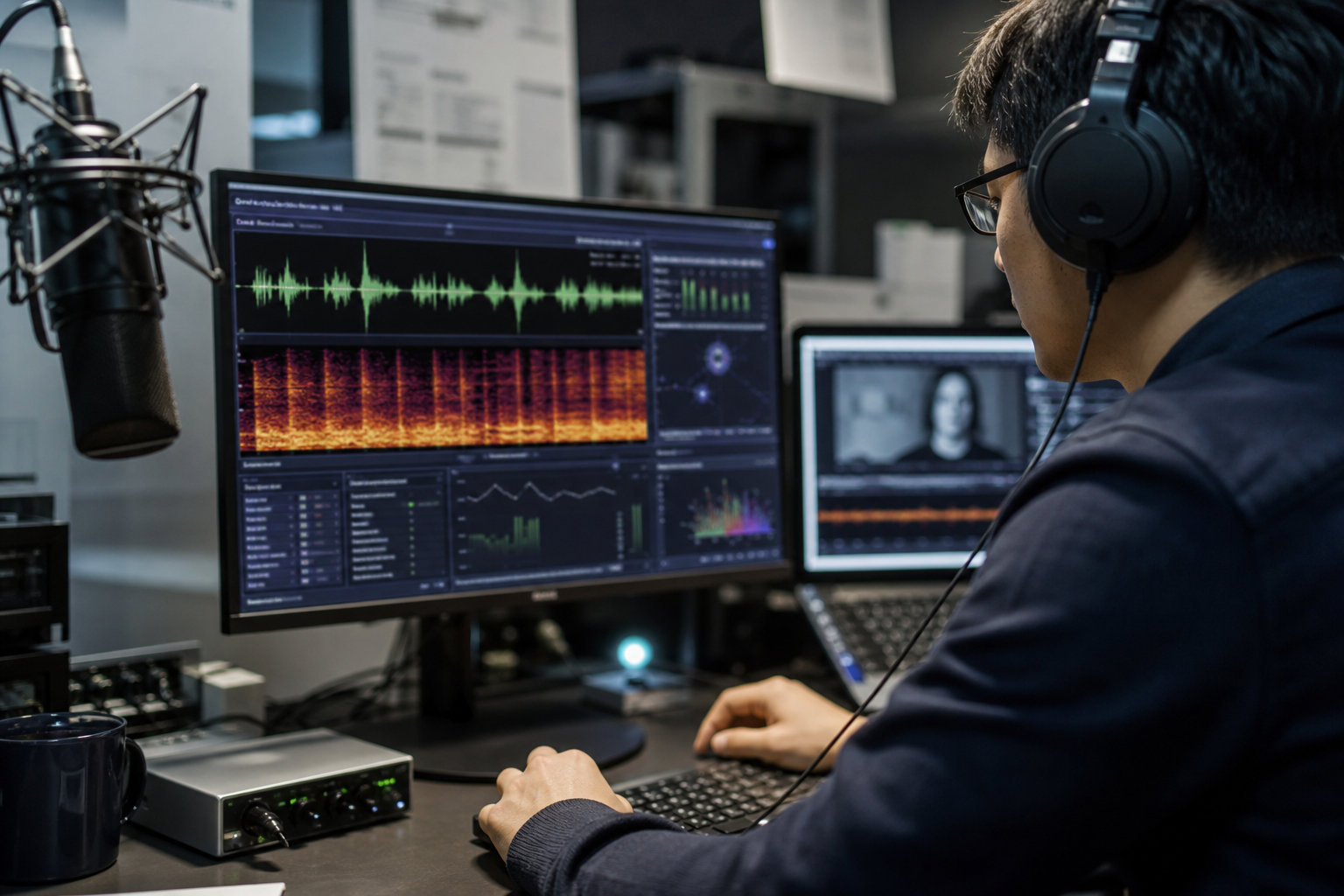
Specialised detection tools evaluate spectral frequencies, looking for unnatural background consistency, missing breath patterns, or robotic audio artifacts that human ears might overlook.
Major technology platforms are also testing digital watermarking and provenance tracking, which embed invisible metadata into AI-generated media at the moment of creation.
However, forensic experts warn that detection algorithms often struggle when audio files are heavily compressed or re-recorded through external microphones.
What Steps Come Next?
Governments and electoral bodies are attempting to introduce regulatory frameworks to address digital impersonation before major polling events.
Legislative proposals in several jurisdictions seek to penalise the deceptive use of synthetic media in campaigns and require clear disclosures on AI-generated political advertisements.
At the same time, creative artists, including high-profile performers, have backed public campaigns warning against unregulated voice cloning and demanding stronger legal protections for personal vocal identity.
As election monitoring groups adapt to generative software, verifying the origin of political communications will remain a critical challenge for democratic institutions globally.