“We Need Protection”: Celebrities Support Global Campaign Against Unauthorised AI Voice Cloning
Prominent performers including Nicola Coughlan and Matt Lucas are spearheading a campaign calling for robust legal protections to prevent unauthorised artificial intelligence voice cloning across the creative industry.
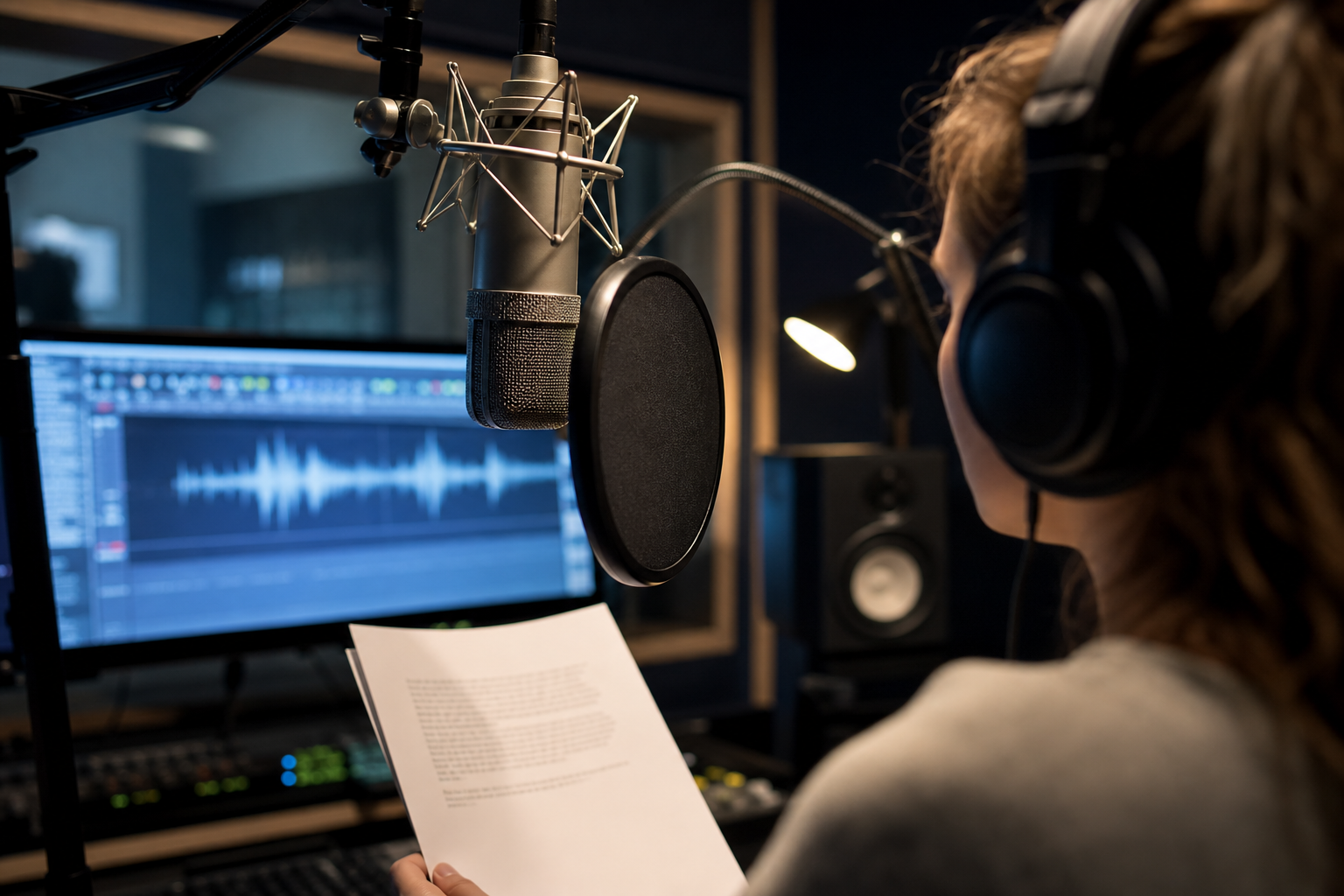
Actors Nicola Coughlan and Matt Lucas are amongst prominent figures lending their support to a growing international campaign aimed at curbing the unauthorized use of artificial intelligence voice-cloning technology. The performers have joined creative professionals in demanding stronger legal protections and ethical boundaries surrounding synthetic voice generation.
The initiative highlights escalating concerns within the entertainment sector over how artificial intelligence models are trained and deployed. Performers argue that without strict regulatory oversight, voice synthesis software allows third parties to replicate human vocals without consent, compensation, or clear attribution.
What Happened?
The campaign brings together high-profile creative talent to draw attention to the rapid proliferation of generative voice tools. Industry figures such as Nicola Coughlan and Matt Lucas are using their platforms to urge policy makers and technology companies to establish enforceable boundaries around digital vocal replication.
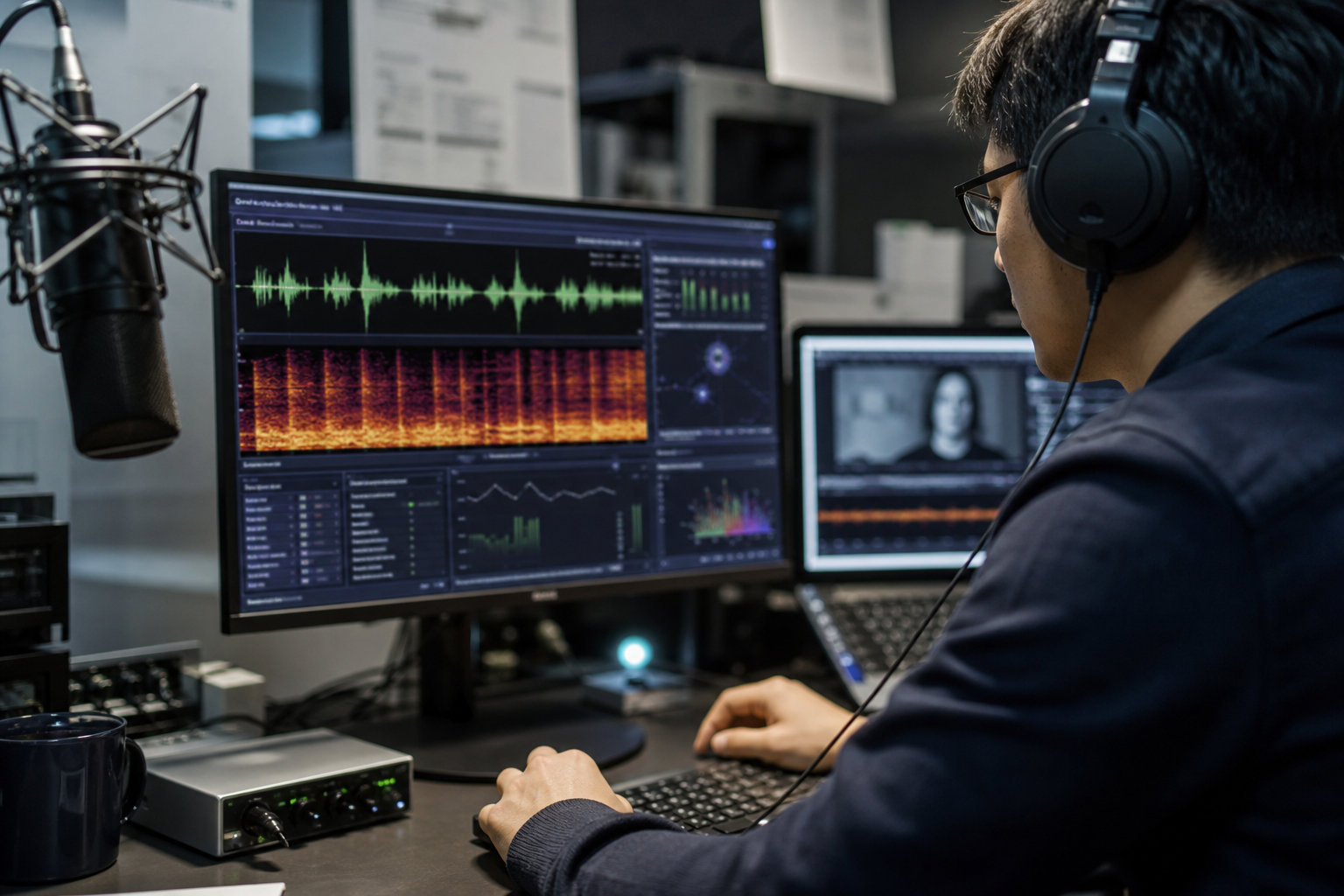
Supporters of the campaign point out that deepfake software and synthetic voice engines have made it increasingly simple to copy a performer's distinctive tone using minimal audio samples. The initiative seeks clear legal frameworks that recognize an individual's rights over their unique voice print.
Why It Matters
The widespread availability of voice-cloning software has created economic and professional risks for actors, voice-over artists, and vocalists. Unauthorised synthetic replication presents significant challenges for intellectual property rights, as artists risk losing control over how their identities and personal brands are used.
Beyond the entertainment sector, legal experts note that unchecked voice synthesis carries broader societal implications, including potential misuse in fraudulent financial schemes and disinformation campaigns. Establishing clear consent mechanisms is considered vital for protecting creative livelihoods and maintaining digital trust.
What Changes Now?
The public intervention by leading cultural figures is expected to increase pressure on international legislative bodies and technology firms to introduce stricter safeguards. Rights advocacy groups are calling for mandatory licensing protocols, clear disclosures when synthetic voices are deployed, and strong penalties for unauthorised voice cloning.
As generative technology continues to advance, the campaign reflects a expanding effort across the global creative economy to balance technological innovation with the fundamental rights of human creators.
What Comes Next?
Legislators in key international jurisdictions are currently evaluating updated copyright and publicity frameworks to address generative artificial intelligence tools. Campaign organisers plan to continue pushing for formal legal protections while working directly with industry stakeholders to establish ethical guidelines for synthetic media production.