A Delicate Balance: How International Cricket Navigates State Politics and Broadcasting
International cricket remains deeply connected to government policy, diplomatic relations, and high-stakes media rights. Here is how governing bodies navigate political friction on and off the pitch.
International cricket operates at a unique intersection where elite sport, national identity and state diplomacy collide. Unlike many global sports governed strictly by independent federations, elite cricket remains deeply tied to government policy, geopolitical tensions and state-controlled broadcasting rights. (Nytimes)
When diplomatic tensions or internal political developments spill onto the field, governing bodies face complex challenges. National boards must balance domestic political mandates against international touring commitments, commercial broadcast agreements worth millions of dollars and strictly enforced anti-corruption and security protocols.
Understanding these dynamics requires looking beyond match results to examine how broadcast rights, government oversight and administrative frameworks shape modern international sports diplomacy.
Who Governs International Cricket?
The global administration of cricket is led by the International Cricket Council (ICC), but individual national boards retain substantial autonomy. In several major playing nations, national cricket boards operate with direct government oversight, regulatory supervision or political appointment mechanisms.
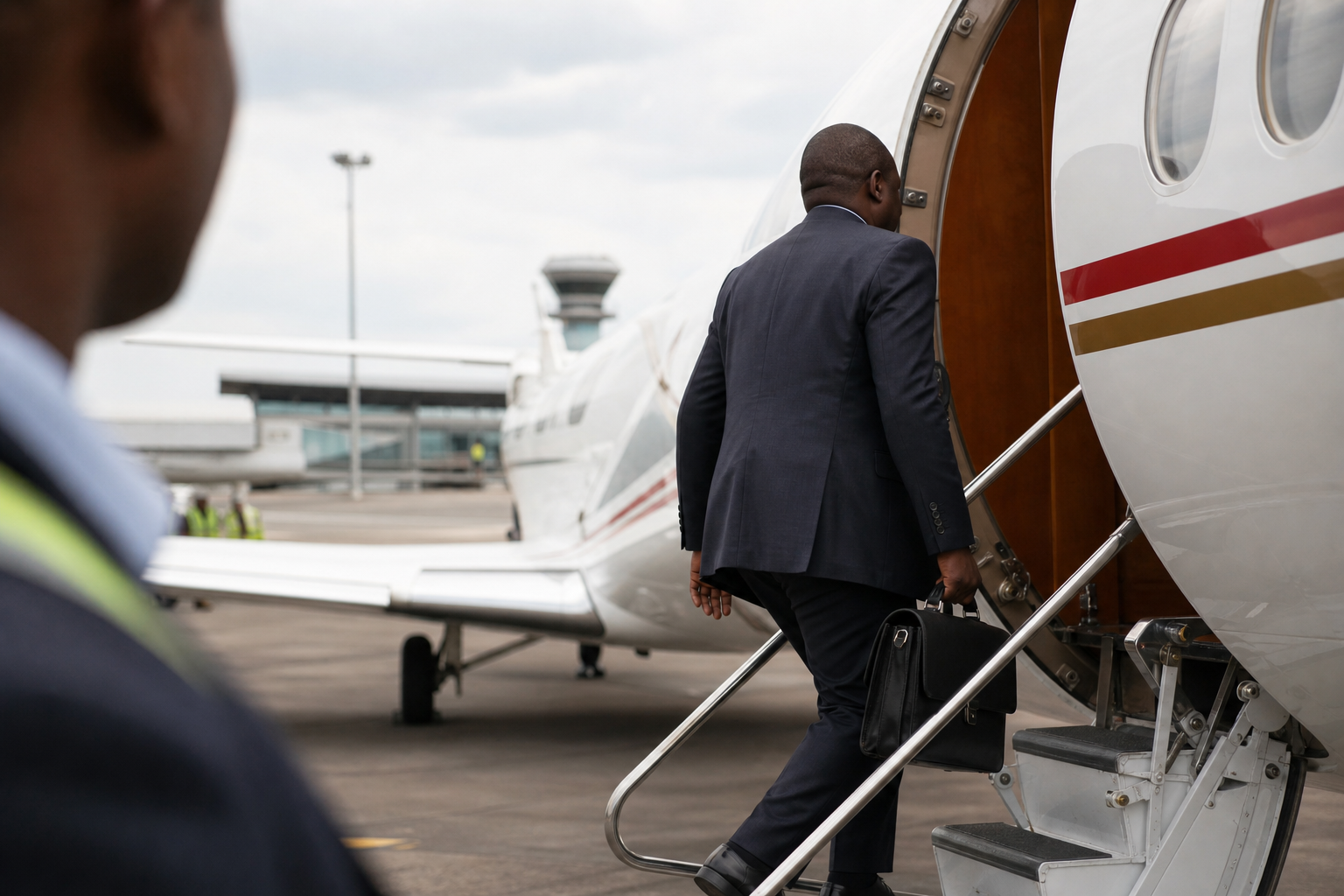
Because national boards often rely on state clearance for international travel, government foreign policy directly influences where teams can tour and whom they can play. Bilateral series agreements between nations are subject to official security approvals and diplomatic relations, meaning geopolitical disputes can instantly pause or cancel long-standing sporting arrangements.
This structural dependence on state clearance sets cricket apart from sports where individual athletes compete independently on international circuits without requiring government diplomatic approval.
How Do Broadcasts Interact?
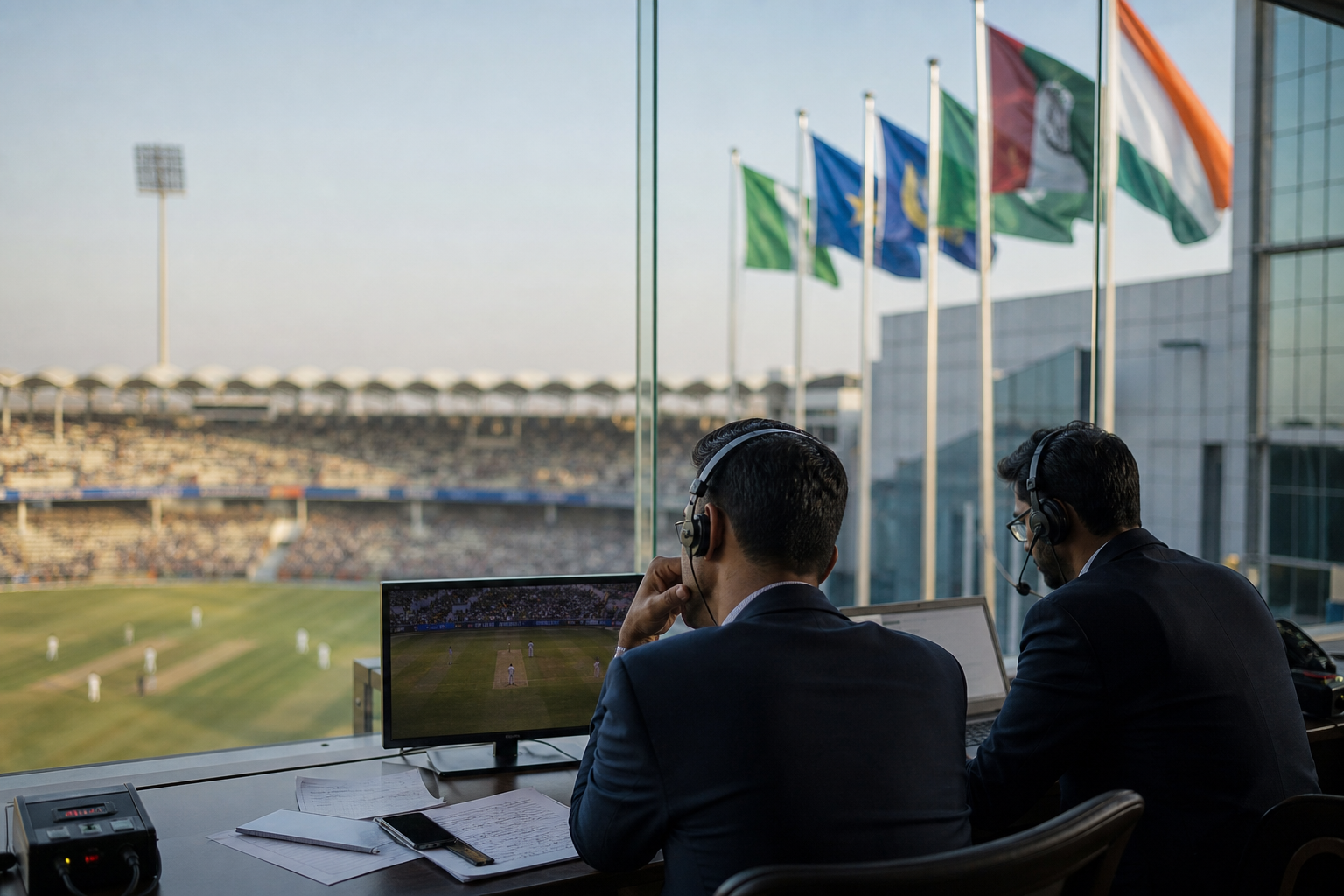
Modern international cricket is heavily funded by broadcasting rights, which generate the vast majority of revenue for national boards and global tournaments. Commercial networks pay millions of dollars to secure exclusive coverage, establishing strict contractual obligations regarding match timing, coverage access and editorial control.
Diplomatic disputes or political interference during a tour create friction between commercial broadcasters and sporting administrators. Broadcasters operate under domestic media regulations and editorial standards, while visiting boards must adhere to directives from their home governments.
When a domestic political incident or foreign policy stance conflicts with broadcast content, administrative officials are forced to navigate complex negotiations to prevent financial default or operational stoppages.
Why Are Tours Vulnerable?
International cricket relies on bilateral touring agreements, where two national boards negotiate logistics, revenue sharing and security protocols years in advance. These tours require immense logistical coordination, including sovereign security guarantees for visiting players and support staff.
If a government withdraws diplomatic clearance or identifies security risks, a national board has little choice but to comply. Previous international tours have been postponed or relocated to neutral venues due to regional instability, security concerns or political standoffs.
Playing at neutral venues maintains commercial continuity, but it underlines how fragile international sporting schedules become when national political interests intervene.
What Happens Next?
The relationship between state politics and global sport shows no signs of loosening. As broadcast rights deals grow larger and global sporting calendars become more crowded, the economic stakes for maintaining international fixtures have never been higher.
Governing bodies continue to refine contingency plans, including neutral venue hosting agreements and flexible broadcast frameworks, to insulate major events from sudden diplomatic disruptions.
However, as long as national cricket boards remain subject to government clearances and diplomatic mandates, state politics will remain a powerful force shaping the international game.