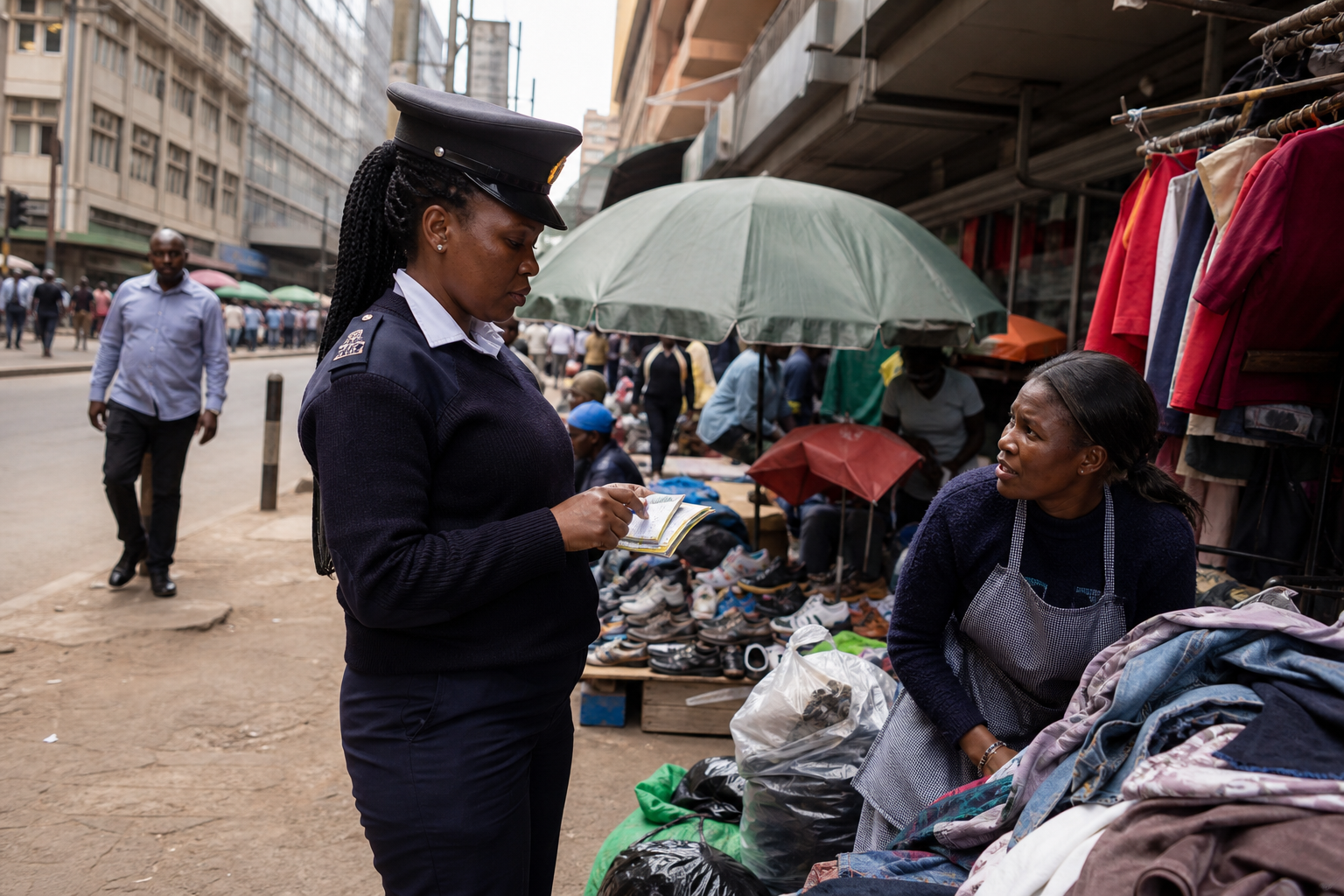
“Evaluating Readiness”: CAF Inspectors Arrive in Nairobi to Assess AFCON Facilities
Continental football inspectors have landed in Nairobi to evaluate stadium infrastructure, venue readiness, and logistical preparations as Kenya gears up to co-host the 2027 Africa Cup of Nations tournament.
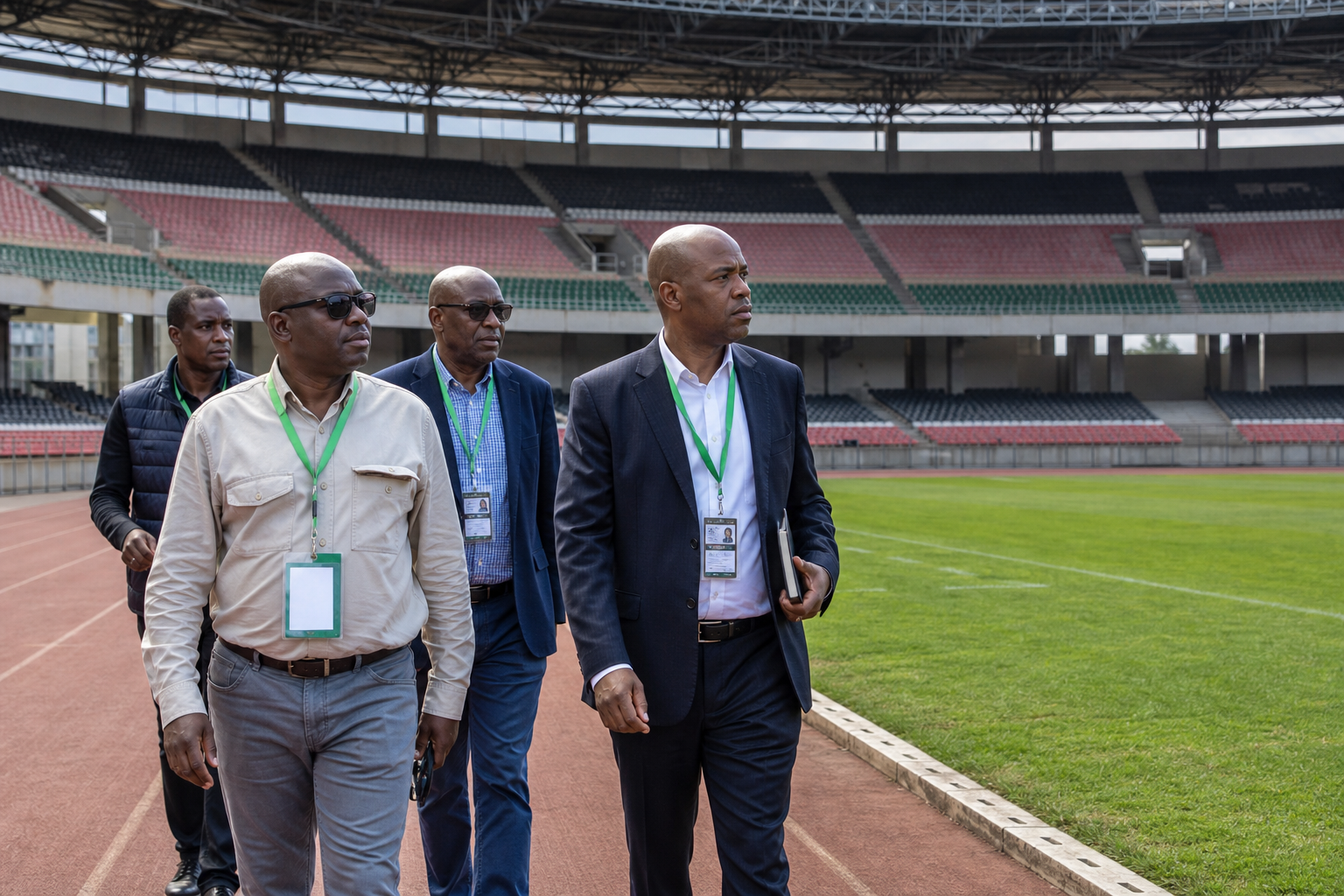
A delegation from the Confederation of African Football (CAF) is currently inspecting infrastructure in Nairobi to gauge Kenya's readiness to co-host the 2027 Africa Cup of Nations (AFCON). (Citizen)
The visit comes as continental football officials scrutinise key sporting venues, transport networks, and hospitality services across the capital to ensure facilities meet strict international tournament benchmarks.
Kenya is set to host the biennial football spectacle alongside East African neighbours Uganda and Tanzania under the joint Pamoja Bid framework.
What Is Being Assessed?
Inspectors are evaluating primary venues, including the iconic Nyayo National Stadium and the Kasarani Sports Complex, alongside training pitches designated for participating national squads.
A central focus of the venue evaluation remains the proposed construction and development of the new Talanta Sports City, a flagship project designed to expand the capital's high-capacity stadium capacity.
Financial assessments show the projected costs for the Talanta Sports City facility have expanded significantly, rising from an initial estimate of $270.4 million (KSh 35 billion) to $354.2 million (KSh 45.85 billion).
The cost escalation includes a $77.3 million (KSh 10 billion) tax levy tied to the development project, which continues to draw public scrutiny regarding public infrastructure expenditure.
Why Does It Matter?
Securing final approval from African football's governing body is critical for the East African region, which has never previously hosted the main tournament of the continent's flagship sporting event.
Meeting structural deadlines for stadium upgrades, security protocols, and medical facilities is required to prevent hosting rights from being reassigned or delayed.
Beyond sporting prestige, the Kenyan government views the tournament as a catalyst for economic growth, aiming to boost local tourism, construction employment, and regional hospitality revenues.
However, inspectors will also review supporting municipal infrastructure, evaluating whether Nairobi's public transport links and hotel capacity can handle the influx of visiting teams, official delegations, and international supporters.
What Comes Next?
Following the Nairobi site visits, the CAF delegation will compile an technical assessment report detailing structural progress, required facility modifications, and strict compliance deadlines.
Regional sports authorities must address any highlighted deficiencies before subsequent inspection rounds take place ahead of the 2027 kickoff.
Government officials maintain that facility developments remain on track, with further updates on stadium completion timelines expected once the visiting inspectors submit their preliminary report.