The Mechanics of Transparency: How Electoral Technology Tenders Actually Work
Electoral infrastructure relies on strict procurement frameworks and open tendering laws to ensure public trust long before voters head to the polls.
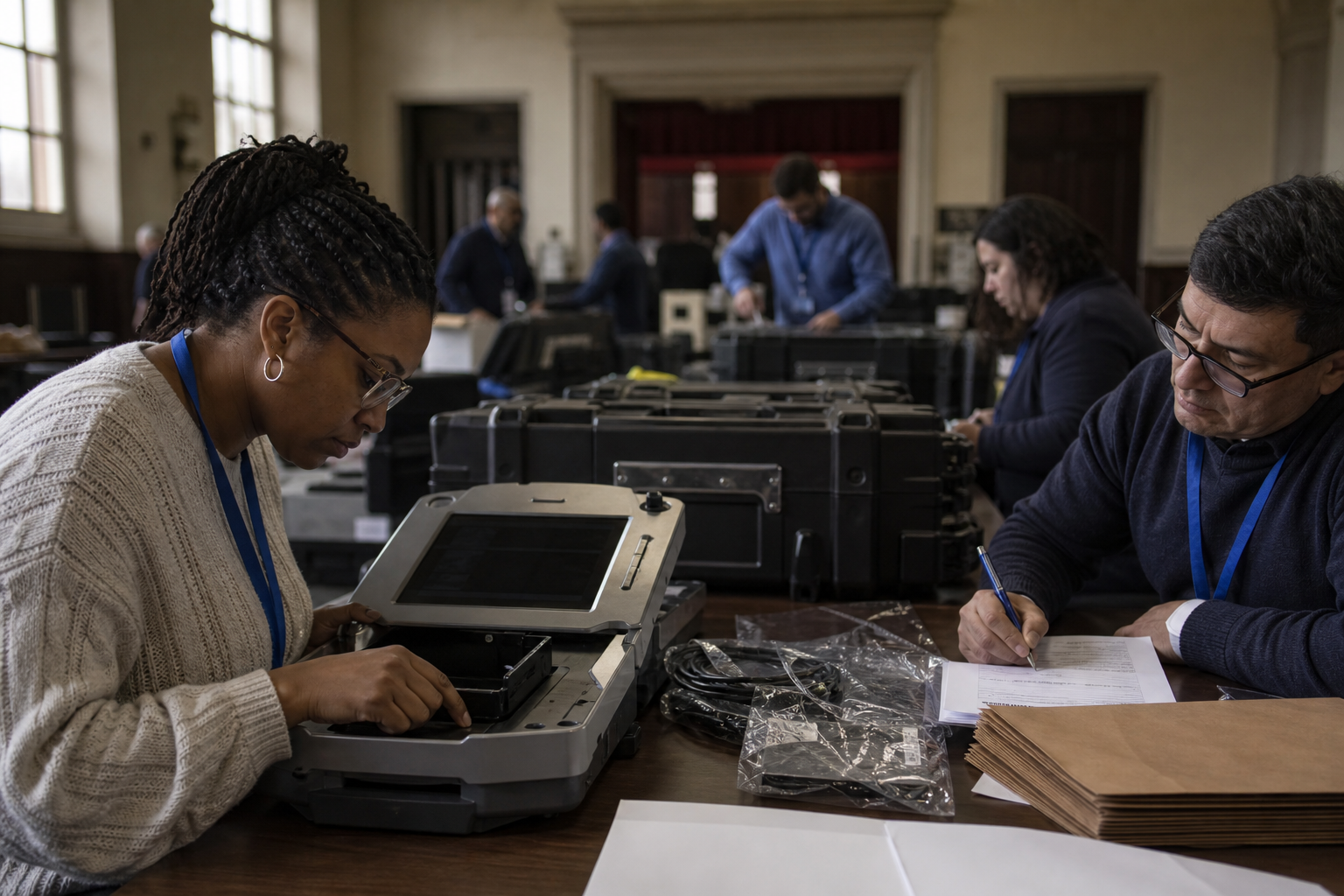
The operational foundation of any modern election rests on the procurement and deployment of technology. In Kenya, the legal framework governing electoral infrastructure requires strict compliance with public procurement laws to ensure credibility before voters cast a single ballot. (Citizen)
Disputes over electoral technology often emerge years ahead of a general election. Political figures frequently raise concerns regarding the awarding of multi-billion shilling contracts for voter identification and result transmission systems. Understanding how these systems are contracted, audited and verified provides necessary context when public debate turns to electoral integrity.
How Are Tenders Managed?
The Independent Electoral and Boundaries Commission (IEBC) manages all procurement of electoral hardware and software through the Public Procurement and Asset Disposal Act. Electoral technology must undergo structured bidding processes before any contract execution.
Legal guidelines mandate that major technology acquisitions feature open international tendering, public opening of bid documents and clear evaluation criteria. The commission evaluates bidders on technical capability, financial standing, security features and local capacity transfer.
Official clarification often becomes necessary when allegations surface regarding preliminary contracts.
Why Does Audit Matter?
Procuring election management software requires independent technical audits to verify system security. Public framework regulations dictate that hardware used for Biometric Voter Registration (BVR) and the Kenya Integrated Election Management System (KIEMS) must be tested against cyber threats and operational failures.
System verification involves multi-stakeholder testing, where political party agents and independent technical experts inspect the source code and infrastructure setup. Independent reviews ensure the software cannot be manipulated remotely and that backup transmission protocols meet statutory requirements.
Contractual safeguards also mandate that successful vendors provide continuous technical support while allowing local engineers full administrative oversight. This structure is designed to prevent vendor lock-in and retain sovereign control over critical national data.
What Happens Next?
As the electoral body prepares for future poll cycles, procurement timelines remain subject to strict statutory deadlines. Tenders for hardware maintenance, software upgrades and data centre management must be advertised well in advance of election day to permit legal review periods.
Unsuccessful bidders retain the right to challenge procurement decisions at the Public Procurement Administrative Review Board (PPARB) or the High Court. These judicial processes can pause procurement schedules, making early and transparent tendering critical to avoiding logistical bottlenecks close to polling dates.
The commission is expected to publish upcoming procurement notices for voter register maintenance and hardware servicing through official gazette notices and its public web portal. Public scrutiny of these tender documents remains the primary legal mechanism for establishing trust in the country's election machinery.