Behind the Process: How Presidential Taskforces Structure Security Reforms in Kenya
Understanding the legal mechanics, historical precedents, and administrative pipelines that dictate how security reform taskforces operate from initial gazettement to final implementation.
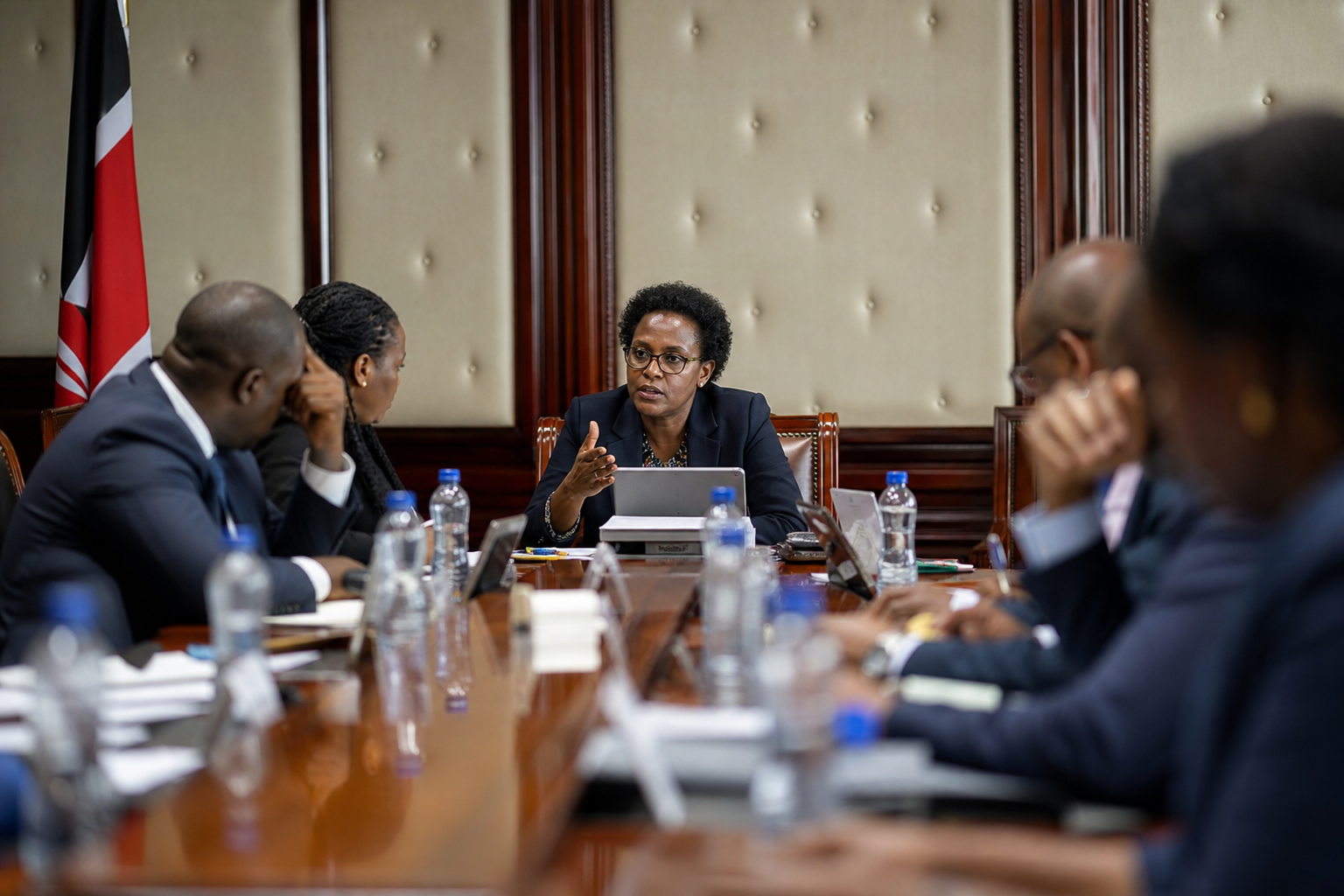
Presidential taskforces on security sector reforms follow a structured legal and administrative framework, moving from executive appointment to public consultations, technical review, and final presentation to the President.
The primary mechanics of these taskforces rely on executive authority under the President’s power to establish ad hoc advisory committees. Once gazetted, a taskforce receives specific terms of reference outlining its scope, timeline, and operational resources. In security matters, the panel conducts field public participation sessions across the country, collecting submissions from administrative officers, civil society organisations, police officers, and members of the public.
The technical phase involves data synthesis, policy evaluation, and legislative drafting. Experts attached to the secretariat examine existing statutes to draft legislative amendments meant to implement the recommendations. Upon completion, the final report is handed over to the Head of State, who decides whether to publish the document, refer the findings to Parliament, or create an implementation committee.
How Do They Function?
The national institutional memory for security sector changes in Kenya has been built through successive reform panels over the past two decades. Previous frameworks established key security bodies, including the Independent Policing Oversight Authority (Ipoa) and the National Police Service Commission (NPSC), following recommendations from earlier advisory groups.
The current review panel was appointed by Executive Order to assess the operational environment, welfare, and structural governance of internal security agencies. Chaired by retired Chief Justice David Maraga, the panel was tasked with evaluating terms of service across the administrative security apparatus, including salary structures, logistical support, and administrative accountability.
According to reporting by Citizen Digital, retired Chief Justice David Maraga has pledged to release the findings of the police reforms taskforce report following a three-year wait.
The transition from a finished report to institutional change depends entirely on the executive and legislative implementation channels. Historically, security reform blueprints are divided into administrative actions, which the executive can adopt through internal circulars, and statutory amendments, which require parliamentary approval.
What Slows Implementation Down?
The implementation pipeline encounters several systemic delays once a report is delivered to the executive. Administrative priorities, budgetary constraints, and legal processing within the State Law Office often lengthen the timeline between report submission and actual policy execution.
Financial allocations represent the primary hurdle for recommendations involving salary adjustments, equipment procurement, and infrastructure upgrades. Any proposals with budgetary implications must be aligned with the national budget process and approved by the National Assembly before financial implementation can begin.
Legislative changes require the drafting of bills, public participation, and parliamentary debate, which can extend the timeline over several financial years.
What Happens Next?
The upcoming release of the panel's report clears the administrative backlog, moving the proposals from the technical review phase to the public domain.
Once officially released, responsibility shifts to the National Treasury, the Ministry of Interior, and Parliament to review the recommended structural and financial frameworks. Observers will be monitoring whether the executive establishes a dedicated implementation committee to oversee the proposed changes, or integrates the reforms into existing ministerial channels.