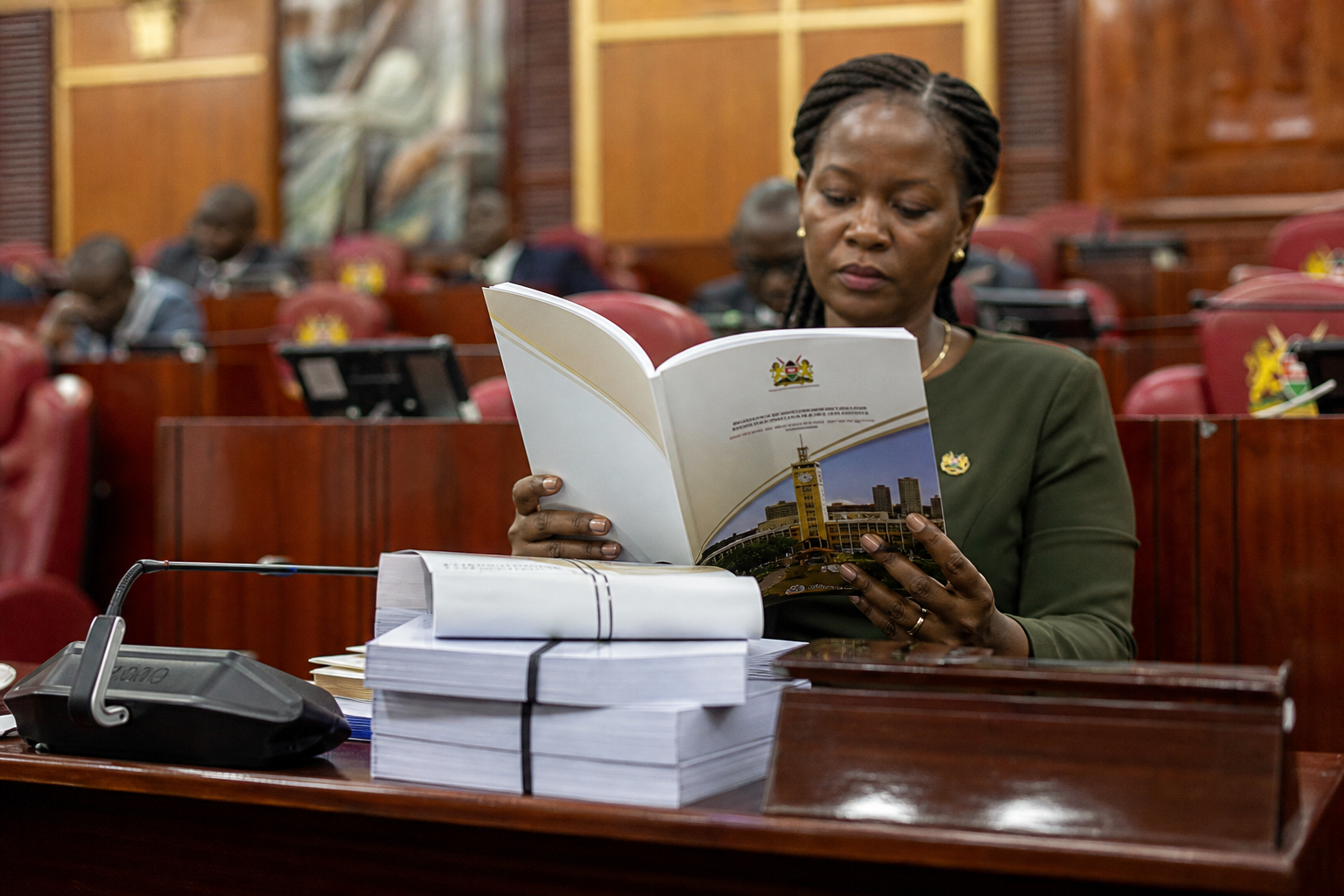
System Under Scrutiny: Why Education PS Was Grilled Over NEMIS Replacement
Education Principal Secretary Belio Kipsang has been questioned by lawmakers over the transition from NEMIS to a new digital system used to disburse school capitation funds.
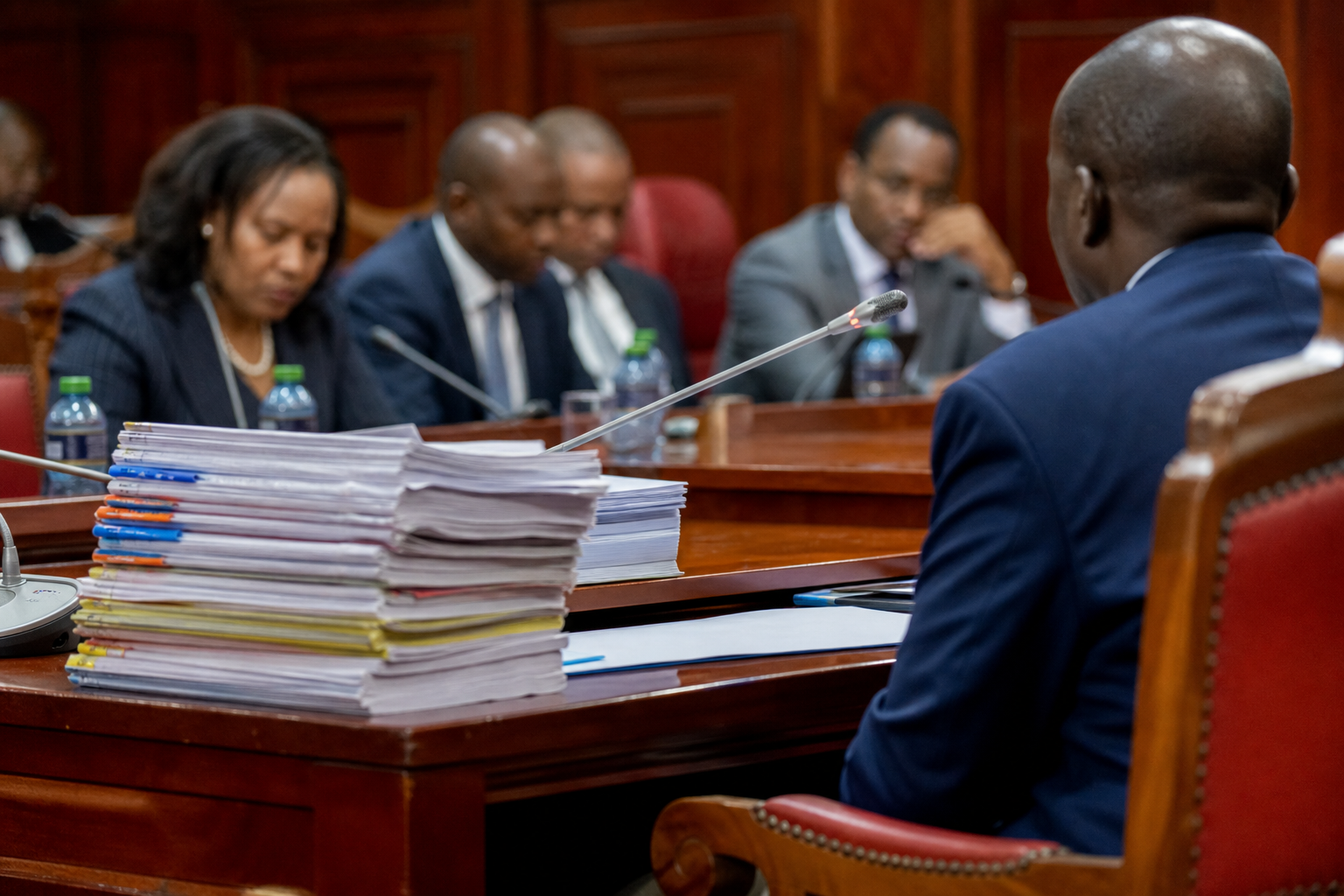
The Ministry of Education faced intense scrutiny in Parliament on Thursday as lawmakers questioned the shift from the National Education Management Information System (NEMIS) to a new digital tracking platform used to disburse school capitation funds.
Education Principal Secretary Belio Kipsang appeared before the National Assembly Public Accounts Committee to address audit queries regarding student data accuracy and the distribution of free primary and secondary education funds.
Members of Parliament raised concerns over how the system transition has been handled, warning that data discrepancies could lead to the loss of public resources or delay disbursements to public schools across Kenya.
Parliamentary committees have previously raised red flags over the management of capitation funds, pointing to instances where ghost schools and unverified student counts resulted in excess allocations. Lawmakers sought clarification on whether the new platform resolves historical vulnerabilities present in NEMIS or introduces fresh administrative bottlenecks for headteachers.
During the session, MPs questioned the technical readiness of the upgraded system and demanded assurances that every learner is properly captured before government funds are released. Committee members noted that rural schools with limited internet connectivity face significant hurdles when updating student records, which directly impacts their capitation disbursements.
Dr Kipsang defended the ministry's digital reforms, maintaining that the system overhaul is designed to eliminate duplicate entries, streamline verification, and ensure accountability in the management of billions of shillings allocated to basic education. The ministry maintains that accurate digital mapping remains the most effective tool to prevent financial leakages in the school capitation programme.
What Triggered Parliamentary Scrutiny?
The audit queries centered on discrepancies between physical headcount numbers and digital records across several public primary and secondary schools. Committee members highlighted cases where delayed system updates led to funding shortfalls for institutions, leaving school heads struggling to clear administrative and operational overheads.
Lawmakers questioned the rationale for replacing or modifying components of NEMIS, asking whether proper stakeholder public participation and technical testing were conducted prior to full rollout. The committee demanded a full breakdown of the expenditure incurred during the development and implementation of the replacement platform.
Why Does System Change Matter?
School capitation funds form the operational backbone of Kenya's public basic education sector, supporting tuition fees, instructional materials, and facility maintenance. Any system failure or data mismatch directly threatens daily school operations, leaving administrators unable to procure essential supplies or pay support staff.
The transition also affects parental planning and school admission tracking. When digital records fail to update promptly during student transfers, capitation funds remain tied to the former institution, creating financial friction for receiving schools.
How Will System Address Fraud?
The Ministry of Education has consistently argued that legacy data systems contained structural loopholes that allowed inflated student enrolment figures. By deploying an updated tracking framework, the ministry aims to validate learner identities using birth certificate numbers and national identification details of parents or guardians.
Dr Kipsang informed the committee that the revised digital framework strictly ties fund release to verified individual records rather than aggregate institutional estimates. The ministry asserts that this approach protects public funds from misallocation and ensures each learner receives their allocated capitation share.
What Happens Next?
The Public Accounts Committee directed the Ministry of Education to submit a comprehensive status report on the capitation tracking system within 14 days. The report must detail the total number of learners successfully verified, the status of outstanding capitation arrears, and measures put in place to support schools in remote areas with poor network coverage.
Parliamentary auditors are expected to conduct spot checks on selected schools to compare digital system records against physical attendance registers before the committee compiles its final report for consideration by the National Assembly.