A Major Shift: Why Trump Ordered Lake Ontario Renamed Lake America
US President Donald Trump has issued an executive order directing federal agencies to rename Lake Ontario as Lake America, triggering administrative and diplomatic questions over the shared international body of water.
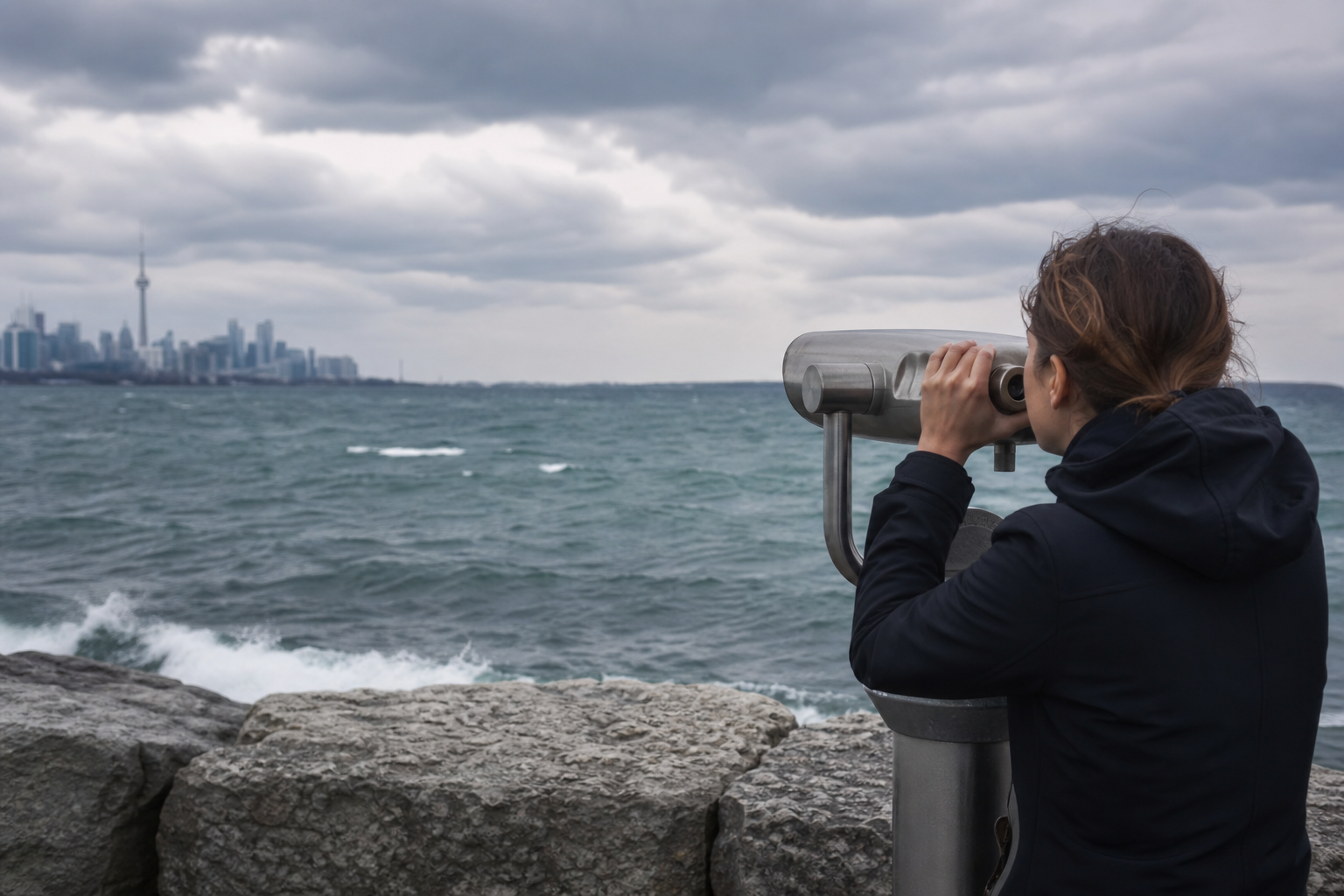
The presidential action targets one of the five Great Lakes shared between the United States and Canada, raising immediate questions regarding international maritime boundary agreements and diplomatic protocols between the two neighbouring nations.
While the White House maintains the designation applies to federal documentation and domestic usage, the move marks a significant departure from centuries of established geographical naming conventions across North America.
What Happened?
The executive order instructs the US Board on Geographic Names and executive departments to update official maps, federal databases, and maritime charts to reflect the new designation.
Lake Ontario forms a critical component of the Great Lakes system, providing a natural border between the US state of New York and the Canadian province of Ontario. It serves as a major commercial shipping lane via the Saint Lawrence Seaway and supports a regional economy valued in the billions of dollars.
Domestic executive orders signed by a US president hold legal authority over federal administrative bodies within American jurisdiction. However, international bodies and foreign governments maintain their own sovereign geographic naming systems.
How Has Canada Responded?
The proposal to unilaterally alter the name of a shared international body of water presents immediate legal and diplomatic hurdles. Under international law, geographic features shared across sovereign borders are governed by bilateral agreements and established cartographic standards.
Canadian officials have historically resisted unilateral changes to shared border features, relying on established joint commissions to handle boundary and water management issues.
The Great Lakes are jointly managed under several bilateral treaties, including the Boundary Waters Treaty, which governs water rights and environmental management along the US-Canada frontier.
Why Does It Matter?
Renaming major geographic features involves extensive administrative costs for logistics, aviation, maritime transport, and commercial cartography. Federal agencies in the US will be required to update navigational charts, safety documentation, and digital mapping infrastructure.
Shipping lines operating within the Great Lakes trade corridor rely on unified international naming systems to ensure safety and regulatory compliance across borders.
Commercial operators navigating between US and Canadian ports face potential administrative complications if federal agencies in Washington enforce a name that is not recognised by Canadian maritime authorities or international Hydrographic organisations.
What Happens Next?
The implementation of the executive order will depend on how federal agencies interpret and execute the administrative directive. Legal challenges regarding the scope of executive authority over geographic naming conventions could also emerge in US federal courts.
Diplomatic discussions between Washington and Ottawa are expected to address the practical implications of the order on shared border administration.
Unless Canada formally adopts the same terminology within its own jurisdiction, the body of water will likely bear two distinct official designations depending on which side of the international maritime border a vessel is operating.