Governance Under Strain: How Local Political Disputes Impact Regional Development
Persistent political disputes at the local level continue to destabilise governance, delaying vital infrastructure projects and disrupting essential public services.
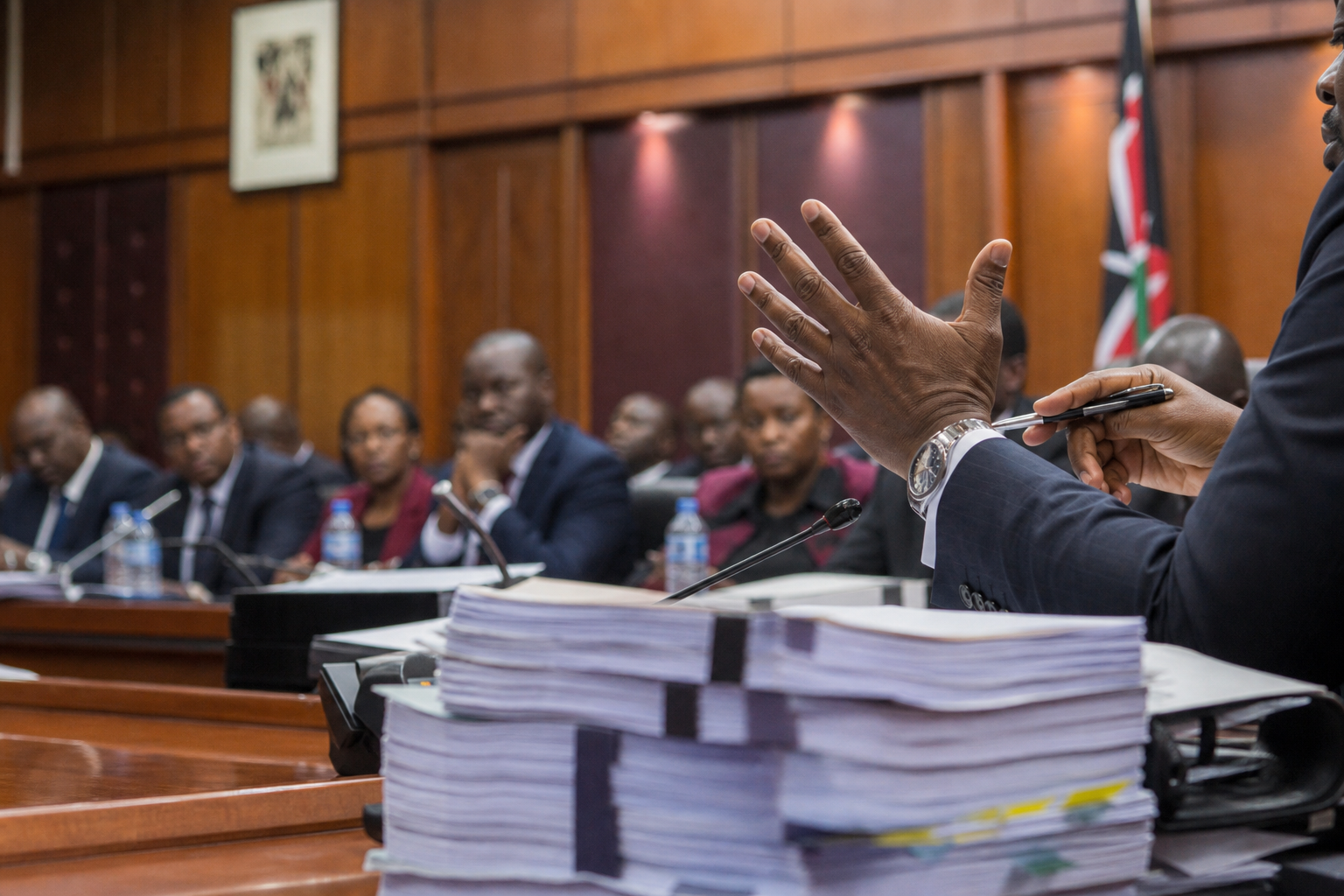
Local political friction frequently exacts a heavy toll on civic institutions, shifting attention away from administrative service delivery and onto partisan survival. Across democratic systems, governance experts point out that sustained confrontation between competing political factions can derail long-term infrastructure planning and erode public trust in government structures.
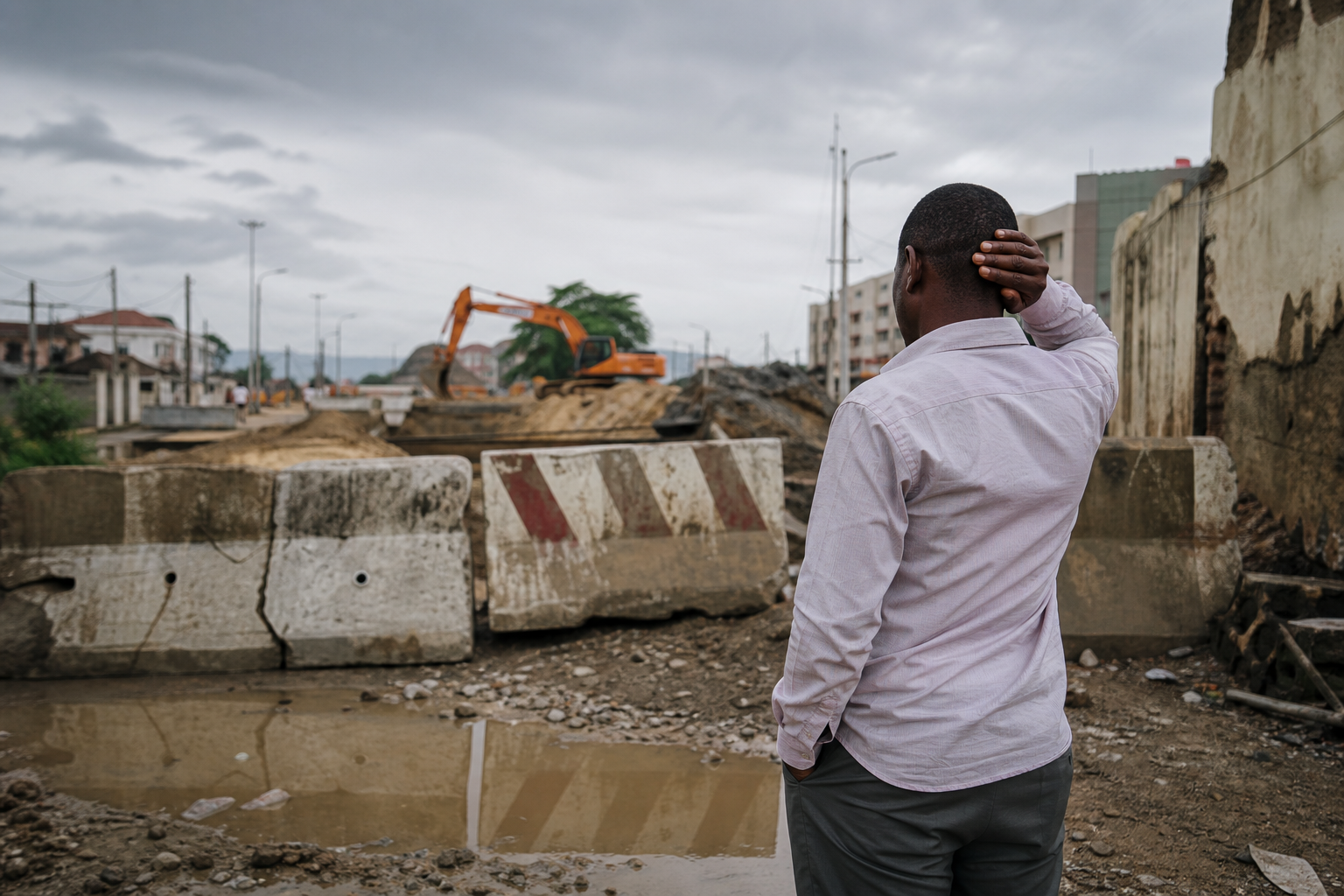
When local leadership becomes embroiled in ongoing disputes, regional development projects often face significant delays. Municipal budgets and policy frameworks require stable legislative environments to function effectively. Without consistent administrative focus, critical sectors such as infrastructure development, civic planning, and public resource allocation risk prolonged stagnation.
Institutional friction also impacts investor confidence. Economic analysts note that political volatility at the local level introduces regulatory uncertainty, making private capital hesitant to commit to regional commercial projects. This dynamic can suppress local economic growth and limit job creation in surrounding communities.
What Drives Instability?
Political scientists observe that local governance breakdown often stems from competing electoral interests and weak institutional guardrails. When political actors prioritize tactical advantage over legislative duties, municipal assemblies frequently experience deadlock, preventing the passage of vital local laws and budgetary allocations.
Furthermore, public discourse becomes increasingly polarized during periods of prolonged political rivalries. Media reports across East Africa show how partisan disputes frequently draw focus away from pressing economic issues, leaving local authorities unable to address basic service delivery gaps.
For instance, ongoing legal and political disputes involving high-profile public figures regularly absorb significant administrative energy. Coverage by The EastAfrican highlights how prominent opposition leader Tundu Lissu continues to battle treason charges in court, a case he has characterized as a targeted political prosecution, reflecting broader institutional tensions within regional legal and political systems.
How Are Services Affected?
When municipal governance degrades, the immediate consequences are felt directly by residents. Essential services, including public sanitation, local road maintenance, and community health programs, depend on uninterrupted administrative management and timely funding disbursements.
Disrupted administrative oversight leads to inefficiencies and resource leakage. When local councils fail to maintain proper oversight mechanisms due to political distraction, the risk of mismanagement increases across public procurement departments.
In addition, civil servants working within unstable political environments often experience operational paralysis. Uncertainty surrounding executive leadership can halt daily decision-making processes, leaving administrative personnel reluctant to execute major projects without clear policy direction.
What Are the Implications?
The broader consequences of local political instability extend beyond immediate municipal boundaries. Persistent governance failures at the sub-national level can weaken national economic performance and complicate regional integration efforts.
Economic analysts emphasize that stable local governance is essential for attracting sustainable foreign direct investment. When local administrative systems appear fragile or unpredictable, international partners are more likely to seek alternative markets with greater regulatory stability.
Restoring stability requires strengthening local democratic institutions and enforcing institutional accountability mechanisms. Governance advocates argue that establishing clear legal frameworks and prioritizing transparent public administration are critical steps toward protecting local development from political disruption.
What Happens Next?
Observing how administrative bodies handle political friction will remain a key indicator for regional stability moving forward. Policy analysts will closely monitor whether local institutions can maintain operational independence during intense political rivalries.
The ability of municipal governments to isolate essential service delivery from electoral disputes will determine the long-term economic resilience of local communities. Institutional reforms aimed at reinforcing transparency and accountability will likely stay at the center of governance debates across the region.