Farming the Volatility: How Climate Cycles Shape East Africa’s Food Markets
IN BRIEF
Global climate shifts are driving severe economic disruptions across East African food markets, where extreme weather wrecks harvests, damages transport routes, and inflates commodity prices.
Read on for the full picture
Global weather shifts are creating compounding economic pressures across regional food systems, leaving markets vulnerable to extreme weather events that destroy harvests and disrupt critical transport routes.
When extreme weather hits agricultural hubs, the economic fallout extends far beyond initial crop damage. Torrential rains and prolonged droughts undermine supply networks, drive up retail commodity prices, and severely weaken rural livelihoods dependent on predictable seasonal harvests.
In East Africa, the vulnerability of agricultural logistics means weather shocks quickly translate into localized market volatility. Infrastructure damage to rural transit roads halts the distribution of produce, creating artificial shortages in urban centres while regional food processors struggle with unstable raw material pipelines.
What Drives Market Volatility?
Extreme weather disruptions alter wholesale prices and disrupt regional supply chains. Unseasonal heavy rainfall destroys standing produce, damages farm infrastructure, and floods low-lying transport links. This leaves distribution networks unable to move yields efficiently from farms to consumer markets.
At the same time, regional institutions and international bodies are ramping up financial interventions to fortify resilience against volatile weather trends.
These adaptation funds aim to strengthen local infrastructure, protect biodiversity, and help rural communities adapt to unpredictable weather patterns. However, systemic supply risks remain acute when extreme weather strikes major transport routes and farming zones simultaneously.
How Do Global Weather Cycles Interact?
Global atmospheric disruptions continue to reshape environmental stability in vulnerable landscapes.
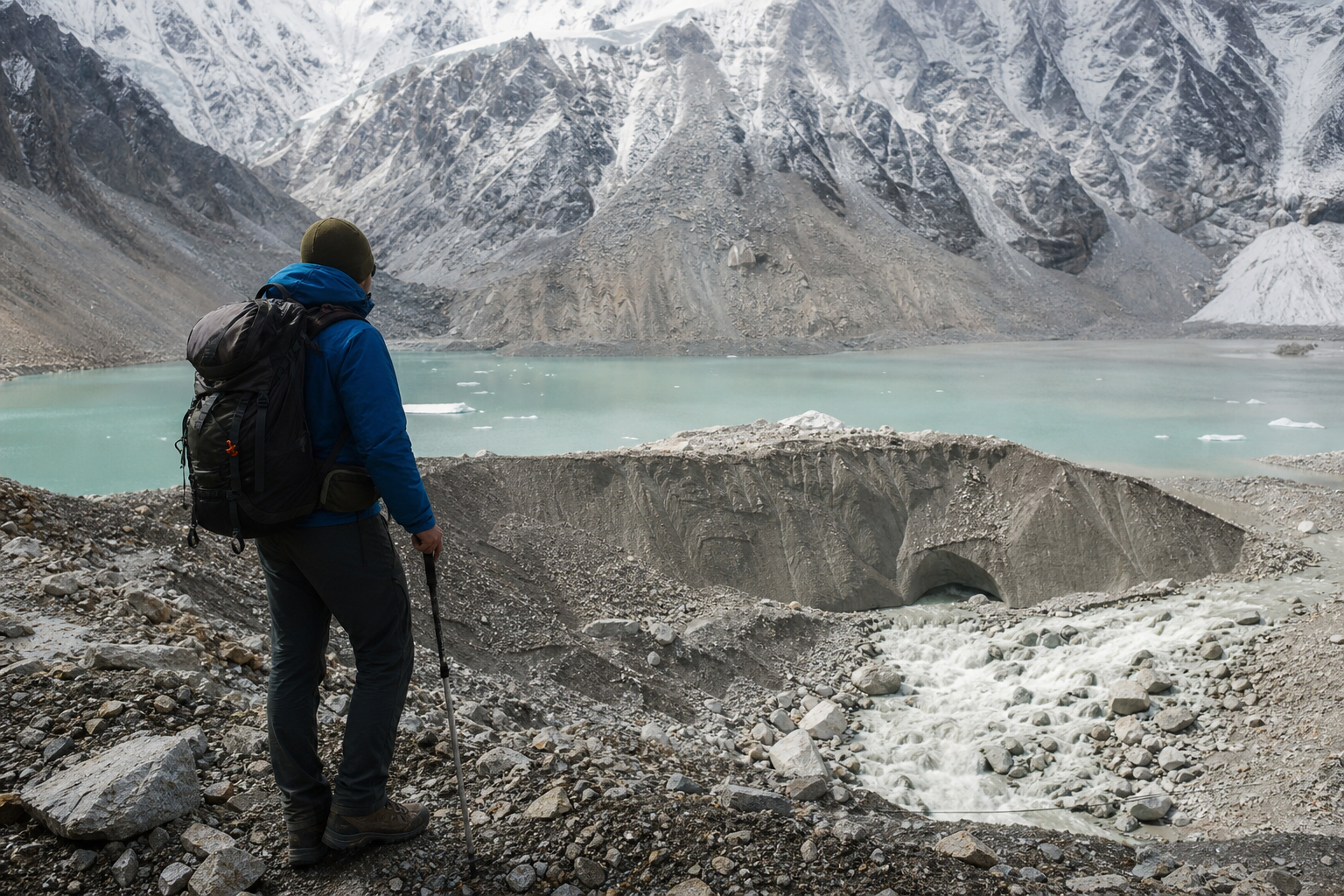
These environmental disruptions extend to fragile high-altitude ecosystems, where rising temperatures and intense precipitation destabilize soil and infrastructure. Global climate experts warn that extreme weather shifts are increasingly destabilizing vulnerable mountain regions, increasing the risks of flash flooding and severe landslides that cut off critical transport corridors.
When mountain waterways overflow, downstream agricultural zones face catastrophic inundation. Topsoil erosion strips vital nutrients from productive fields, while destroyed bridges and washed-out roads isolate farming towns from national wholesale distribution networks.
Who Bears The Cost?
Smallholder farmers and low-income urban households carry the heaviest financial burden during climate-induced supply shocks. For rural producers, lost harvests mean lost income alongside the added cost of repairing damaged land and farm buildings.
In urban consumer markets, reduced food supply immediately inflates retail prices for staple commodities. Logistics companies face rising operational expenses as vehicles navigate damaged transport links or detour around destroyed infrastructure, costs that are ultimately passed down to retail buyers.
While capital investments like environmental adaptation funds offer long-term support for resilience, short-term volatility continues to threaten household budget stability across the region.
What Happens Next?
Regional governments and international environmental organizations are focusing on long-term climate adaptation strategies, early-warning weather forecasting, and resilient infrastructure development.
Policy priorities are shifting toward fortifying transport networks against flooding and expanding agricultural insurance options for rural producers. Building resilient food distribution systems remains essential to stabilizing commodity markets as severe weather events become more frequent.