Under Pressure: How Europe’s Energy Grids Are Navigating Water Shortages
Managing national infrastructure during extreme environmental stress has forced European energy operators and water authorities to overhaul conventional operational frameworks as drought conditions strain thermal and hydroelectric generation.
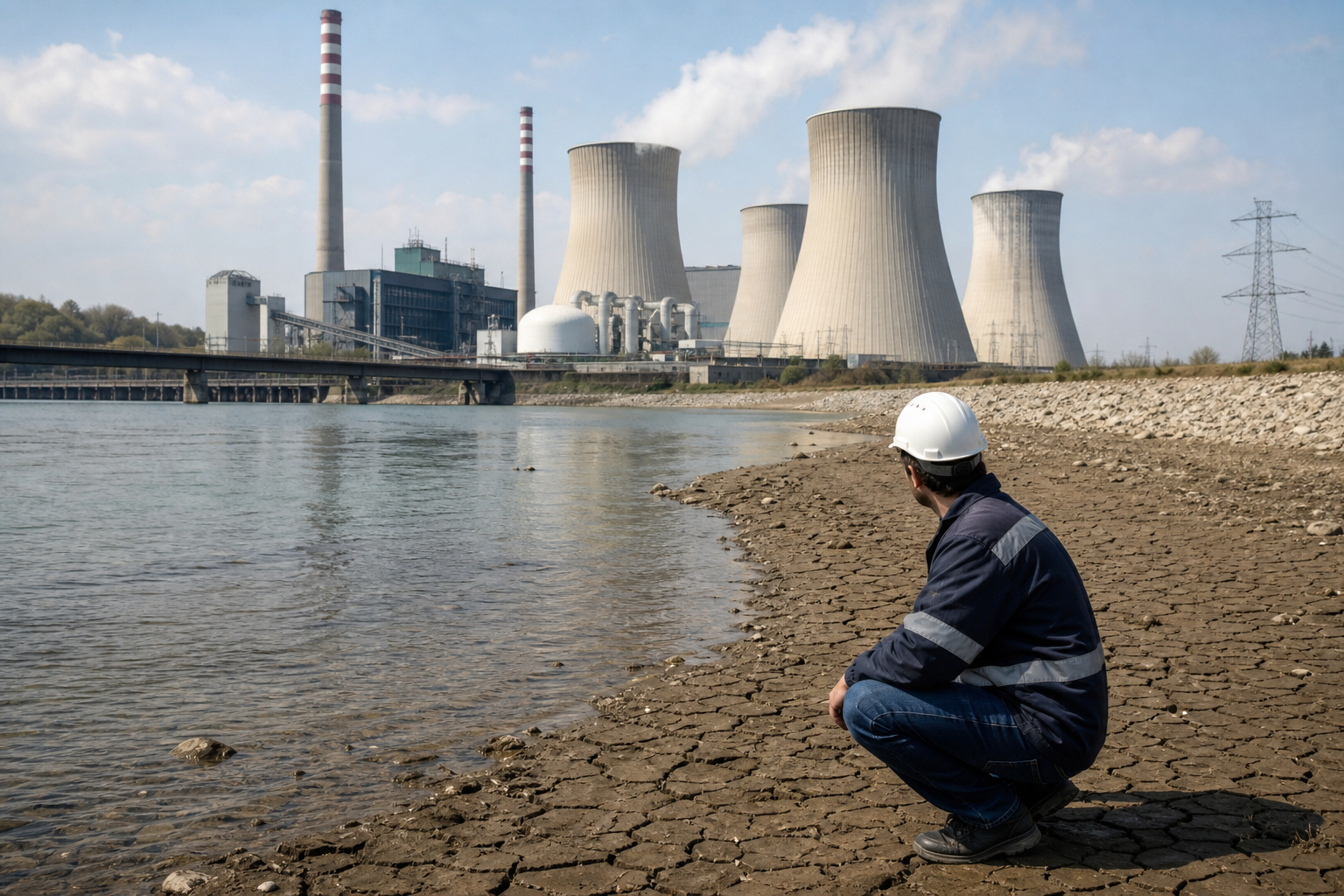
Managing national infrastructure during extreme environmental stress has forced European energy operators and water authorities to overhaul conventional operational frameworks.
Extended periods of reduced rainfall and high temperatures across the continent are placing severe strain on conventional power generation and agricultural water allocations.
Thermal power plants, including nuclear and coal-fired facilities, rely heavily on river systems for cooling operations. When river flows drop and water temperatures rise above environmental thresholds, plant operators face mandatory limits on cooling intake to protect aquatic ecosystems. This restriction forces utilities to reduce generation capacity or purchase costly supply from regional interconnectors.
Hydroelectric generation faces a direct impact as reservoir levels drop in major mountain catchments. Reduced water volumes restrict baseline power output, forcing grid operators to adjust daily dispatch strategies and balance supply using regional power trading networks.
How Does Grid Security Adapt?
National electricity networks across Europe manage water scarcity through cross-border trading and grid integration. When river levels restrict cooling capacities at inland power stations, transmission operators import power from regions with surplus renewable generation, such as coastal wind farms or solar installations.
Thermal power facilities often deploy closed-loop cooling circuits or dry-cooling towers to mitigate reliance on surface water intake. While these structural adaptations reduce direct water consumption, they carry higher capital costs and reduce the net efficiency of the generation plant.
Grid managers must coordinate water usage between energy providers and municipal supply systems. During prolonged operational stress, statutory prioritisation frameworks determine how water resources are allocated among competing industrial, agricultural and civilian requirements.
What Governs Water Allocation?
Water rights in most European jurisdictions operate under regulated abstraction licensing regimes. Government agencies set abstraction limits based on seasonal hydrological forecasting and critical river flow thresholds.
When flow rates drop below statutory trigger points, environmental regulators issue formal reduction orders to commercial abstractors. Power utilities and agricultural enterprises must scale back operations or apply for emergency abstraction permits where public service continuity is at risk.
Agricultural users, who consume substantial volumes for crop irrigation, often bear immediate operational limits during severe dry spells. These legal adjustments force farming enterprises to invest in high-efficiency drip irrigation, closed storage basins and water-sharing arrangements.
Why Do Market Prices Shift?
The convergence of reduced hydroelectric capacity and thermal generation constraints creates volatility in spot electricity markets. Peak demand during hot periods, driven by cooling requirements, coincides with constrained domestic supply, pushing wholesale energy prices higher.
Energy traders monitor river level monitoring points and thermal discharge regulations to predict generation outages. Grid operators rely on spot purchases across regional energy exchanges to compensate for shortfalls, passing the underlying costs through to commercial and industrial consumers.
Cross-border power interconnectors act as a key balancing tool during localized hydrological crises. By shifting energy across international boundaries, transmission systems prevent localized shortfalls from turning into systemic supply disruptions.
How Are Utilities Planning Ahead?
Long-term utility planning emphasizes structural independence from high-volume surface water abstractions. Power generation companies are directing capital investment toward dry cooling technology, wastewater reuse for industrial cooling, and expanded battery storage installations. Water management bodies are updating allocation frameworks to account for shift-based environmental patterns.
Legal frameworks governing river basin management are shifting toward dynamic, real-time allocation systems that adjust permitted abstraction volumes daily based on digital sensor readings. Meanwhile, global climate policy continues to reshape how international financial bodies support environmental resilience.