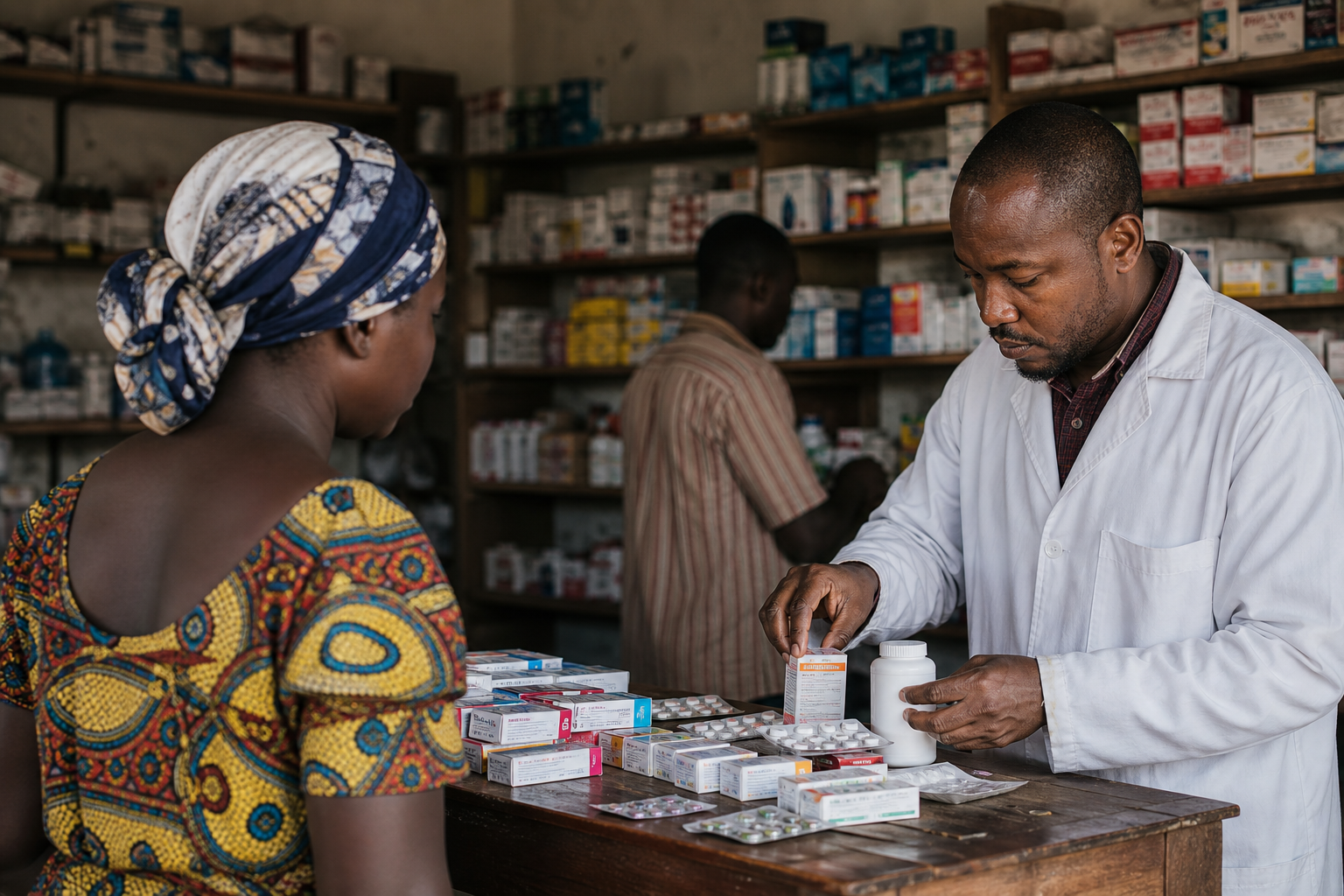
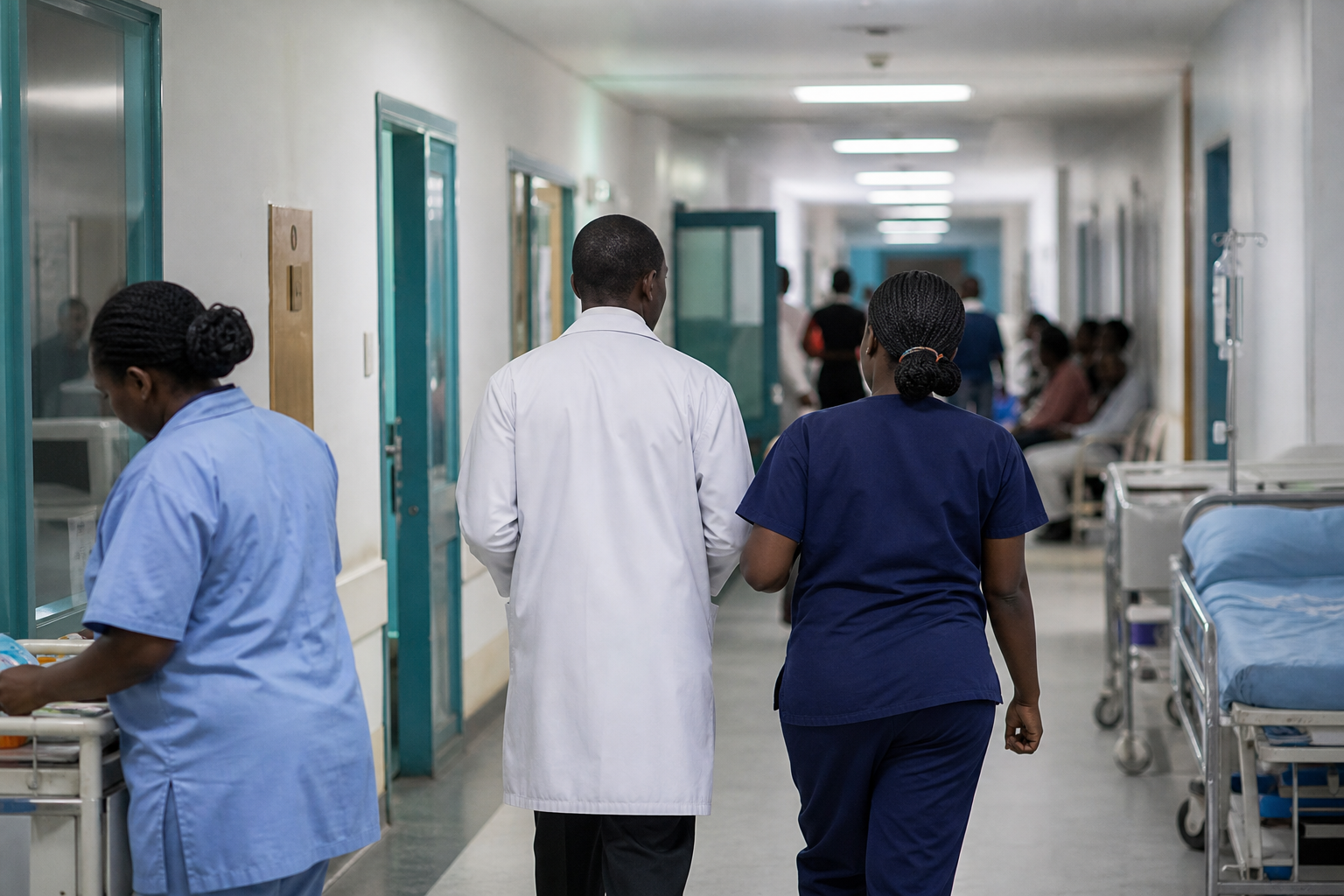
A System Shift: Why the WHO Is Reforming Global Health Governance
The World Health Organization is moving to overhaul global health architecture, targeting structural inequities and shifting greater operational authority to regional health bodies.
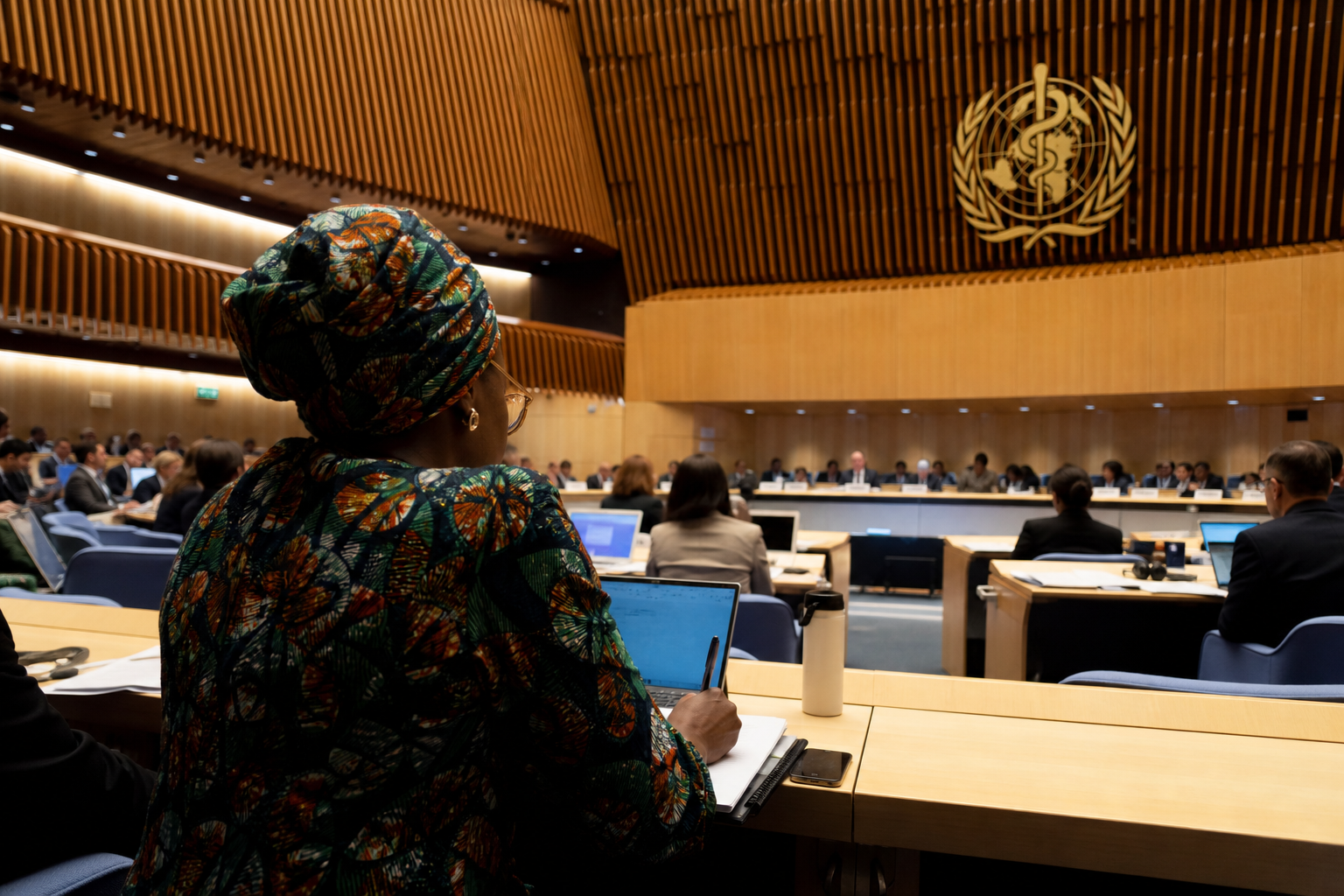
The World Health Organization is advancing efforts to overhaul the framework governing international public health emergencies. The initiative targets longstanding gaps in how global health crises are detected, coordinated and funded across different continents.
International health systems faced severe pressure during recent pandemics, revealing structural inequalities between high-income countries and developing regions. African public health institutions have consistently called for a decentralised model that grants regional bodies greater autonomy and direct resource allocation.
The proposed adjustments focus on operational readiness, data sharing and equitable distribution of medical resources.
What Is Changing?
The structural shifts aim to streamline decision-making processes during health emergencies. Historically, bureaucratic delays between global headquarters and regional offices slowed the delivery of critical medical supplies and financial aid.
By empowering regional hubs, health officials intend to cut response times for localized outbreaks before they spread globally. This includes direct support for local manufacturing of vaccines and diagnostic tools across Africa.
Public health leaders have emphasized that governance reforms must address financial sustainability. Many developing nations rely heavily on external grant cycles to fund essential health services, leaving them vulnerable during systemic economic shifts.
Why It Matters?
African nations bear a disproportionate share of the global disease burden, yet regional institutions have historically lacked equal voting power in setting global health priorities. Stronger regional representation ensures that context-specific challenges, such as vector-borne diseases and neglected tropical conditions, receive appropriate funding.
The reform process also aligns with broader calls for health data sovereignty. Under updated frameworks, member states will have clearer protocols for managing and sharing health data without compromising national oversight.
Improving local infrastructure reduces reliance on emergency foreign assistance, creating a more resilient safety net for communities across the continent.
Who Is Affected?
The reforms impact national ministries of health, regional public health agencies, and international funding bodies. Local health departments will gain streamlined access to technical guidance and emergency stockpiles during local outbreaks.
Patients and local communities stand to benefit from faster response times and reliable access to essential medicines. Strengthening primary healthcare systems remains a central focus of the revised governance framework.
Non-governmental organizations and international partners will need to adapt their operations to support region-led strategies rather than relying on top-down program delivery.
What Comes Next?
Member states will continue consultations to finalize operational guidelines and accountability measures. Further debates will focus on securing predictable funding mechanisms to sustain regional health hubs over the long term.
Health ministers across East Africa and the broader continent are expected to review the draft commitments at upcoming regional committee meetings. Implementation of the initial operational updates will progress in phases throughout the coming year.