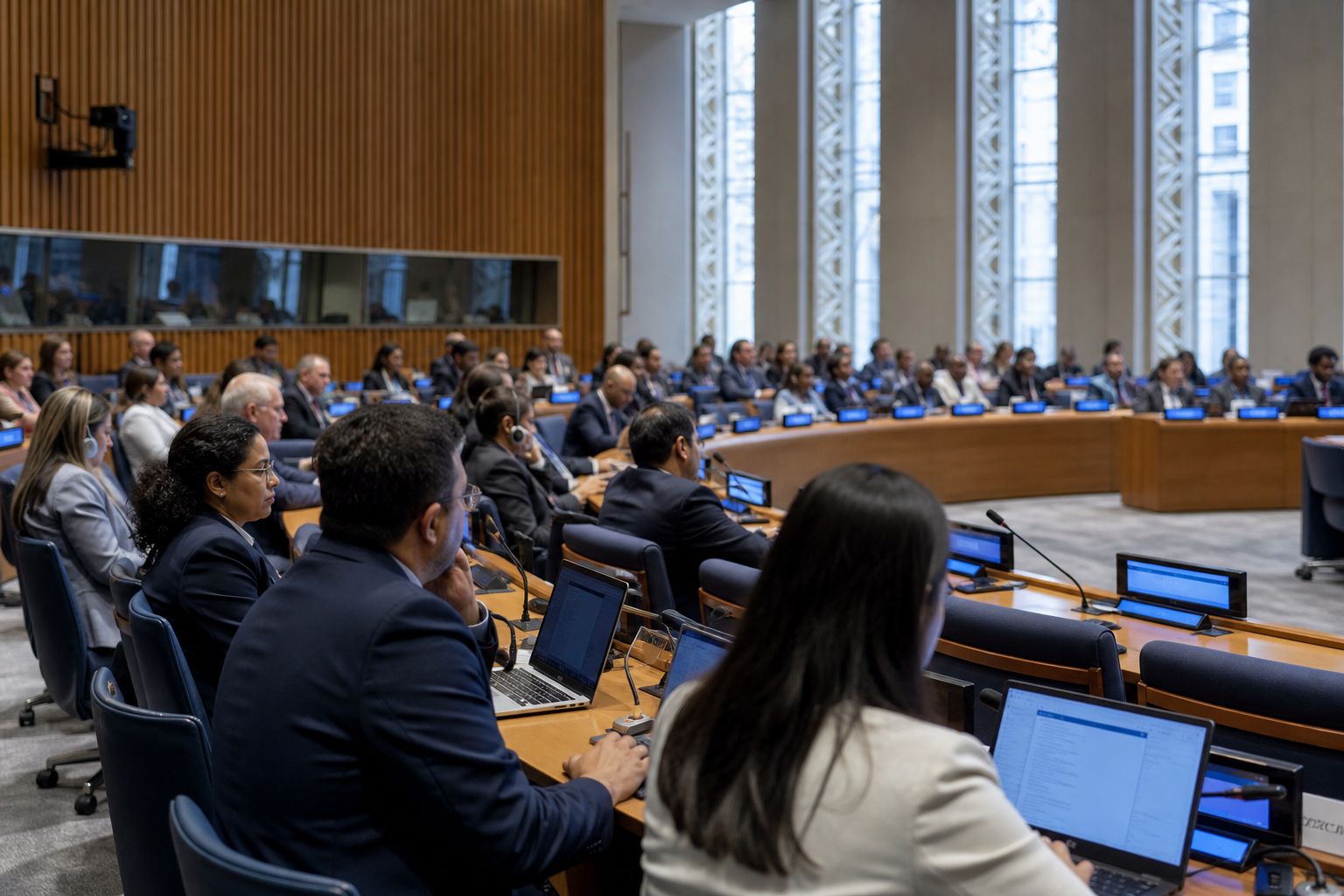
Building Resilience: Pacific Health Leaders Set Digital System Roadmap
Pacific health ministers have advanced new recommendations to build resilient, digitally integrated health systems designed to withstand climate shocks and geographic isolation.
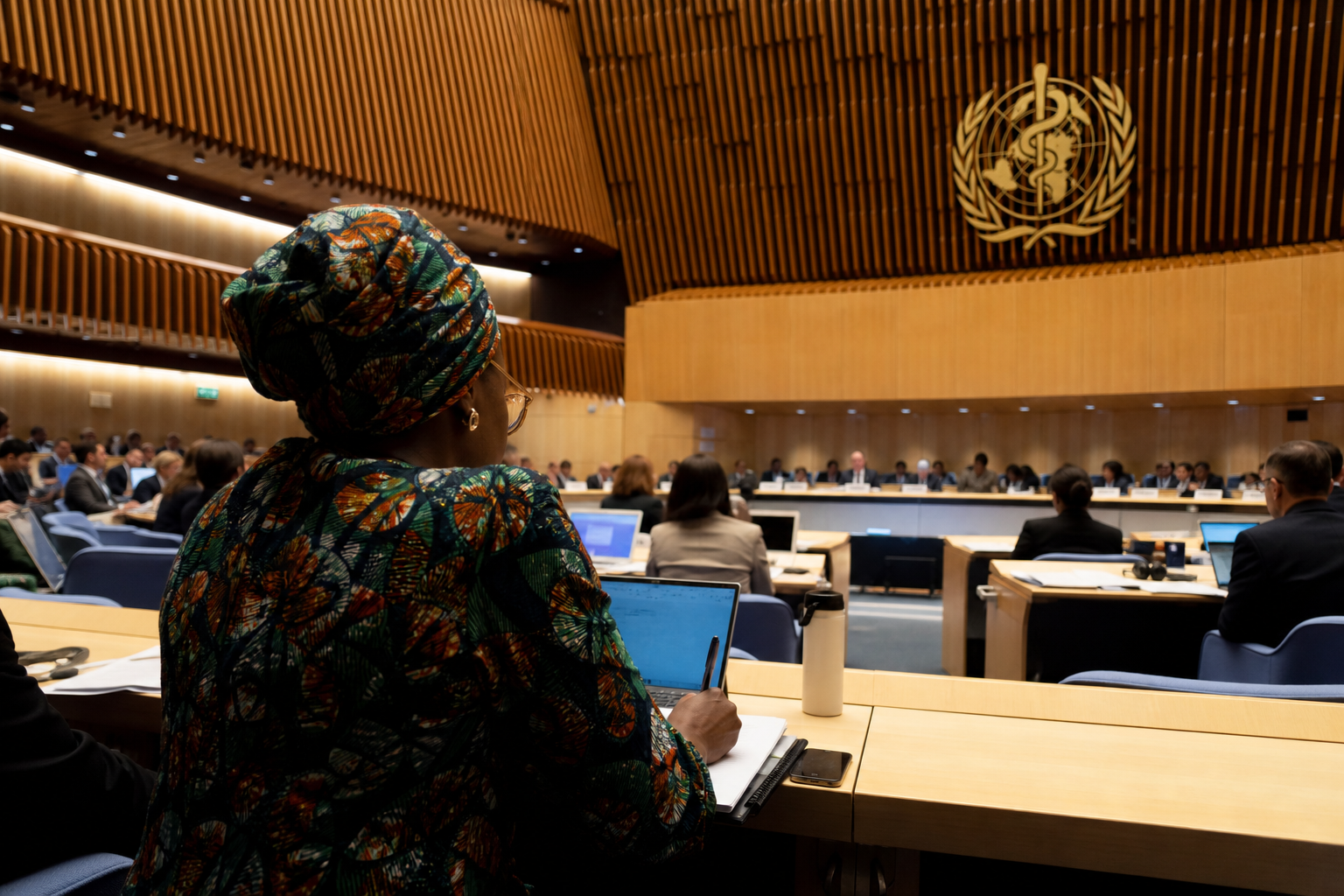
Pacific health ministers and delegates have advanced key recommendations to modernise healthcare infrastructure across the region, focusing on digital tools and system resilience. Meeting under the auspices of the World Health Organization, regional health leaders examined measures to integrate digital technology into local clinical care and disease surveillance.
The discussions addressed long-standing geographical barriers and climate-related risks that routinely disrupt medical services across island nations.
What Changed?
The consensus focuses on establishing unified digital health frameworks across small island developing states. Delegates agreed that integrating electronic health records, remote consultations, and automated reporting systems is essential to maintaining service continuity during climate emergencies.
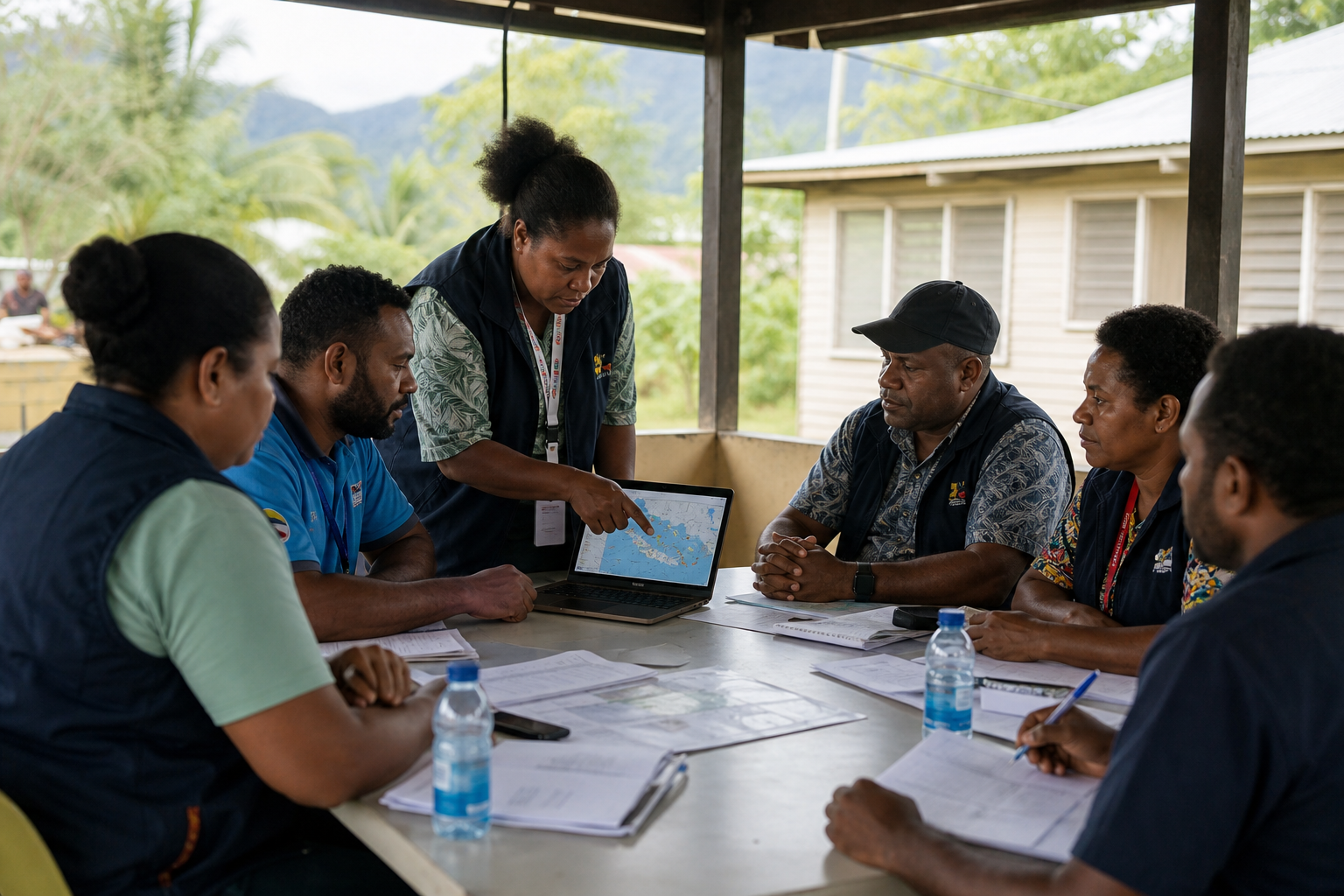
The framework prioritises secure data networks to link isolated dispensaries with central referral hospitals, ensuring patient details remain accessible during severe weather events or public health threats. Leaders also reviewed protocols to standardise digital health tools across different Pacific jurisdictions.
Why It Matters
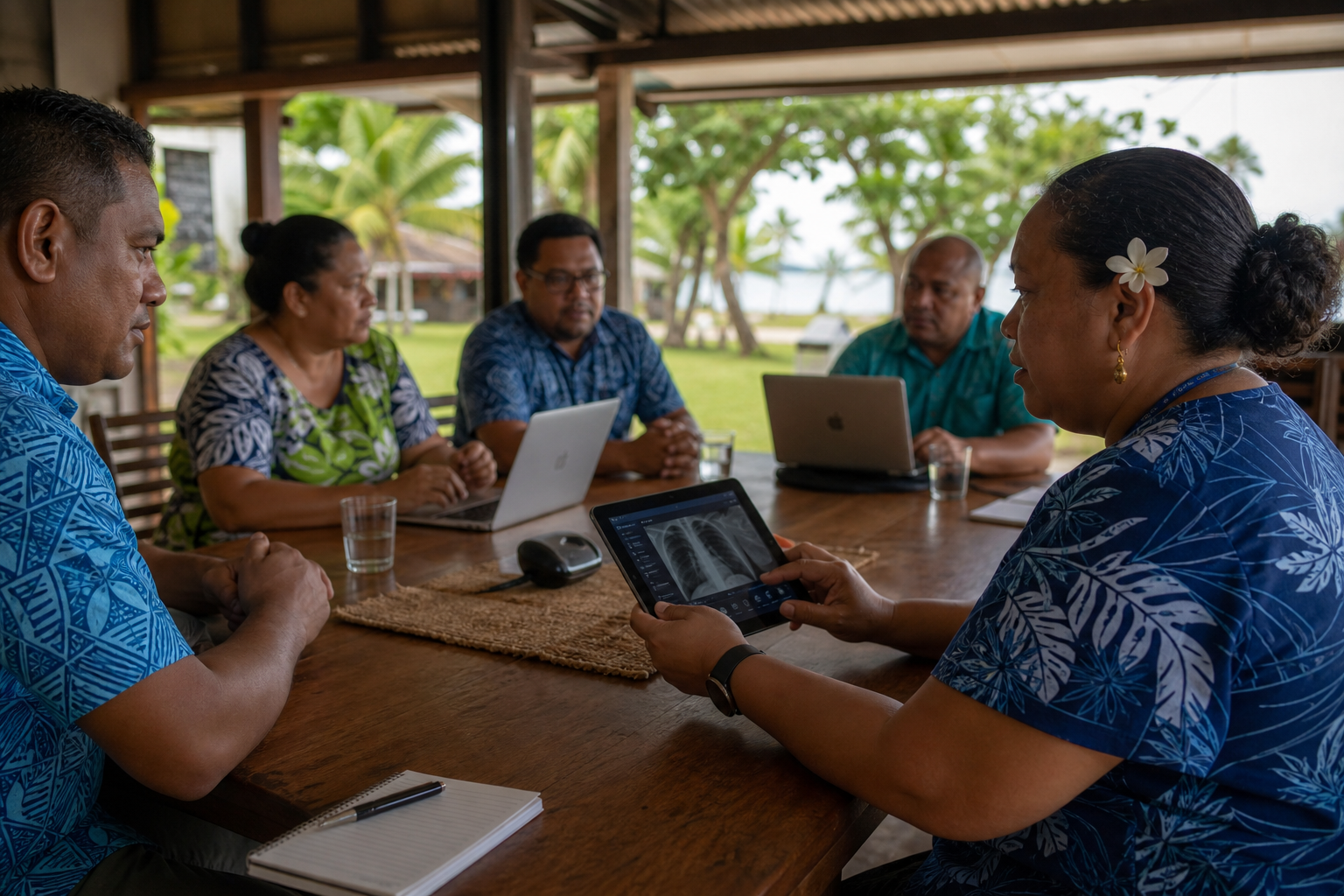
Pacific health delivery remains vulnerable to geographic isolation, high transport costs, and extreme weather events that frequently damage physical infrastructure. The push to adopt digital health solutions aims to bridge distance barriers, allowing clinicians to manage chronic illnesses remotely and diagnose conditions faster without transferring patients overseas.
For small island health ministries operating with constrained budgets, shared digital platforms offer a cost-effective method to streamline medicine supply chains and track outbreak data in real time.
Who Is Affected?
The policy directives target healthcare administrators, frontline clinical staff, and rural island communities that currently experience limited access to specialist care.
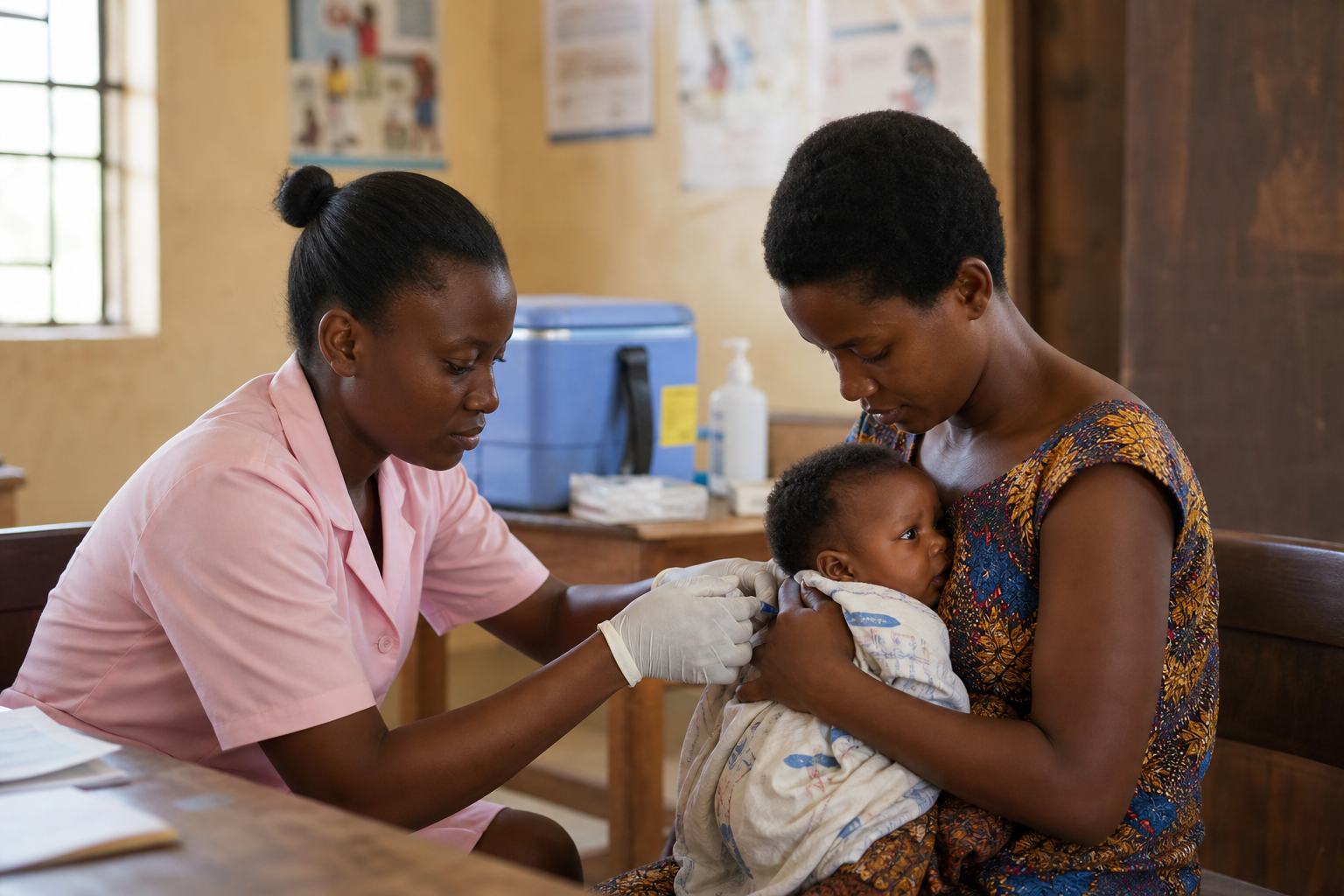
Medical practitioners across peripheral clinics stand to gain enhanced diagnostic tools and direct lines to specialist consultation networks. Patients in remote areas will benefit from reduced travel times and faster access to primary treatments as digital systems roll out across local health centers.
What Happens Next?
Individual health ministries will begin adapting the WHO recommendations into their national strategic plans and local regulatory frameworks. Regional technical teams will oversee the pilot deployment of digital platforms, while international development partners assess funding options to support bandwidth expansion and clinical training. Participating governments are scheduled to present progress reports and technical benchmarks at the next regional health summit.