A Major Milestone: Why Papua New Guinea Is Evaluating Its Health Security
Papua New Guinea has initiated its first Joint External Evaluation to assess its national health security capacities and strengthen public health emergency preparedness.
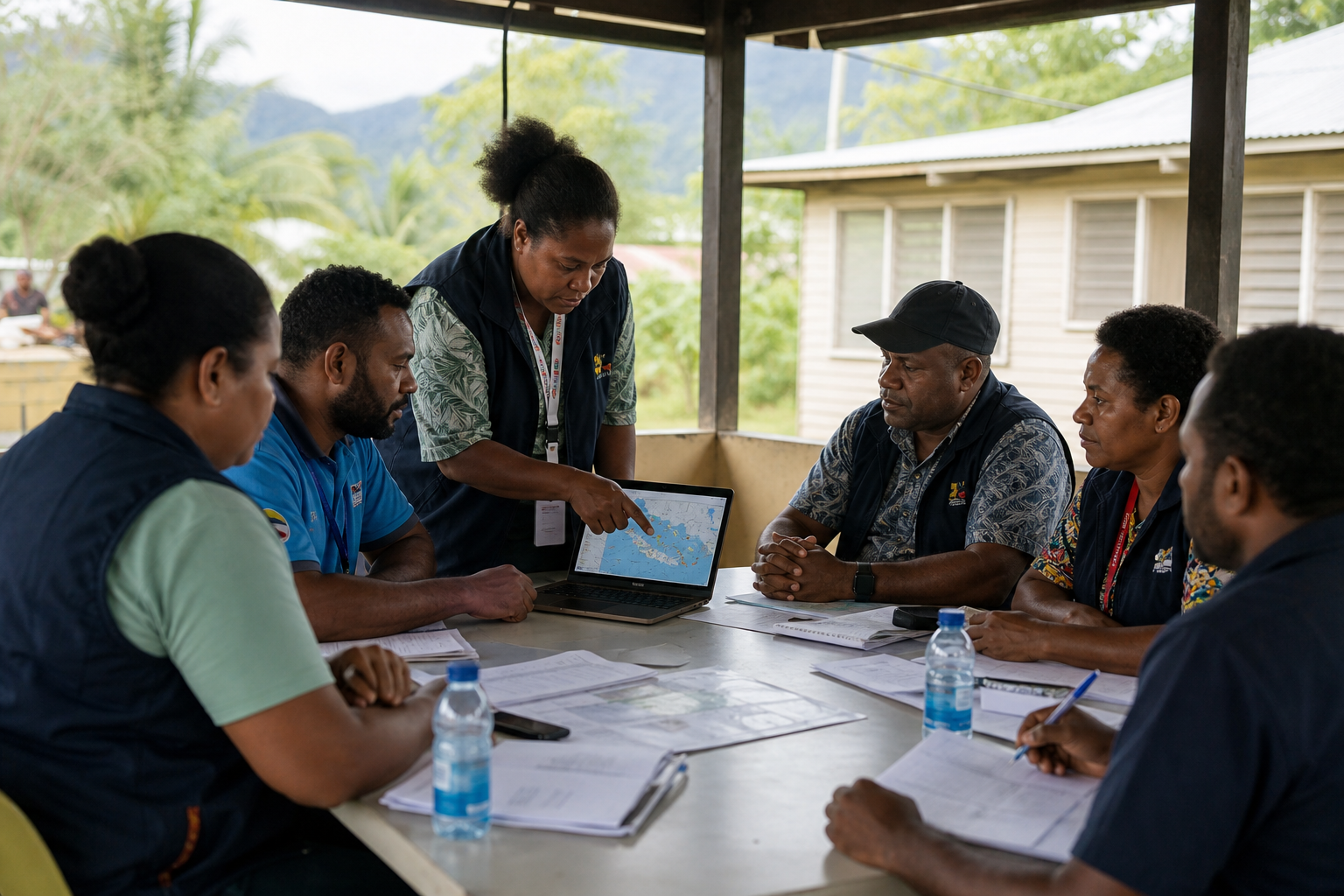
Papua New Guinea is undertaking its first Joint External Evaluation to review its core public health capabilities under the International Health Regulations. (Who)
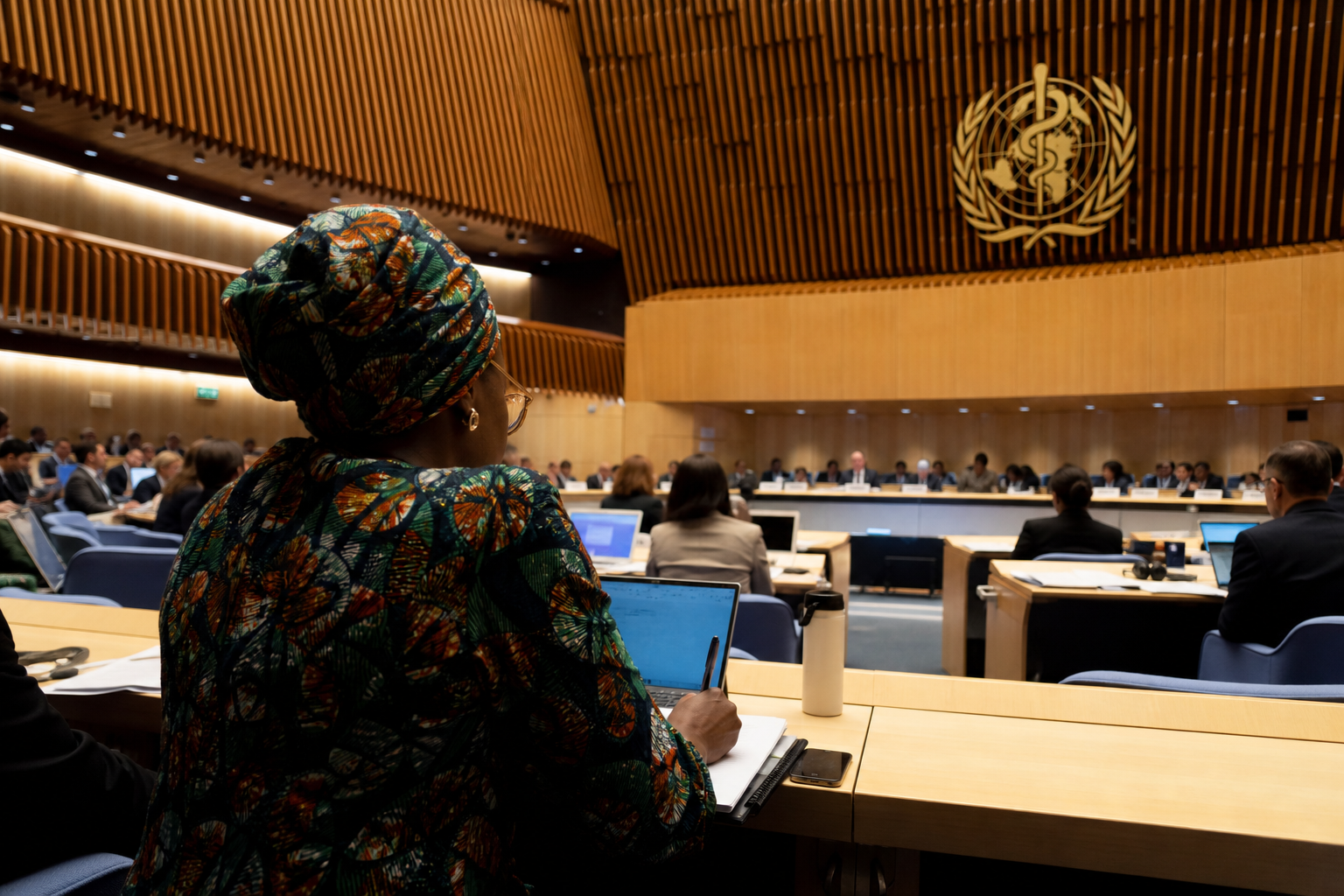
The assessment brings together national authorities and international technical experts to evaluate the country's readiness to prevent, detect, and respond to public health emergencies.
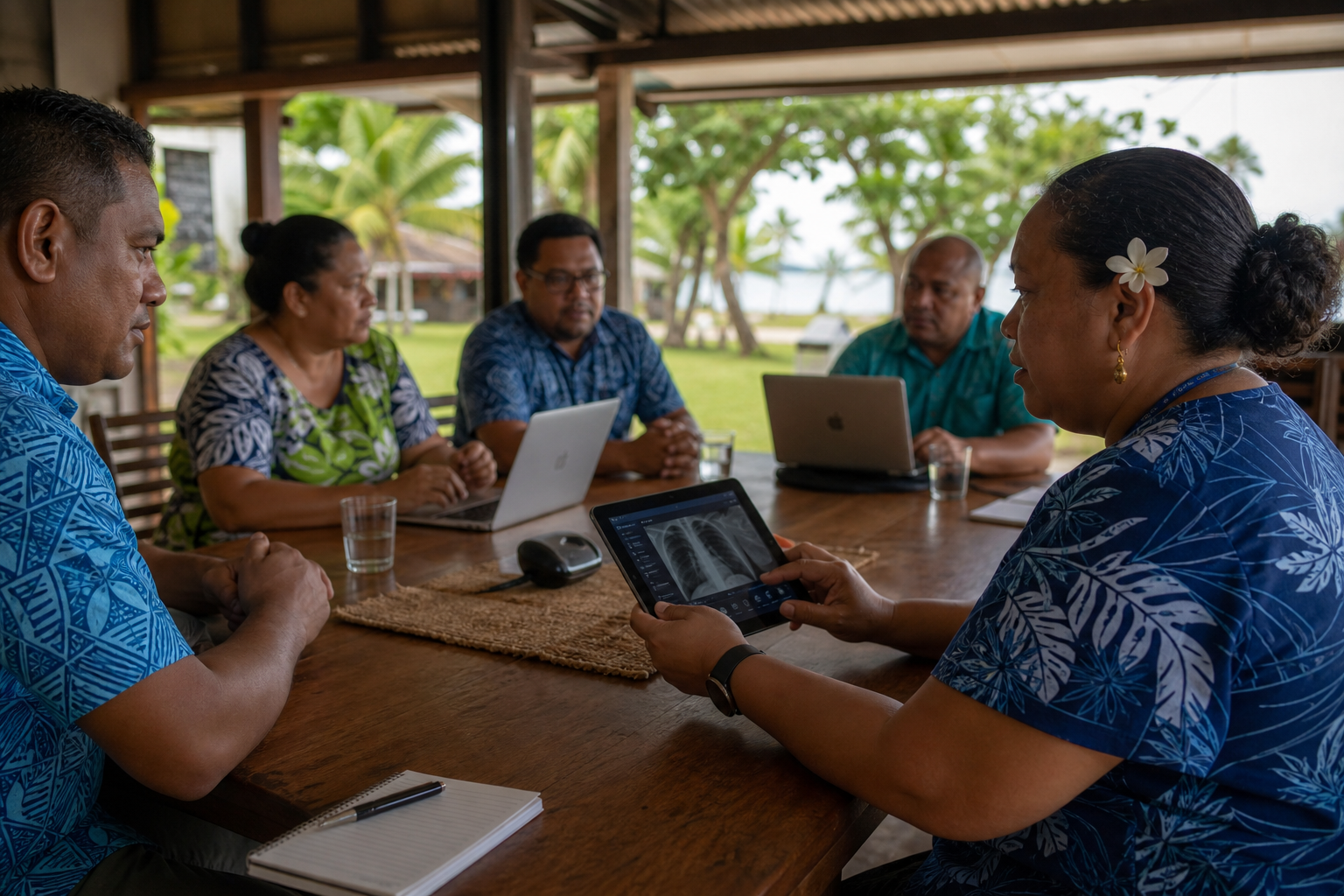
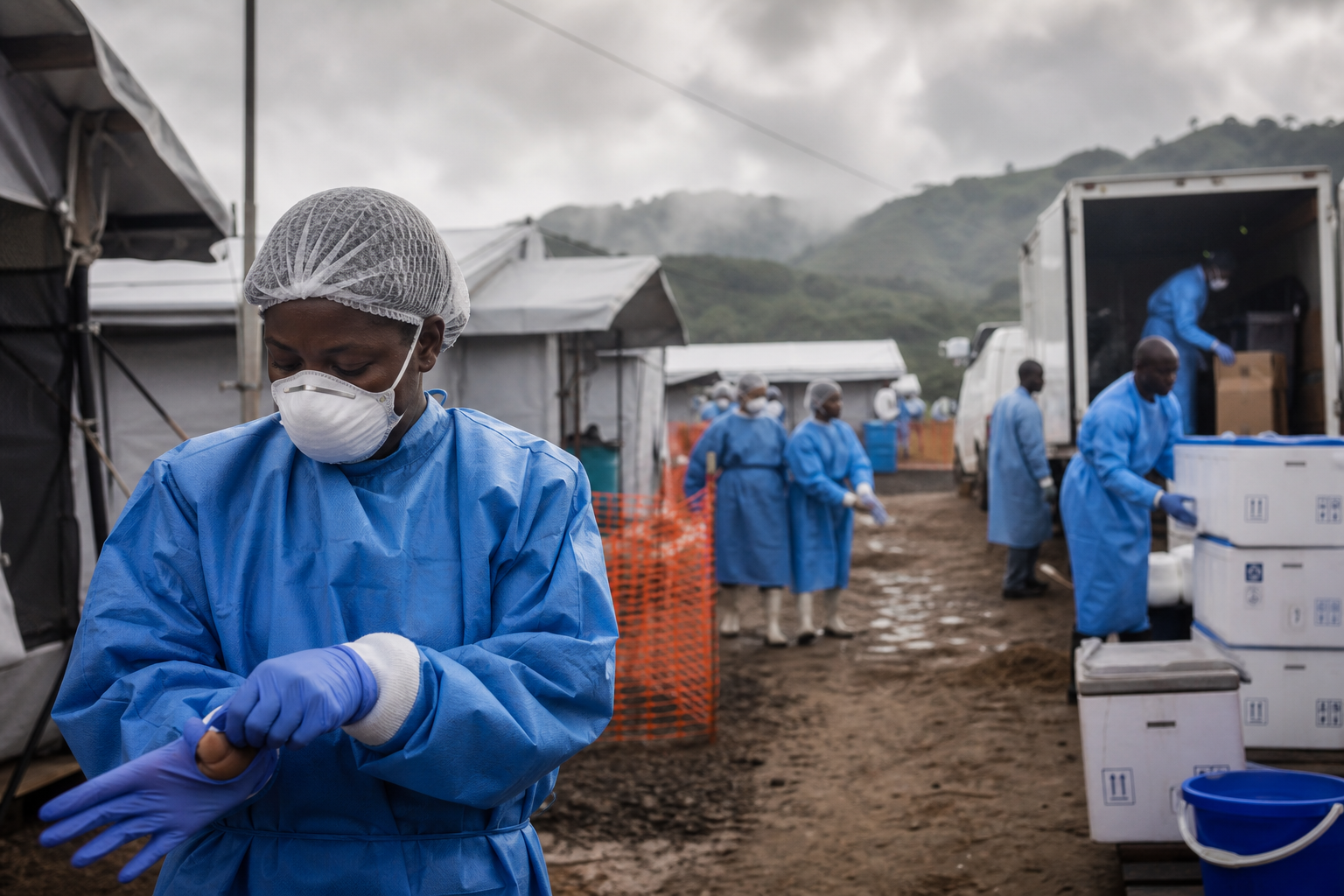
The evaluation process relies on multi-sectoral collaboration to assess national systems spanning disease surveillance, laboratory diagnostics, emergency response, and border health controls.
What Is Evaluated?
The Joint External Evaluation uses a standardised assessment tool to measure national capacities across 19 technical areas required by international health agreements.
National officials complete a self-assessment before presenting operational evidence to an external team composed of international peer reviewers.
The joint team reviews national policies, operational guidelines, and recent outbreak response efforts to assign baseline scores for each capability.
Why Assess Infrastructure?
The evaluation identifies specific gaps in public health systems to help governments prioritize investments and allocate resources effectively.
Independent assessments assist national health authorities in securing targeted technical support and external funding from international partners.
The final report provides a published baseline that allows the country to measure future improvements in its health security framework.
What Happens Next?
Following the conclusion of the evaluation, Papua New Guinea will receive a detailed report outlining national strengths and priority actions.
The findings will inform the development of a national action plan for health security to address identified vulnerabilities.
Government agencies and international partners will use the final recommendations to guide long-term public health investments.