Beyond the Prescription: How Market Dynamics Drive Antibiotic Misuse in Africa
Systemic supply chain incentives and informal market dynamics are shaping antimicrobial access and misuse across Sub-Saharan Africa, highlighting the financial pressures behind medicine distribution.
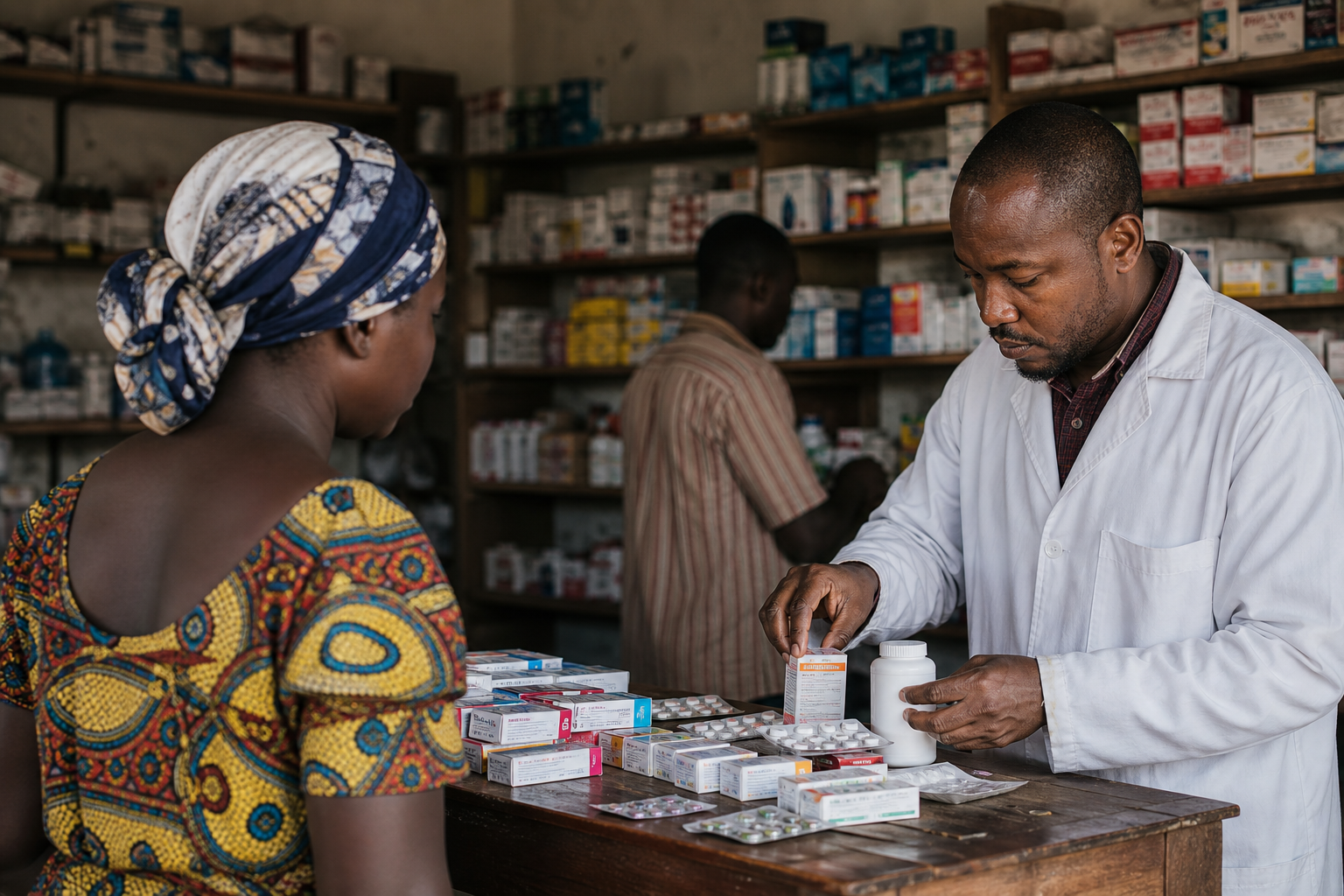
In informal drug markets and formal health systems across Sub-Saharan Africa, the widespread use of antimicrobial drugs is driven as much by economic structures as by clinical decisions. While public health messaging often focuses on patient compliance, health economists and systems analysts point to supply chain incentives, wholesale credit terms, and informal retail distribution networks as the primary factors shaping how medicines are dispensed.
The management of pharmaceutical supply chains across the continent determines how critical therapeutics move from manufacturers to patients. Within these systems, financial structures frequently reward the rapid turnover of inventory, including broad-spectrum antibiotics, over targeted diagnostic practices.
How do market incentives work?
In many African healthcare markets, private pharmacies and community drug vendors serve as the primary point of care for common illnesses. These commercial outlets operate within commercial supply lines that rely on high sales volumes to offset thin operating margins.
Distributors often offer extended credit terms to retailers for fast-moving inventory. Because broad-spectrum antibiotics generate consistent turnover, private vendors are financially incentivised to stock and dispense them without requiring formal laboratory confirmation or official prescriptions.
When diagnostic infrastructure is absent or unaffordable, empirical treatment becomes the default commercial strategy. For small-scale retailers, holding stock that requires slow diagnostic procedures increases overhead costs and risks inventory expiration.
The structure of wholesale procurement also affects pricing dynamics. Bulk purchasing mechanisms organised by international funding bodies, such as the Global Fund, help lower unit costs for essential treatments like antimalarials and antiretrovirals in public facilities. However, general antimicrobial supply chains outside these specialized programmes remain fragmented, leaving private sector pricing subject to market speculation.
What role does regulation play?
Regulatory oversight of pharmaceutical distribution faces structural constraints across the region. National medicine regulatory authorities are tasked with monitoring both formal import channels and informal market stalls, but enforcement resources are often limited.
In public sector facilities, stockouts of basic diagnostic reagents and first-line medicines frequently force patients into the private retail market.
When public clinics lack inventory, patients purchase medicines from unmonitored private vendors. In these settings, financial capacity rather than medical evaluation dictates the dosage and duration of treatment, with patients often buying partial courses of antibiotics based on what they can afford.
M360 News · At a glance
PHARMACEUTICAL SUPPLY CHAIN DYNAMICS
MANUFACTURER / IMPORTER
- └─► Bulk supply driven by volume rebates and commercial credit
- WHOLESALE DISTRIBUTORS
- └─► Short-term credit extended to retailers for fast-moving stock
- RETAIL PHARMACIES & INFORMAL VENDORS
- └─► Financial pressure to clear stock; diagnostic tools absent
- PATIENT OUT-OF-POCKET EXPENDITURE
- └─► Partial courses purchased based on immediate liquidity
Data compiled by the WHO Regional Office for Africa shows that strengthening regional health data hubs is vital for tracking supply chain bottlenecks and monitoring pharmaceutical distribution patterns across borders. Without real-time tracking of medicine flows, national regulators struggle to detect surplus distributions of critical antimicrobial agents.
Why are human resources critical?
The distribution of qualified healthcare professionals directly influences how pharmaceuticals are prescribed and managed. Shortages of trained clinicians, pharmacists, and laboratory technicians in rural areas leave medical decision-making in the hands of untrained personnel.
Efforts supported by international institutions, as highlighted in reports by UN News, focus on expanding the health workforce to reinforce clinical governance across the continent. Increasing the density of trained health workers allows facilities to establish functional antimicrobial stewardship programmes and limit non-prescription sales.
Where clinical staff are underpaid or facilities are underfunded, the line between medical advice and commercial sales can blur. In some contexts, healthcare providers rely on margins from drug sales to supplement facility operating budgets, creating an internal conflict between stewardship goals and revenue generation.
What changes are next?
Addressing the economic drivers of antimicrobial misuse requires structural interventions across medicine supply chains and national health financing systems. Policy initiatives are increasingly shifting toward centralized procurement models that reduce unit costs for second-line drugs while enforcing stricter controls on wholesale distribution.
Governments and development partners are expanding health insurance coverage to reduce reliance on out-of-pocket spending at informal drug shops. By integrating private pharmacies into national health insurance schemes, regulators can tie reimbursement to verified prescriptions and diagnostic tests.
Strengthening regulatory monitoring at ports of entry, enforcing digital tracking of controlled medicines, and stabilizing public supply chains remain key priority areas. As regional health data systems become more integrated, tracking pharmaceutical flows from importer to patient will be central to protecting the efficacy of global antimicrobial treatments.