Beyond Pitch and Podium: How Kenyan Schools Build Dual Success
IN BRIEF
Managing high-stakes football tournaments alongside national music competitions requires institutional strategy, discipline, and resource allocation. A look at how secondary schools are breaking traditional silos to nurture multi-talented student athletes.
Read on for the full picture
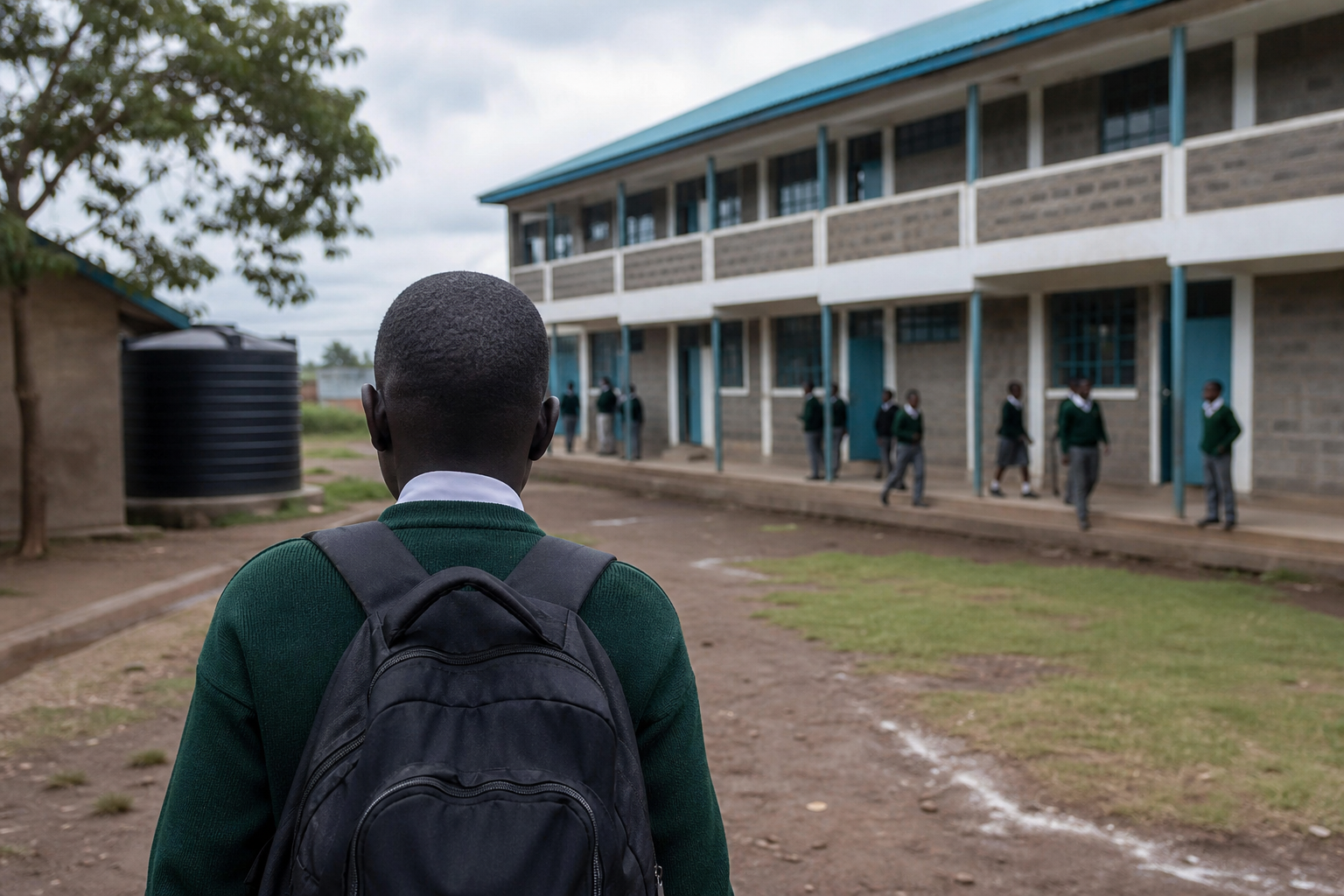
The traditional boundaries of high school co-curricular activities are shifting as Kenyan secondary institutions reconsider how they nurture talent.
For decades, school performance outside the classroom was divided into rigid silos, with students generally expected to specialise exclusively in either sports or the creative arts.
That conventional division is now being challenged by institutions seeking to cultivate multi-talented learners. Balancing high-stakes athletic competition alongside the artistic discipline required for national cultural events demands significant institutional planning, dedicated coaching, and flexible scheduling.
This dual focus reflects a broader conversation across Kenya's education sector regarding holistic development. The capability of a single student body to excel across completely different disciplines highlights how structured co-curricular programmes can foster resilience, adaptability, and leadership beyond traditional academic metrics.
What Drives Dual Excellence?
Achieving success in both creative arts and competitive athletics requires an infrastructure that supports diverse talents simultaneously. School administration plays a central role in allocating physical facilities, hiring specialised instructors, and managing training schedules that do not conflict with core academic learning.
The discipline required for choral music or instrumental performance often complements the focus needed on the sports field. Music education emphasizes pitch precision, group harmony, tempo control, and collaborative execution, traits that directly translate into team coordination and tactical focus in collective sports.
How Do Schools Manage?
Coaching staff and patrons face the complex challenge of managing the time and physical energy of young participants. High school students participating in regional football tournaments undergo intensive physical conditioning, tactical drills, and travel, while music festival participants endure rigorous vocal coaching and rehearsals.
To sustain success across both fields, institutions often implement structured support systems:
- Synchronised training schedules that prevent physical overexertion.
- Academic monitoring to ensure co-curricular participation does not hinder classroom performance.
- Dedicated mentorship from teachers and patron coaches to manage performance pressure.
- Balanced nutritional and recovery support for students competing in multiple disciplines.
The investment required to sustain these dual tracks can be substantial. Schools must budget for musical instruments, traditional performance attire, travel logistics for regional and national venues, as well as sports kits, training equipment, and tournament entry fees.
Why Does It Matter?
The emphasis on multi-disciplinary achievement aligns closely with ongoing educational reforms in Kenya, particularly the Competency-Based Curriculum (CBC), which prioritises identifying and nurturing individual pathways in sports, arts, and academics.
Beyond school trophies, multi-talented student athletes gain broad exposure that can open pathways to university scholarships, career opportunities in the creative economy, and professional sports recruitment. Exposure to national platforms builds confidence and self-discipline that serve students long after leaving secondary school.
Furthermore, dynamic co-curricular programmes foster strong institutional pride and community support. Local leaders, including regional authorities such as Governor Barchok, frequently highlight the importance of youth sports and cultural investments in fostering regional development and constructive engagement.
What Happens Next?
As national co-curricular calendars progress, secondary schools across the country are expected to further integrate their arts and sports departments rather than treating them as competing interests.
Education stakeholders are advocating for increased funding to support school-level infrastructure for both creative arts and athletics. The goal is to ensure that talented learners are not forced to choose between the stage and the pitch, but are instead provided with the platform to excel in both.