Beyond the Evidence: Why Cold Cases Remain Trapped in Legal Limbo
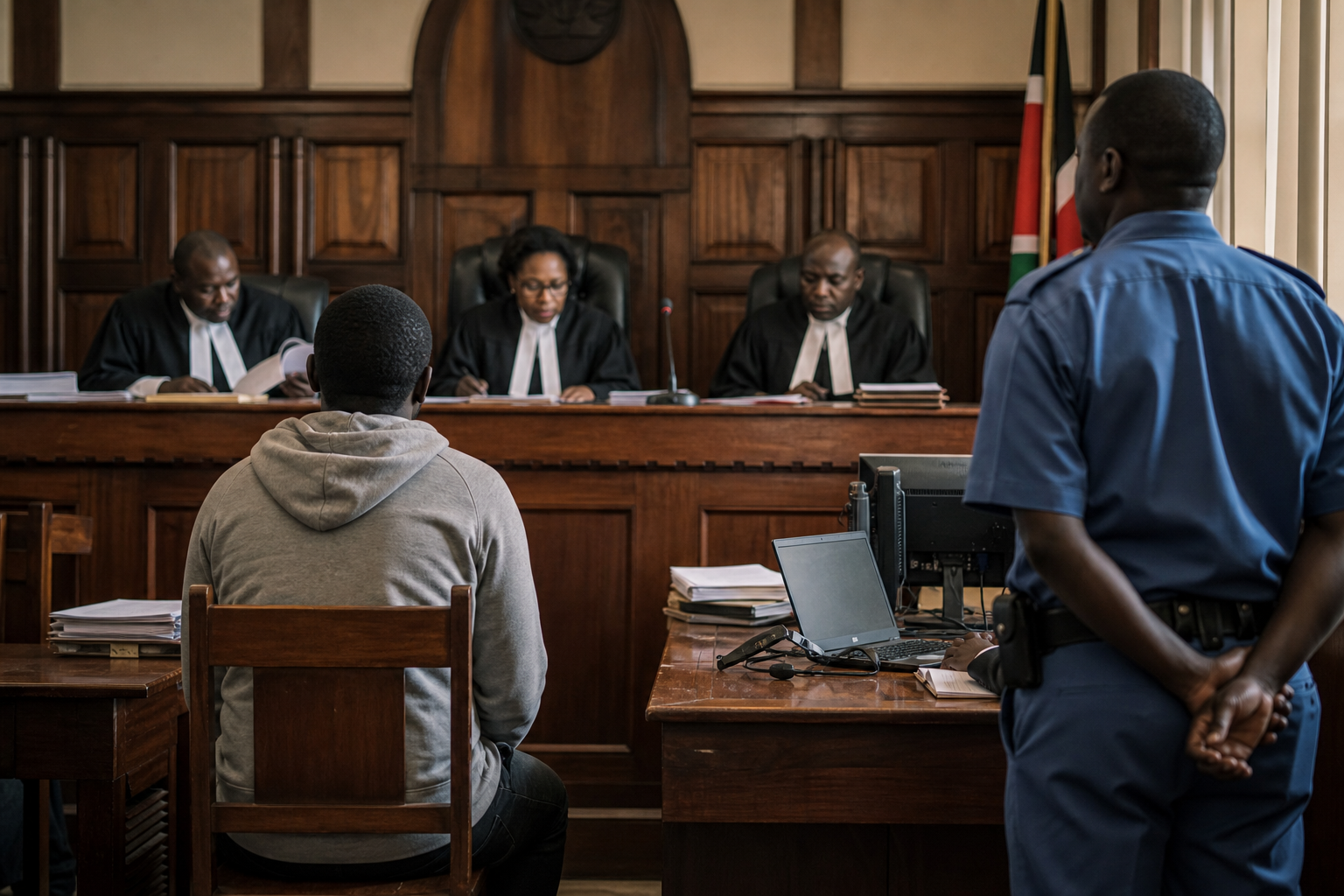
Modern forensic science can extract DNA from decades-old evidence, yet historic criminal cases continuously stall before reaching a courtroom trial. Procedural technicalities, degraded chain-of-custody records, and strict legal standards mean that advanced technology alone cannot overcome the passage of time.
The passage of time often promises clarity in unsolved criminal investigations, particularly as advancements in DNA matching, digital forensics, and ballistic tracking transform modern policing. Yet across jurisdictions worldwide, hundreds of historic murder files remain open without ever reaching a courtroom trial.
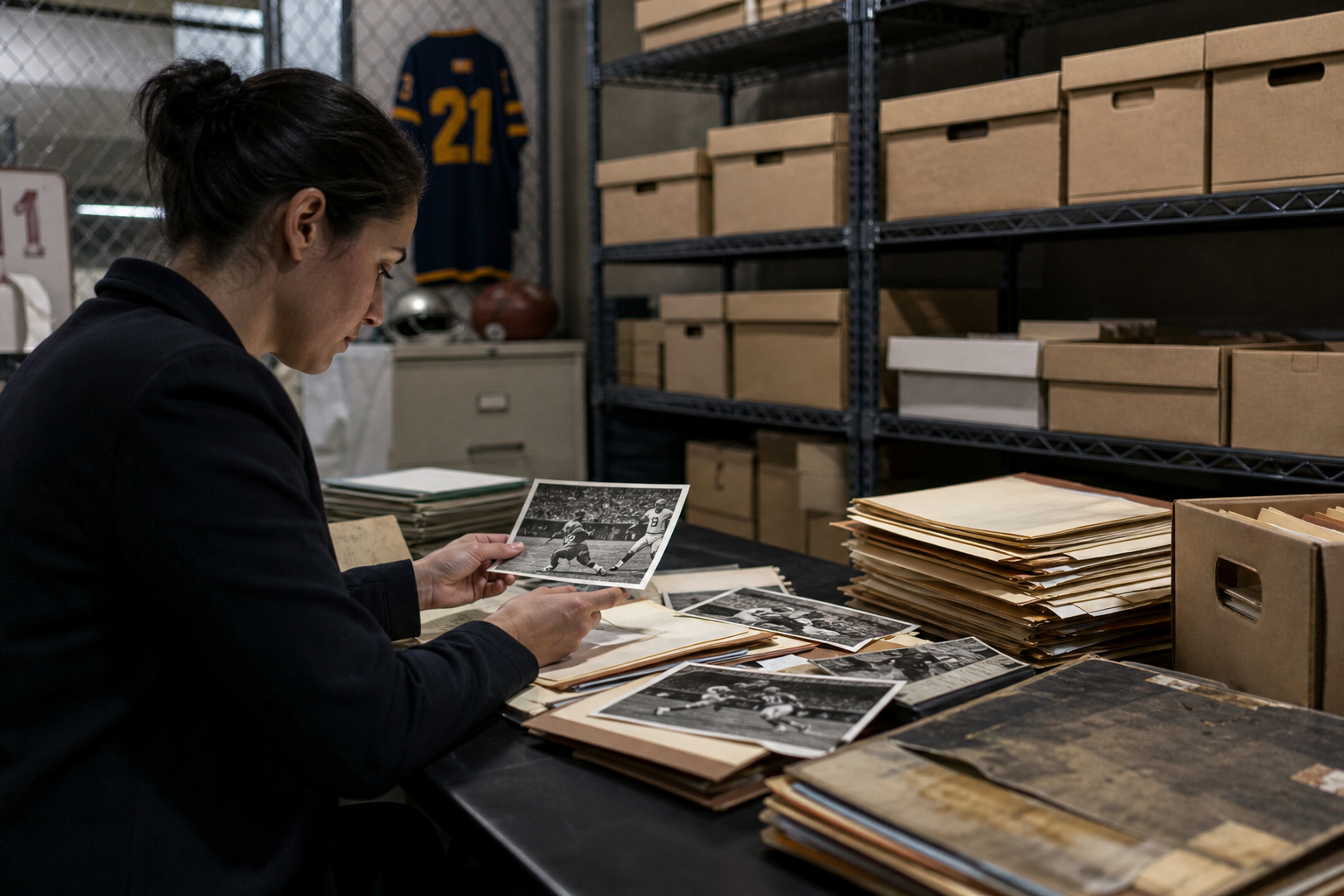
Modern forensic tools have made it easier to extract genetic profiles from decades-old evidence, but technical breakthroughs do not automatically guarantee a successful prosecution. Legal systems demand that evidence meet strict procedural standards, requiring investigators to establish an unbroken chain of custody from the moment an item is collected at a scene.
When physical evidence collected in the 1980s or 1990s has been improperly stored, mislabelled, or handled by multiple individuals without meticulous record-keeping, courts often rule it inadmissible. As a result, even a clear DNA match can prove legally unusable if defense lawyers successfully challenge how the sample was preserved over time.
Why Do Confessions Fail?
A major procedural hurdle in long-standing cold cases involves the reliability and legal weight of out-of-court admissions. Statements or self-incriminatory claims made years after a crime frequently prove legally unviable, as investigators face immense difficulty corroborating details that only the actual perpetrator would know.
In historical homicide inquiries, individuals may offer claims or self-reported admissions due to a desire for notoriety, mental health struggles, or attempts to secure plea bargains in unrelated matters. Detectives evaluating historical homicide inquiries must treat uncorroborated admissions with extreme caution. A prime example of these evidentiary challenges surfaced when a detective noted that a suspect's murder confession regarding the 1996 killing of hip-hop star Tupac Shakur remained unverifiable under rigorous investigative standards.
Without physical evidence, verifiable timeline details, or independent eyewitness testimony to support an out-of-court statement, prosecutors cannot meet the standard of proof beyond a reasonable doubt. Consequently, a public statement or confession alone rarely results in a successful prosecution unless accompanied by fresh, verifiable material facts.
How Time Erodes Proof?
The natural erosion of evidence over several decades poses a severe threat to cold case prosecutions. Over time, crucial witness memories fade, key witnesses pass away, and original investigating officers retire or die, taking institutional memory with them.
In criminal proceedings, defense attorneys maintain the right to cross-examine accusers and test the reliability of testimony. If primary witnesses are no longer available to testify, recorded statements from decades prior are often excluded as hearsay, leaving prosecutors with critical gaps in their case framework.
Legal systems also impose procedural safeguards, such as constitutional protections against unreasonable delay, to prevent unfair trials. When decades pass between an alleged crime and an indictment, courts scrutinize whether the delay has prejudiced the defense's ability to locate exculpatory evidence or call counter-witnesses.
What Restricts Cold Units?
Law enforcement agencies operate under constant budgetary and resource constraints, forcing administrators to allocate personnel based on immediate public safety needs. Active homicides and ongoing threats receive primary operational focus, while dedicated cold case units frequently run with limited staff and minimal operational funding.
Revisiting a decades-old homicide demands substantial financial investment, requiring specialized lab testing, re-interviewing dozens of individuals scattered across different regions, and digitizing thousands of pages of legacy paper records. Without dedicated funding streams or political backing, major law enforcement bodies are often forced to let old files sit dormant until external factors force a review.
Furthermore, legal thresholds governing search warrants and surveillance remain strict regardless of the age of the case. Investigators cannot simply deploy modern surveillance techniques or seize personal property based on old suspicions; they must still present fresh, probable cause to a magistrate, a threshold that proves exceptionally difficult to cross in cold files.
What Comes Next?
Addressing the backlog of unsolved cases requires systemic reform in how legacy police records and physical evidence are preserved. Forensic repositories are increasingly moving toward centralized digital tracking systems to ensure that chain-of-custody documentation remains intact across generations of investigators.
Legislative bodies in several jurisdictions are also reviewing evidentiary rules surrounding historical cold cases, exploring ways to allow advanced technological findings into court while upholding fair trial guarantees for defendants.
Until police departments combine cutting-edge technology with rigorous evidence management and dedicated funding, many historic investigations will remain stalled. The ultimate resolution of long-standing cold cases relies less on dramatic technological breakthroughs and far more on the methodical, unglamorous work of establishing airtight legal proof.