Beyond the Pour: How Entertainment Zones Reconfigure City Economic Planning
Municipalities are increasingly deploying designated entertainment zones to restructure urban commercial corridors, using flexible planning policies to concentrate foot traffic and drive economic recovery within defined city boundaries.
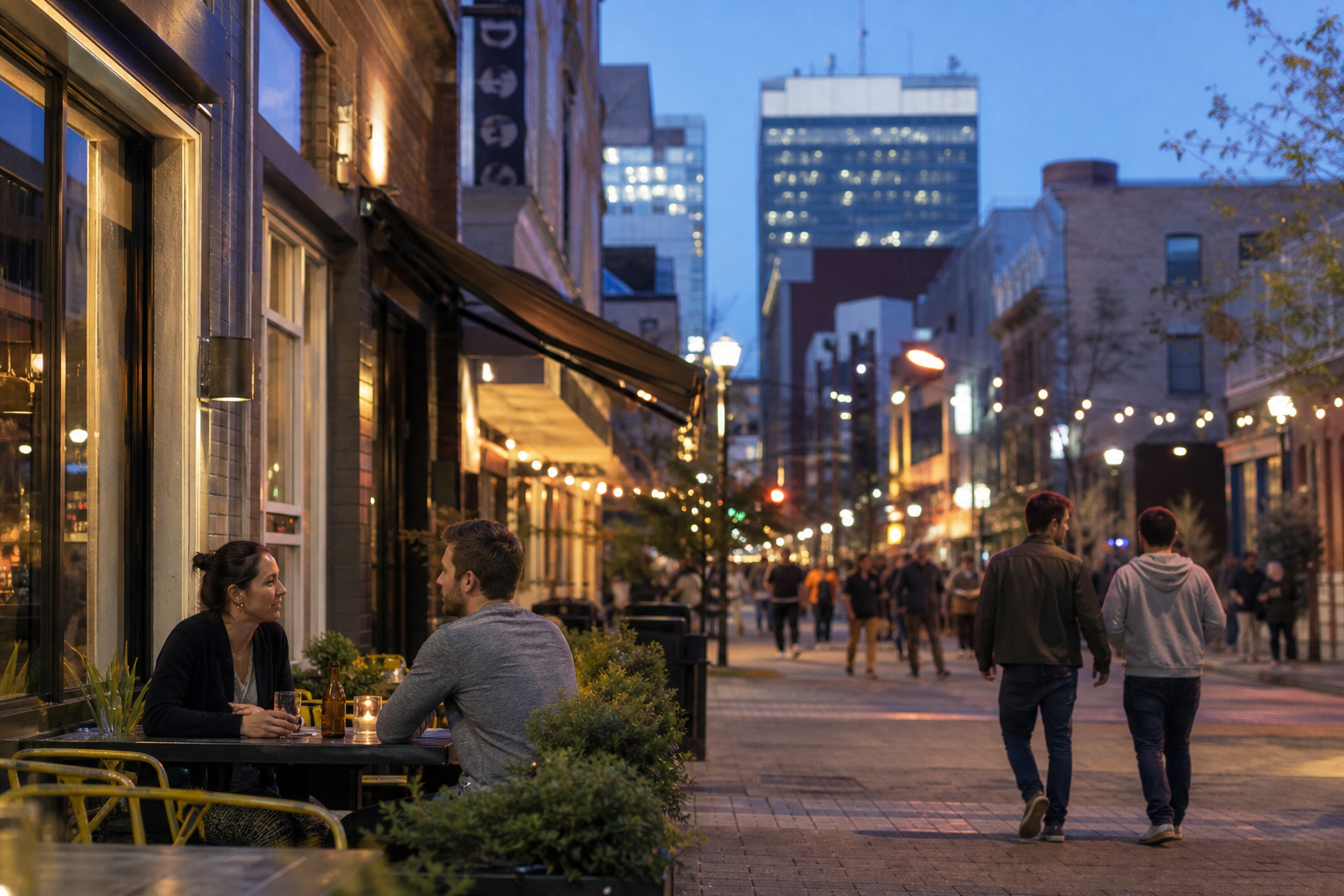
Municipal authorities are increasingly turning to dedicated district designations to revitalise urban commercial corridors, relying on flexible land-use policies to stimulate local commerce. (Cbsnews)
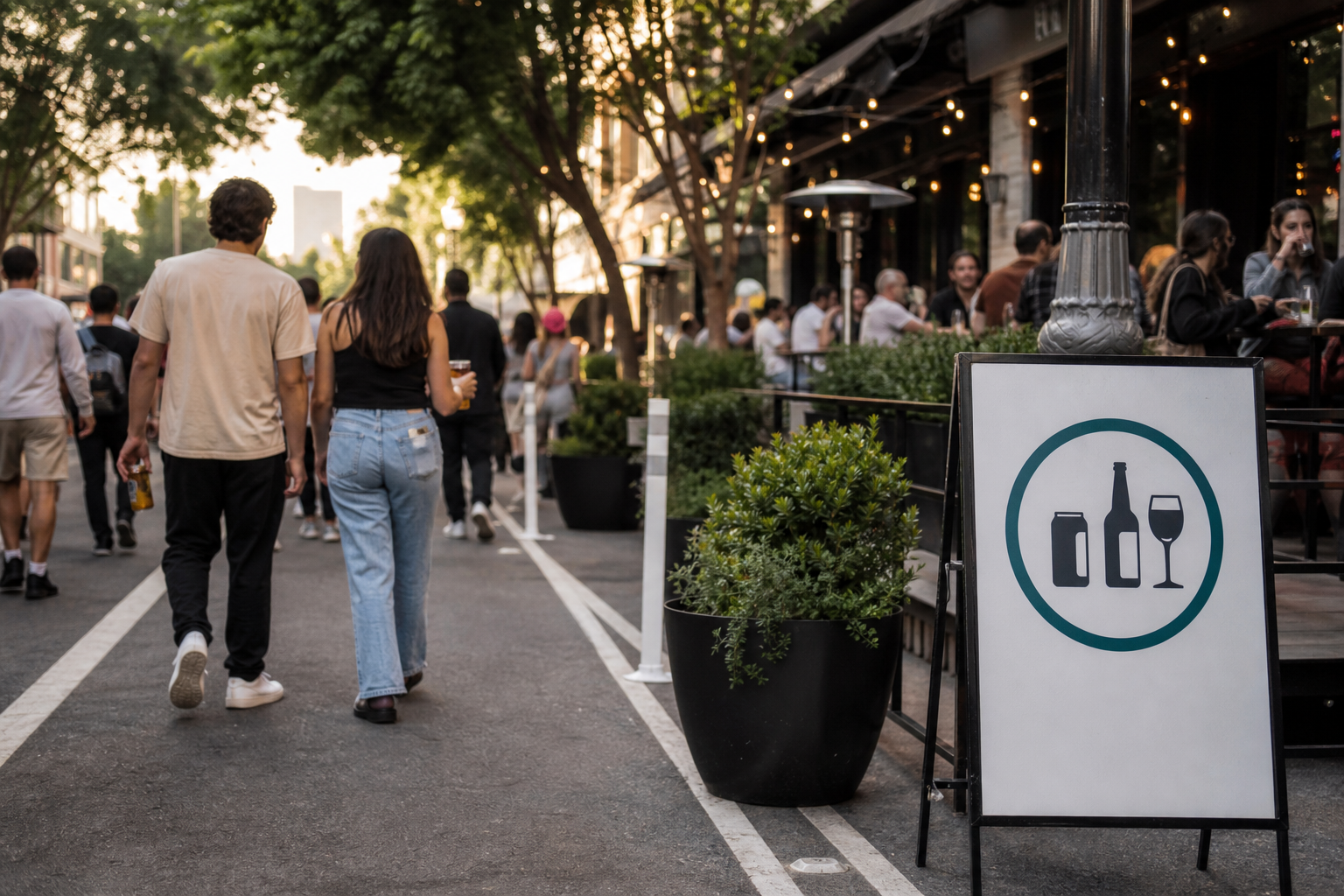
These regulatory frameworks, often structured as "Entertainment Zones," allow cities to modify standard public consumption laws within clearly demarcated geographical boundaries. By easing traditional restrictions during designated outdoor events, municipal planners aim to increase foot traffic, boost hospitality revenues, and create structured environments for local business growth.
How Do These Zones Work?
An entertainment zone operates as a defined geographic boundary where specific public space regulations are temporarily or permanently adjusted. Within these boundaries, local authorities grant special permissions to licensed establishments, permitting patrons to consume food and beverages in designated outdoor public areas.
Rather than altering city-wide legislation, municipalities use these targeted zones to concentrate economic activity. Local governments typically enforce distinct operational hours, perimeter controls, and security measures within the zones to maintain public order while encouraging commercial engagement.
By creating distinct spatial boundaries, city administrators can test flexible regulatory models without applying broad changes to entire residential or commercial districts.
Why Use Spatial Planning?
Urban planners use targeted zoning mechanisms to address declining foot traffic in commercial centres. Concentrating entertainment activities within specific districts enables municipalities to streamline infrastructure support, such as public sanitation, transit access, and security allocation.
For local businesses, designated zones offer a model for shared commercial benefit. Restaurants, venues, and retail shops within the perimeter benefit from collective foot traffic generated by district-wide events, reducing individual marketing burdens for small enterprises.
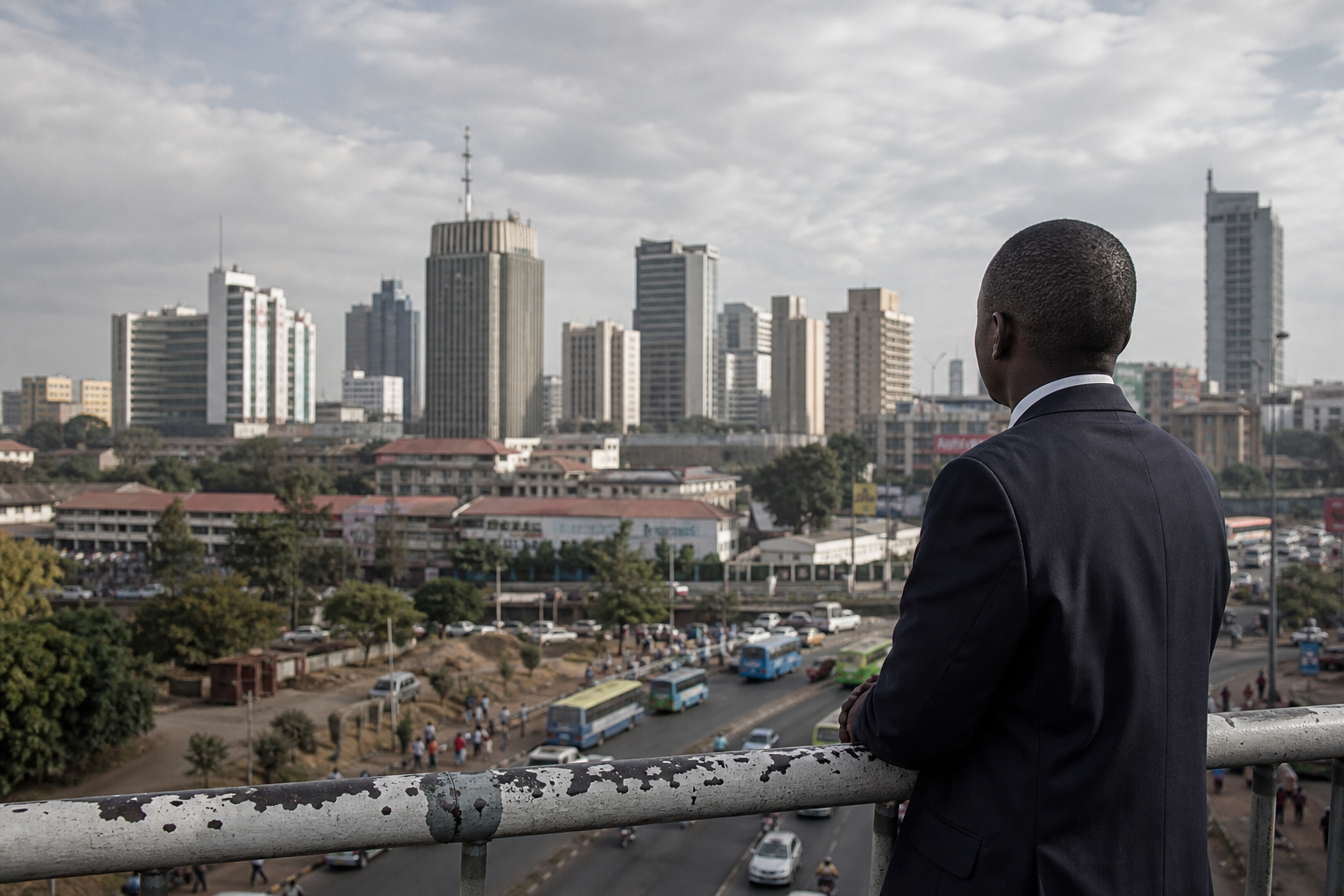
Municipalities also view these zones as a mechanism for downtown economic recovery. By encouraging outdoor social spaces, local councils aim to retain hospitality spending within city boundaries rather than losing consumer activity to suburban commercial centres.
What Are The Risks?
The implementation of flexible commercial districts requires a balance between economic incentives and municipal oversight. City councils must address potential challenges, including noise control, public safety management, and waste collection inside high-density zones.
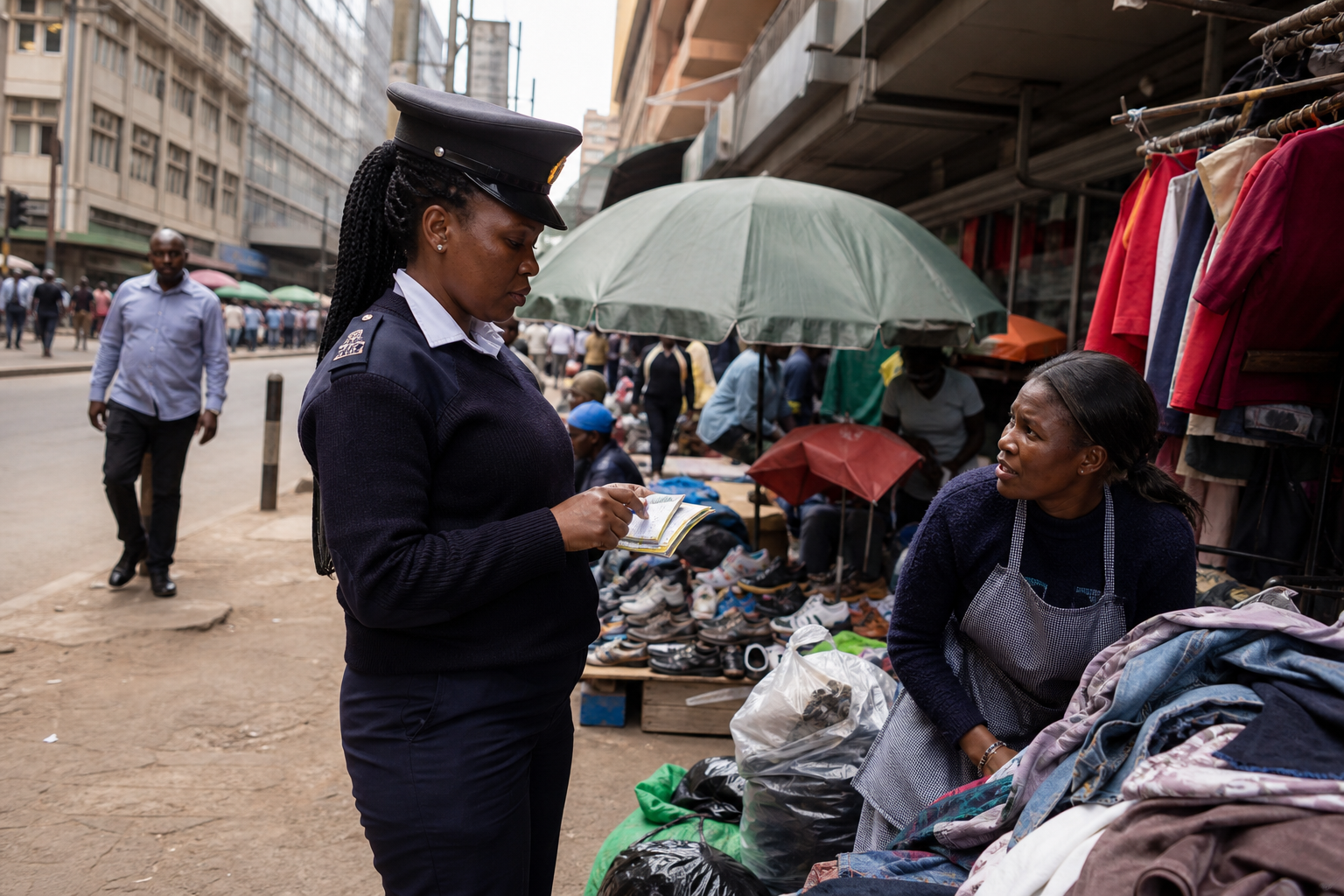
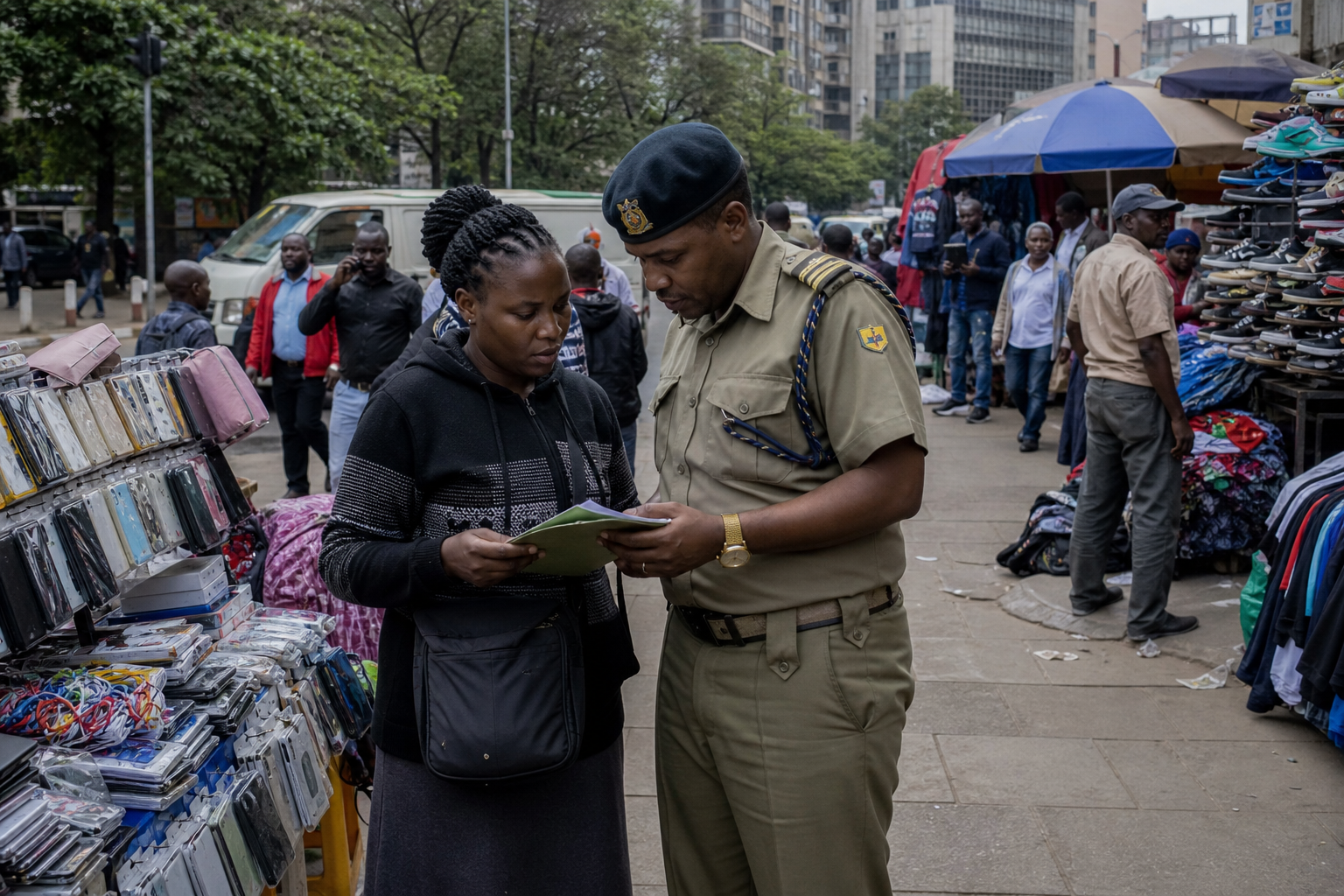
Opponents of expanding public consumption boundaries often raise concerns regarding local community disruption and the costs associated with heightened police monitoring. As a result, municipal frameworks usually incorporate strict compliance requirements for participating businesses.
City managers frequently utilize pilot programmes to monitor the impact of these zones before approving permanent legislation. Licensing fees and special district assessments are often used to offset the additional municipal services required to maintain the designated areas.
What Happens Next?
Municipal councils considering the expansion of entertainment zones will continue evaluating impact assessments from existing pilot areas. Local lawmakers are scheduled to review regulatory proposals, balance feedback from resident associations, and assess economic data from participating business owners.
If approved, the expanded zoning frameworks will establish updated operational guidelines for urban commercial spaces, serving as a model for other municipalities evaluating similar commercial strategies.
M360 News will continue to track developments in urban policy and municipal regulation.