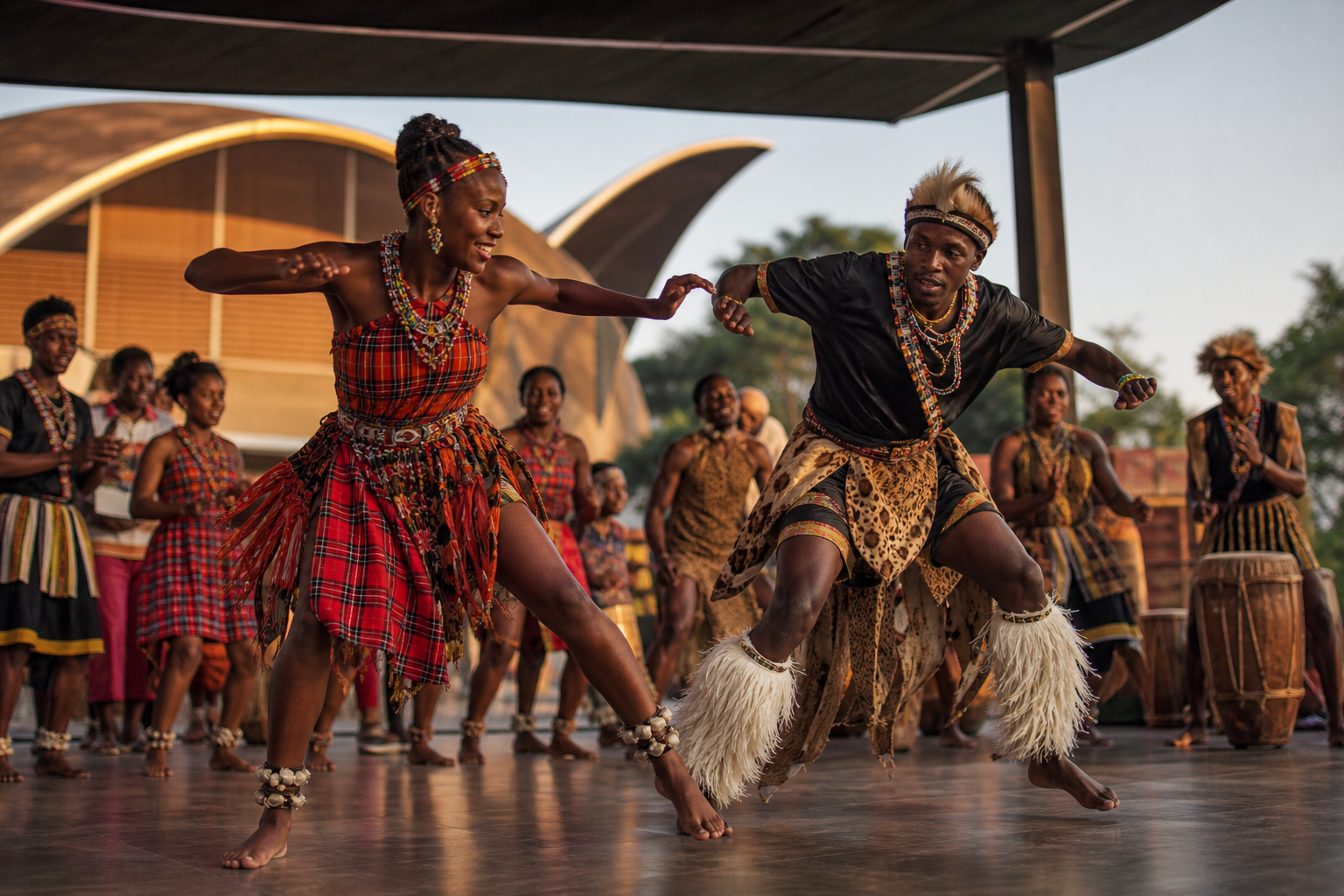
Lost in Translation: Why Precision Is Not Always the Ultimate Goal
When global entertainment travels across borders, literal word-for-word translation often fails. Localization teams must navigate cultural context, technical limits, and regional nuance to keep global audiences engaged.
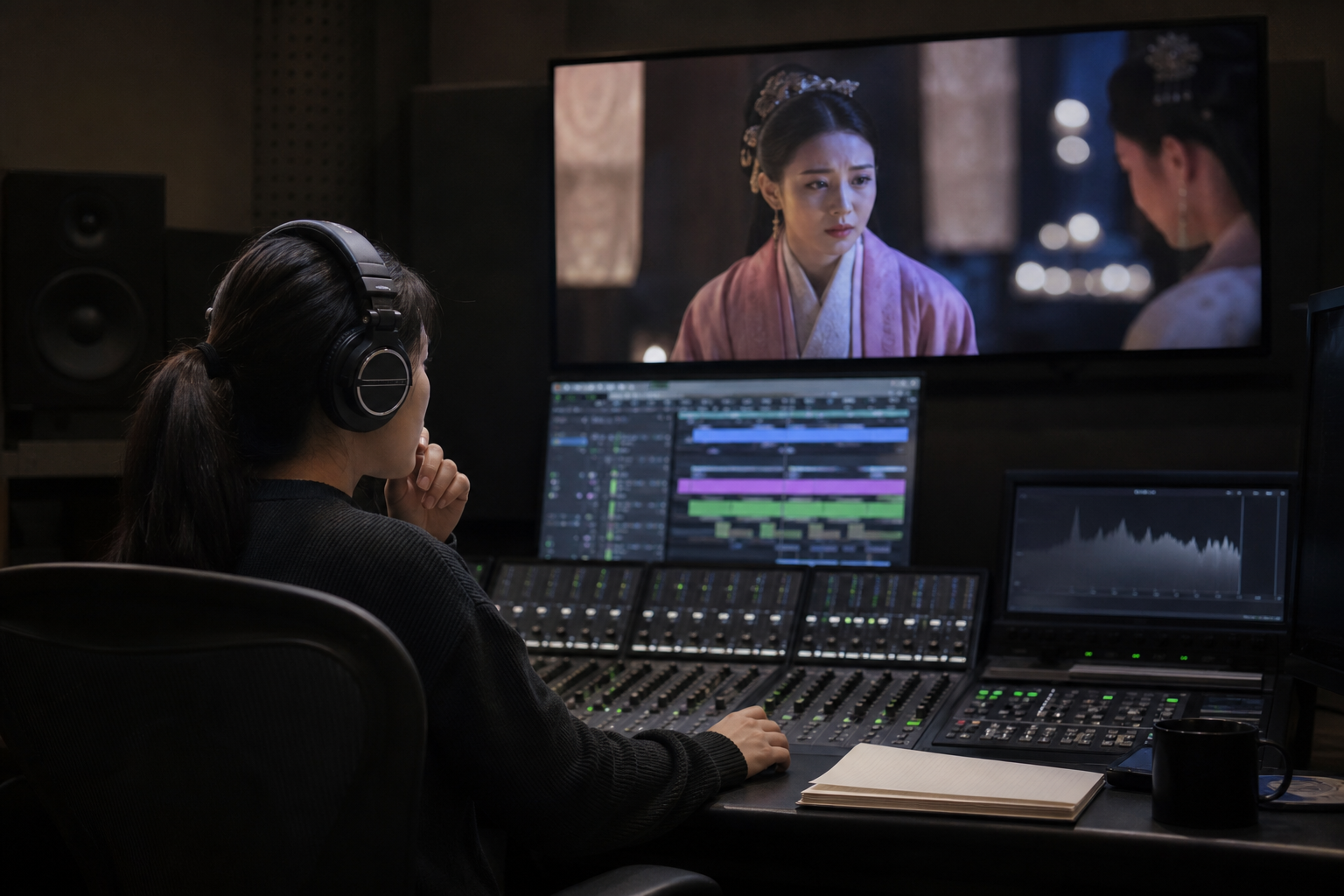
Cross-border storytelling faces a quiet creative dilemma: whether a line-by-line literal translation or a looser adaptation serves audiences better. (Washingtonpost)
As films, streaming series, and video games reach global markets simultaneously, localization teams must choose between word-for-word precision and regional relevance. The tension between literal fidelity and cultural adaptation has emerged as a central challenge in modern global media distribution.
Why Accuracy Fails?
Strict word-for-word translation often misses idiom, humour, and local nuance. What works in one language can sound flat, confusing, or unintentionally offensive in another.
Subtitlers and dubbing scripts must also work within physical constraints, including screen width, reading speeds, and lip-synchronisation timing for spoken audio.
To bridge these gaps, translators rely on dynamic equivalence. This approach prioritises conveying the emotional tone, intent, and narrative impact of a scene over its exact vocabulary.
How Adaptation Works?
In modern entertainment media, localization goes far beyond simple translation. It adapts jokes, cultural references, idiom, and character dialects so local audiences catch every nuance.
Comedic wordplay and local references rarely translate directly. Localization teams rewrite these moments to create equivalent humour that resonates with local viewers without breaking story flow.
Video game localizers, film subtitle editors, and dubbing scriptwriters face distinct technical demands. Screen space limits text length, while voice actors must match character mouth movements on screen.
Who Wins Most?
Media companies benefit when international releases succeed across diverse global markets. A thoughtful adaptation opens new revenue channels and builds international fanbases.
Viewers gain access to foreign series and films through natural phrasing that keeps the plot moving smoothly.
However, purists who prefer exact fidelity to the original text can feel frustrated when iconic lines or subtle cultural details are altered during script adaptation.
What Shifts Ahead?
Artificial intelligence tools and machine-learning models process transcriptions quickly, but human translators remain essential for preserving context, subtext, and humor.
As international streaming services expand across Africa and other emerging markets, the demand for skilled translators who understand local dialects continues to grow.
The balance between precision and narrative clarity will determine how well international stories connect with global audiences.
What Happens Next?
Global entertainment platforms are investing heavily in hybrid localization workflows that combine machine translation drafts with human creative editing.
Industry standards are evolving toward culturally aware adaptation rather than direct word-for-word accuracy.
As streaming networks expand into multilingual regions, media companies will refine these tools to deliver local scripts faster without losing original narrative depth.