Trade War Escalates: U.S. Imposes 50% Tariffs as Canada Vows Equal Retaliation
Trade negotiations between the United States and Canada have collapsed, triggering a major tariff showdown involving billions of dollars in cross-border goods.
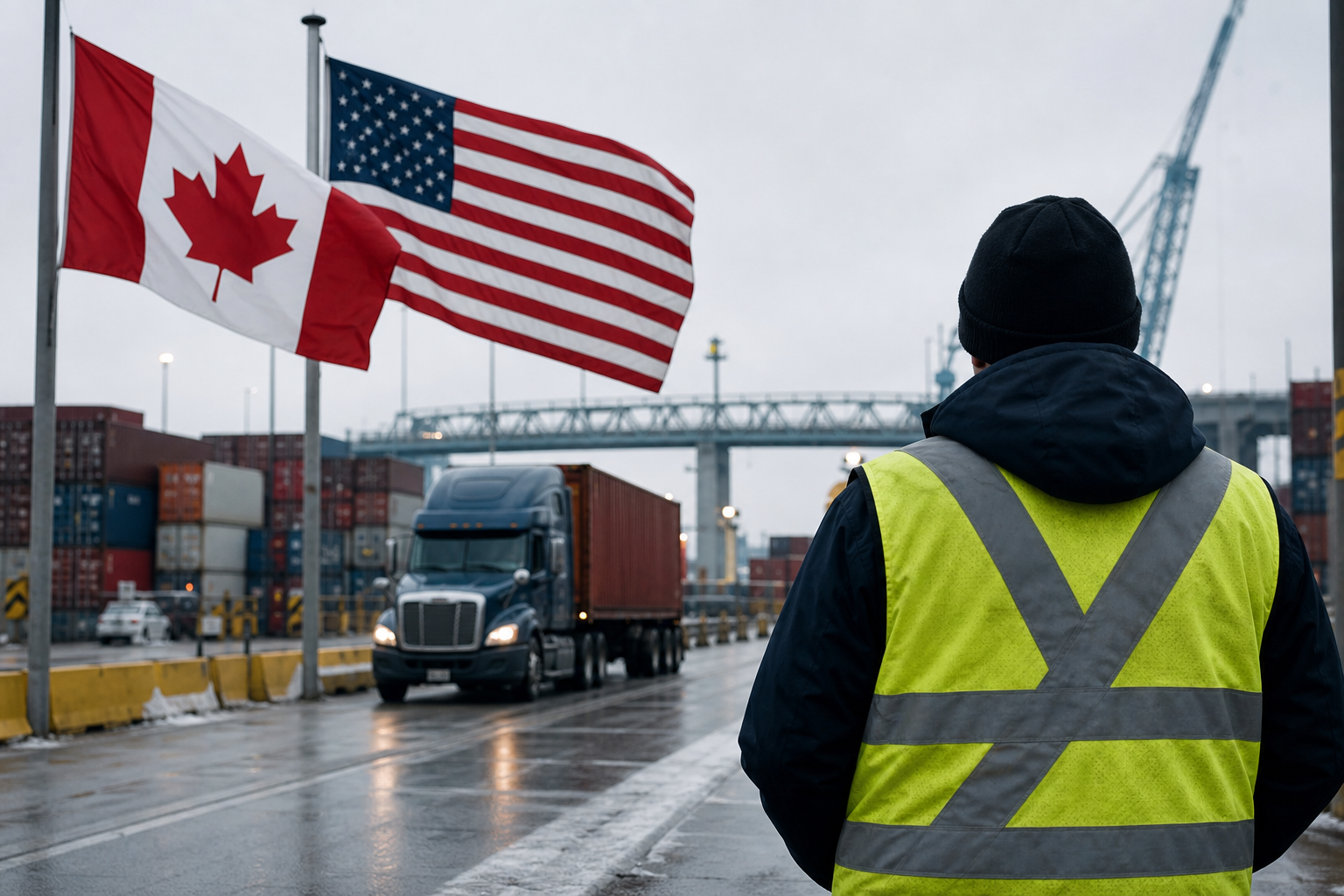
A major diplomatic and trade confrontation has escalated after talks failed between the United States and Canada, leading to immediate retaliatory trade measures.
The U.S. moved to impose 50 per cent tariffs on $20 billion (about KSh 2.59 trillion) worth of Canadian goods, according to reporting published by CBS News. The measures were scheduled to take effect early Saturday after bilateral discussions broke down.
In response, Canadian Prime Minister Mark Carney countered that Canada would match the U.S. tariffs "dollar for dollar," establishing an immediate dollar-for-dollar countermeasure on American exports.
What Happened?
The trade dispute reached a critical point when high-level negotiations between American and Canadian officials concluded without an agreement.
Following the breakdown of talks, the U.S. announced its intention to levy 50 per cent import duties targeting $20 billion (approx. KSh 2.59 trillion) in Canadian products.
Canadian Prime Minister Mark Carney rejected the unilateral trade actions, stating publicly that Canada would retaliate in equal measure to protect its domestic trade interests.
Why It Matters
The implementation of 50 per cent tariffs represents a severe escalation in cross-border commerce between the two North American neighbours.
A matching dollar-for-dollar response by Canada means that billions of dollars in bilateral trade will face substantial duty surcharges, altering trade flows and raising costs for businesses and consumers operating within the trade corridor.
The cross-border economic friction comes amid wider global market tensions and diplomatic realignments.
What Comes Next?
With both nations standing by their respective tariff commitments, commercial sectors on both sides of the border face immediate cost adjustments.
The dispute places direct pressure on cross-border supply chains as the 50 per cent duties take effect. Observers and market participants will be watching for potential emergency diplomatic engagements or further trade countermeasures in the coming days.