Preventing a Crisis: Why Kenya Must Act Proactively on Doping
Kenya's sports authorities are urged to implement proactive measures against doping in athletics to protect clean competitors and preserve the country's global sporting standing.
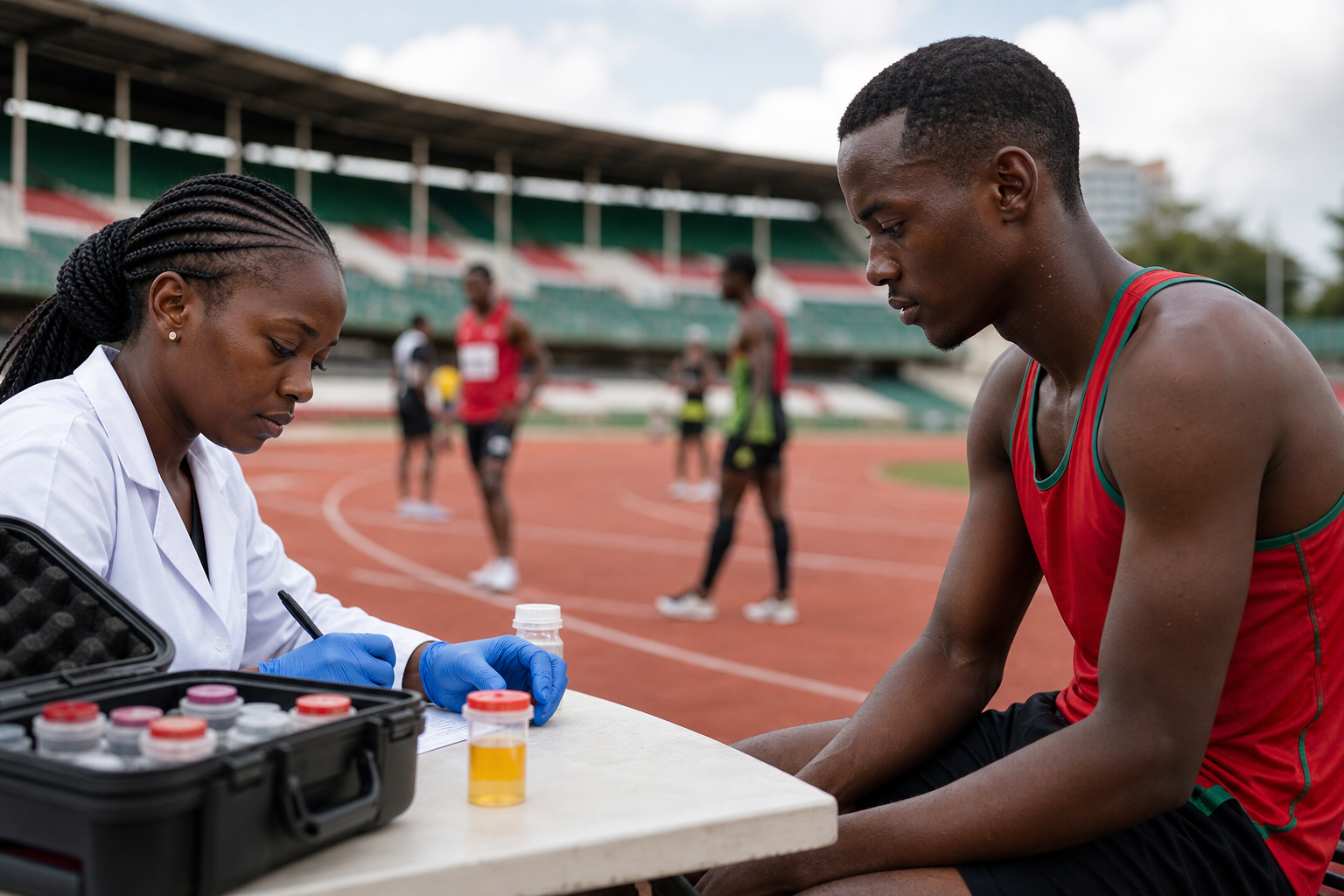
Kenya has earned international acclaim through its middle and long-distance runners, but persistent doping allegations continue to threaten the country’s athletic legacy. Sports administrators and anti-doping stakeholders are urging authorities to implement proactive measures to protect clean athletes before severe global sanctions take effect. (Standardmedia)
The call to action highlights the need for institutional reforms to prevent substance abuse in athletics rather than relying on reactive measures after athletes fail drug tests.
What Is Changing?
Anti-doping advocates emphasize that Kenya cannot afford complacency as international governing bodies enforce stricter compliance measures. Over the past decade, dozens of Kenyan runners have faced suspensions from the Athletics Integrity Unit (AIU) for banned substances, including erythropoietin (EPO), triamcinolone acetonide, and anabolic steroids.
The financial and reputational fallout of these suspensions affects individual athletes, their training camps, and the broader sports economy. While the government committed additional funding to expand out-of-competition testing and intelligence gathering, analysts argue that enforcement must reach rural training centers in North Rift counties such as Nandi, Elgeyo Marakwet, and Uasin Gishu, where vulnerable runners are often targeted by unethical facilitators.
Why Does It Matter?
Doping integrity directly impacts Kenya's standing in global athletics. Extended non-compliance risks placing the country on international watchlists, which could jeopardize national teams participating under the Kenyan flag at major events, including the Olympic Games and the World Athletics Championships.
Clean athletes face immediate consequences when widespread doping taints the credibility of national achievements. Sponsorship agreements, appearance fees, and international race invitations rely on commercial trust, which diminishes when systemic integrity issues persist.
Who Is Affected?
The primary burden falls on young, upcoming athletes who lack access to certified sports science advice and verified medical support. Unscrupulous pharmacists, rogue agents, and unaccredited coaches frequently exploit athletes seeking rapid financial breakthroughs through distance running.
Anti-doping education initiatives led by the Anti-Doping Agency of Kenya (ADAK) aim to bridge this knowledge gap. However, coverage gaps remain in informal training hubs where unapproved supplements and prescription medications circulate without strict medical oversight.
What Happens Next?
Sports authorities face pressure to strengthen regulatory frameworks, enhance testing protocols, and prosecute individuals who supply prohibited substances to athletes.
Stakeholders expect ADAK and Athletics Kenya to increase unannounced out-of-competition tests and collaborate with law enforcement to penalize distribution networks. Protecting Kenya’s athletics legacy requires continuous monitoring, clear policy implementation, and direct engagement with local training communities.